Capturing the Sky: Tips for Photographing Natural Light Phenomena
Capturing the Sky: Tips for Photographing Natural Light Phenomena
Photography enthusiasts and professionals alike often find themselves drawn to the captivating beauty of the sky. Whether it’s the mesmerizing colors of a sunset, the vibrant hues of the aurora borealis, or the dramatic play of clouds, sky photography offers endless opportunities for stunning images. In this article, we’ll share essential photography tips to help you capture these incredible natural light phenomena.
Understanding Natural Light
Before diving into camera settings , it’s crucial to understand how natural light affects your photography. The quality, intensity, and direction of light change throughout the day, impacting how colors and textures appear in your images. Golden hour —the hour after sunrise and before sunset—is renowned for its soft, warm light that enhances landscapes. Conversely, the blue hour, which occurs just before sunrise and after sunset, can produce beautiful, cool tones.
Essential Camera Settings for Sky Photography
To effectively capture the sky’s beauty, mastering your camera settings is vital. Here are some key settings to consider:
- ISO : Start with a low ISO (100-200) to minimize noise, especially if you’re shooting during daylight. If conditions are darker, such as when photographing the aurora, you may need to increase your ISO (800-3200) to maintain a faster shutter speed.
- Aperture : A wider aperture (f/2.8 - f/4) can help in low-light conditions, while a narrower aperture (f/8 - f/16) is ideal for landscape shots during the day to ensure a greater depth of field.
- Shutter Speed : Adjust your shutter speed based on the light conditions. For fast-moving clouds, use a faster shutter speed (1/500s or faster) to freeze the motion. For capturing the aurora, a slower shutter speed (5-30 seconds) will help gather enough light to reveal the phenomenon’s vibrant colors.
Tips for Capturing the Aurora Borealis
Aurora photography is one of the most rewarding forms of sky photography. Here are some tips to help you capture this breathtaking natural light display:
- Plan Ahead : Research aurora forecasts and choose a location with minimal light pollution. Apps and websites dedicated to aurora tracking can be invaluable.
- Use a Tripod : Long exposures are essential for capturing the aurora, and a sturdy tripod will help keep your camera steady.
- Remote Shutter Release : To avoid camera shake, consider using a remote shutter release or the timer function on your camera.
- Experiment with Composition : Include interesting foreground elements like trees or mountains in your shots to add depth and context to your images.
- Focus on Manual Settings : Autofocus can struggle in low light. Switch to manual focus and set your lens to infinity to ensure sharp images of the aurora.
Other Natural Light Phenomena to Explore
While the aurora borealis is spectacular, there are other stunning natural light phenomena worth capturing:
- Sunsets : The vibrant colors can create dramatic skies. Experiment with silhouettes to add interest.
- Sunrises : Early mornings often feature calm, serene landscapes, perfect for peaceful compositions.
- Storms : Storm clouds can produce dramatic lighting and textures, with the possibility of rainbows after the rain.
Conclusion
Capturing the sky and its natural light phenomena can be a thrilling experience for photographers. With the right photography tips , camera settings , and a bit of patience, you can create stunning images that showcase the beauty of our world. Whether you’re exploring aurora photography or simply soaking in a breathtaking sunset, remember to enjoy the moment and let your creativity shine.
!
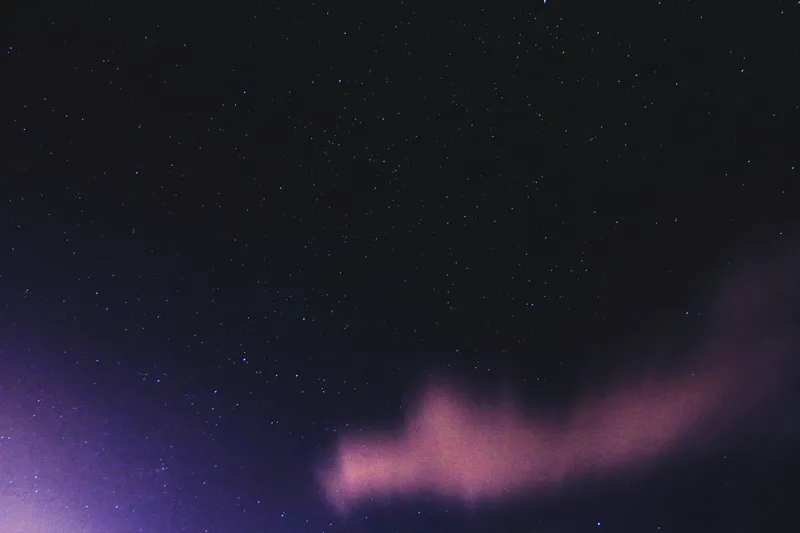
Low angle photography of purple borealis.
Related articles
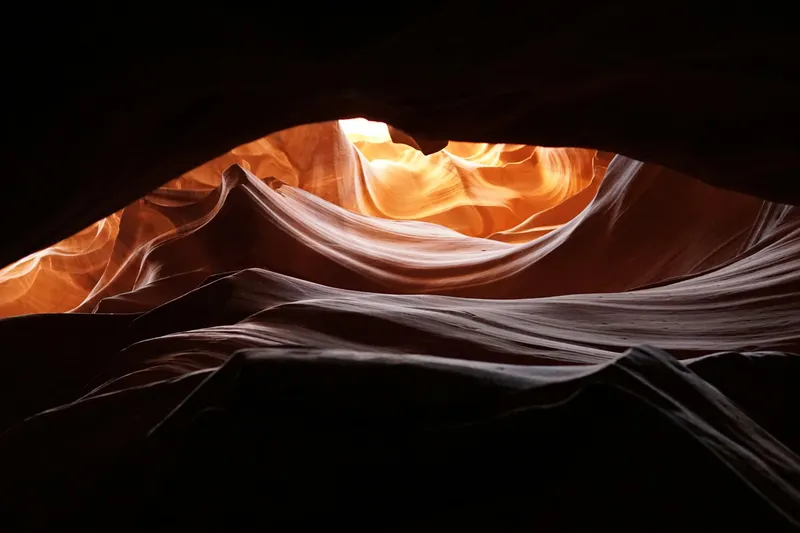
Capturing the Beauty of Antelope Canyon
Antelope Canyon, located in the heart of Arizona, is a captivating natural wonder that has become a must-visit destination for landscape photographers. The interplay of light and shadow within the narrow sandstone walls creates a unique opportunity to capture stunning images. In this article, we will explore essential photography tips to help you make the most of your visit to Antelope Canyon.
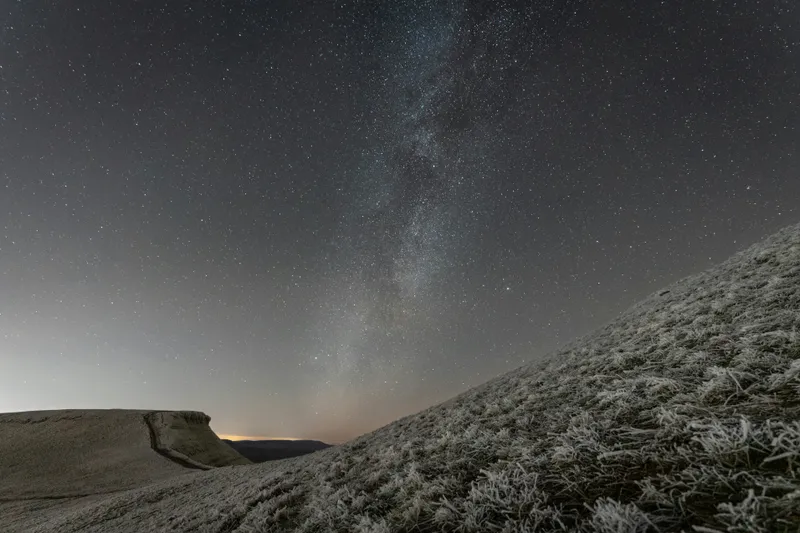
Capturing the Cosmic: Photography Tips for Night Skies and Mountain Landscapes
When it comes to mountain photography and capturing thenight sky, understanding the right techniques and camera settings can make a world of difference. From the majestic peaks that touch the stars to the shimmering galactic core overhead, your landscape will never look the same once you master these essential photography tips.
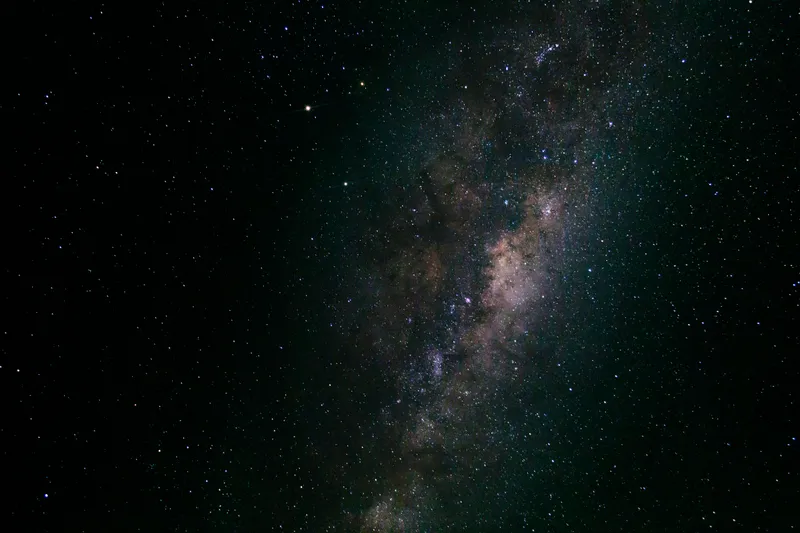
Capturing the Cosmos: Tips for Night Photography of the Milky Way
Night photography is a captivating genre that allows photographers to explore the beauty of the universe, especially the dazzling Milky Way. With the right camera settings and techniques, you can create stunning images of the galaxy during nighttime. This article will provide you with essential photography tips to enhance your night photography skills, as well as how to deal with light pollution that can obstruct your celestial views.
Explore these topics
- photography-tips(133)
- camera-settings(16)