Capturing the Cosmic: Photography Tips for Night Skies and Mountain Landscapes
Capturing the Cosmic: Photography Tips for Night Skies and Mountain Landscapes
When it comes to mountain photography and capturing thenight sky, understanding the right techniques and camera settings can make a world of difference. From the majestic peaks that touch the stars to the shimmering galactic core overhead, your landscape will never look the same once you master these essential photography tips.
Understanding Your Gear
Before diving into the technical aspects of shooting, ensure you have the right photography equipment. A sturdy tripod is essential for stabilizing your camera during long exposures, while a lens with a wide aperture (like f/2.8 or wider) will help capture more light, revealing the beauty of the night sky. Consider using a full-frame camera for better performance in low light conditions.
Best Camera Settings for Night Sky Photography
To effectively photograph the night sky , you’ll need to adjust your camera settings appropriately:
- ISO : Start with an ISO of 1600 or 3200. This will help capture the faint light of stars and other celestial objects without introducing too much noise.
- Aperture : Use a wide aperture (f/2.8 or wider) to allow maximum light to hit the sensor.
- Shutter Speed : Keep your shutter speed between 15 to 30 seconds. For longer exposures, you might start to see star trails unless that is the effect you're aiming for.
Focusing Techniques
Focusing can be tricky in low light. Switch your lens to manual focus and set it to infinity, or use a flashlight to focus on a distant light or star. Once you have your focus set, recompose your shot as needed.
Composition Tips for Mountain Landscapes
When shooting mountain landscapes , composition is key:
- Foreground Interest : Include elements in the foreground to add depth to your photographs. Rocks, trees, or other natural features can help guide the viewer's eye.
- Rule of Thirds : Use the rule of thirds to position the horizon line or peaks. This can create a more balanced and visually appealing image.
- Leading Lines : Utilize paths, rivers, or ridges to draw the viewer’s eye through the frame.
Timing is Everything
The best time to shoot the night sky is during the golden hour —just after sunset or before sunrise—when the light is soft. However, to capture the galactic core , you’ll need to shoot during the darkest parts of the night, often between late spring and early fall, when the core is most visible.
Post-Processing Tips
Editing is a crucial part of the photography process. Use software like Adobe Lightroom or Photoshop to enhance your images:
- Adjust exposure and contrast to bring out the details in both the mountains and the stars.
- Use noise reduction tools to clean up your images, especially if you’ve had to push your ISO higher.
- Consider stacking multiple images to reduce noise and improve clarity in your night sky shots.
Final Thoughts
Capturing the cosmic beauty of mountain landscapes and the night sky can be incredibly rewarding. By applying these photography tips , mastering your camera settings , and embracing post-processing techniques, you'll be well on your way to creating stunning images that showcase the wonder of the universe above. So gear up, head out, and let the stars guide your lens!
Photo Description
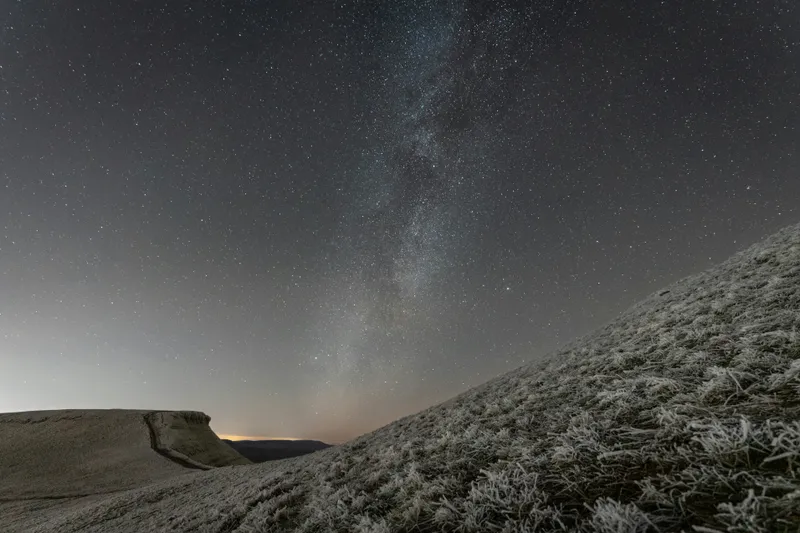
This article’s featured photo captures a breathtaking galaxy aerial scenery , showcasing the ethereal beauty of the night sky over majestic mountain peaks, perfect for inspiring your next photography adventure.
Related articles
Capturing the Milky Way: Tips for Stunning Night Sky Photography
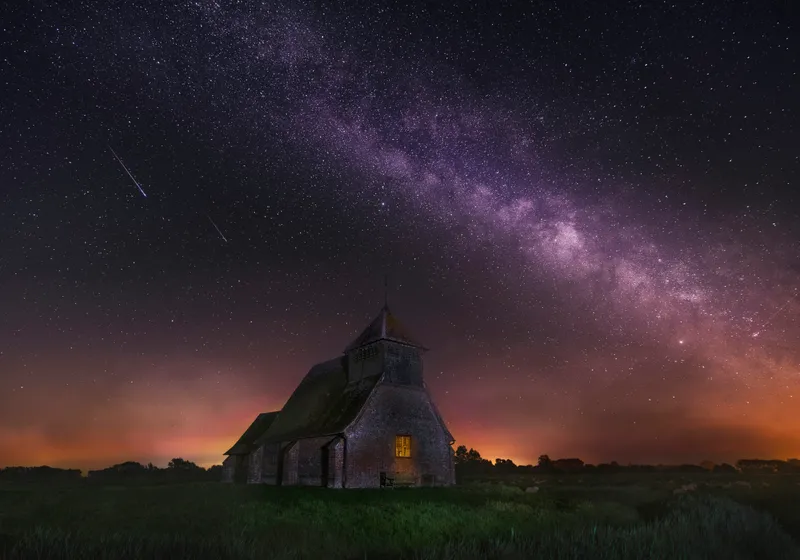
The Milky Way is one of the most breathtaking sights in the night sky, and capturing it through your lens can be a rewarding experience. Whether you're a seasoned photographer or just starting out, these photography tips will help you get the most out of your Milky Way photography endeavors. Here’s how to prepare your gear, set your camera, and create stunning images of the cosmos.
Capturing the Beauty of Alpine Mountains: A Photographer's Guide
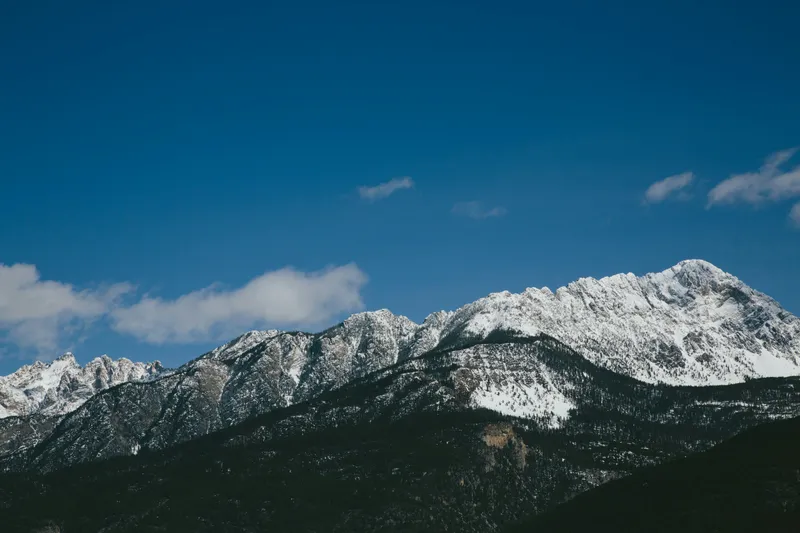
The Alpine mountains offer some of the most breathtaking vistas for photographers and videographers alike. From rugged peaks to serene valleys, the beauty found in these landscapes is unparalleled. In this guide, we will explore essential camera equipment , techniques, and tips to enhance your mountainphotography and videography.
Capturing the Night Sky: Tips for Aerial Photography of the Full Moon
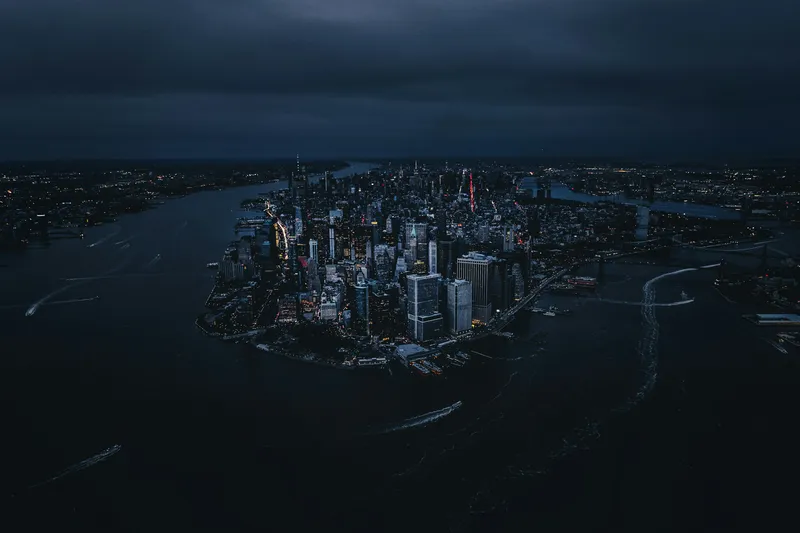
Aerial photography has become increasingly popular among photographers, especially when it comes to capturing stunning landscapes and cityscapes. One of the most captivating sights in the night sky is the full moon. Its luminous glow can transform any urban setting into a mesmerizing tableau. In this article, we’ll explore essential photography tips for capturing the night sky during a full moon, specifically focusing on city photography.
Explore these topics
- photography-tips(133)
- landscape(22)
- camera-settings(16)
- mountain-photography(15)
- night-sky(10)