Capturing the Beauty of Antelope Canyon
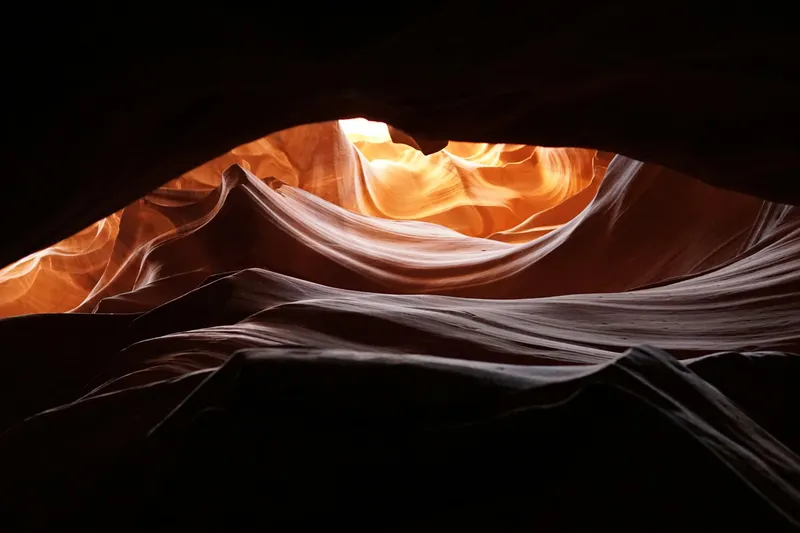
Capturing the Beauty of Antelope Canyon
Antelope Canyon, located in the heart of Arizona, is a captivating natural wonder that has become a must-visit destination for landscape photographers. The interplay of light and shadow within the narrow sandstone walls creates a unique opportunity to capture stunning images. In this article, we will explore essential photography tips to help you make the most of your visit to Antelope Canyon.
Understanding Antelope Canyon
Antelope Canyon is divided into two main sections: Upper and Lower Antelope Canyon. The Upper Canyon is known for its light beams that shine through the narrow openings, while the Lower Canyon offers a more adventurous experience with winding paths and a stunning array of colors. Understanding these differences will help you choose your camera settings and plan your shots accordingly.
Photography Tips for Antelope Canyon
- Plan Your Visit : The best time to visit Antelope Canyon for photography is during the midday hours when the sun is high in the sky. This will maximize the amount of natural light that enters the canyon, creating those iconic light beams and vibrant colors.
- Use a Tripod : Given the low light conditions in some areas of the canyon, using a tripod is essential. This will help you keep your camera steady and avoid any motion blur in your images.
- Camera Settings : For landscape photography in Antelope Canyon, consider the following camera settings :
- ISO : Start with a low ISO (100-200) to reduce noise. You can increase it if necessary.
- Aperture : Use a wide aperture (f/4 to f/8) to capture the depth of field while allowing enough light to enter the lens.
- Shutter Speed : A slower shutter speed (1/60 to 1/125 seconds) can help you capture the play of light and shadow, but be cautious of too much blur; adjust based on your tripod stability.
- Focus on Composition : Look for leading lines, curves, and the contrasting colors of the rocks. The natural formations create beautiful patterns that can enhance your composition.
- Experiment with Angles : Don’t be afraid to get low or shoot from different angles. The unique shapes of the canyon walls can create dynamic images when viewed from various perspectives.
- Post-Processing : After your shoot, use editing software to enhance your images. Adjusting contrast, saturation, and sharpness can bring out the full beauty of your photography of antelope images.
Equipment Recommendations
- Lenses : A wide-angle lens (16-35mm) is ideal for capturing the full scale of the canyon. A macro lens can also be beneficial for detailed shots of textures.
- Filters : Consider using a polarizing filter to reduce glare and enhance the colors of the sandstone.
- Camera : Any DSLR or mirrorless camera will work, but ensure you have a camera that performs well in low light conditions.
Conclusion
Capturing the beauty of Antelope Canyon requires planning and the right photography tips to make the most of the stunning landscapes. By understanding your camera settings , utilizing natural light , and experimenting with composition, you can create breathtaking images that showcase this incredible location. Remember to respect the environment and preserve the beauty of Antelope Canyon for future photographers. Happy shooting!
Related articles
Capturing the Sky: Tips for Photographing Natural Light Phenomena
Photography enthusiasts and professionals alike often find themselves drawn to the captivating beauty of the sky. Whether it’s the mesmerizing colors of a sunset, the vibrant hues of the aurora borealis, or the dramatic play of clouds, sky photography offers endless opportunities for stunning images. In this article, we’ll share essential photography tips to help you capture these incredible natural light phenomena.
Capturing the Perfect Sunset: Tips for Photographers
Sunsets are one of nature's most breathtaking spectacles, offering a canvas of colorful skies that can leave anyone in awe. For photographers, capturing the perfect sunset can be a rewarding challenge. In this article, we will explore essential photography tips to help you enhance your sunset photography skills, focusing on camera settings , composition, and equipment choices.
Mastering Sunrise Photography: Tips and Tricks for Stunning Shots
Capturing the breathtaking beauty of dawn can be one of the most rewarding experiences for any photographer. Sunrise photography not only offers stunning visuals but also provides a tranquil moment to reflect and appreciate nature's artistry. In this article, we will explore essential camera settings , techniques, and tips to help you master landscape photography at sunrise, ensuring your images are infused with vibrant colors and captivating details.
Explore these topics
- photography-tips(133)
- landscape-photography(83)
- camera-settings(16)