Capturing Nature's Beauty: Tips for Photographing Cliffs and Beaches
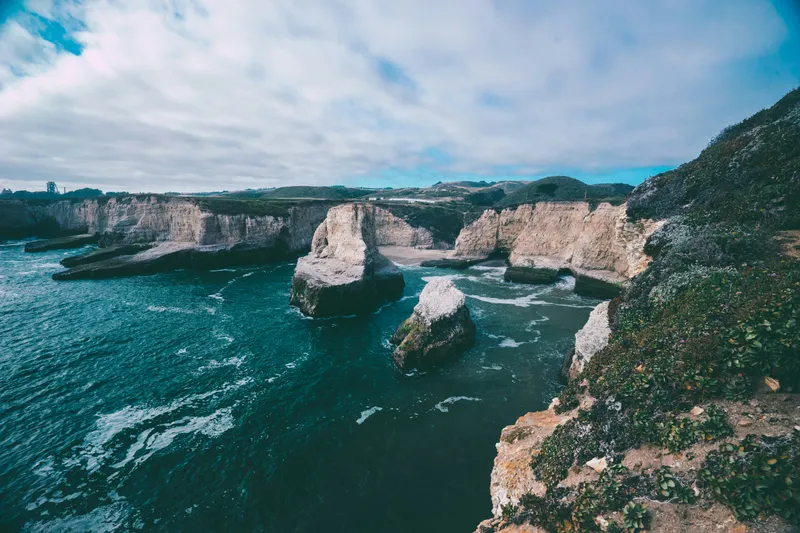
Capturing Nature's Beauty: Tips for Photographing Cliffs and Beaches
When it comes to landscape photography , few subjects are as stunning and dramatic as cliffs and beaches. These natural formations offer unique perspectives and opportunities to showcase the beauty of our planet. In this article, we will explore essential photography tips for capturing the essence of cliffs and beaches, along with recommended photography and videography equipment to enhance your experience.
1. Understand the Light
Lighting is crucial in cliff photography and beach photography. The golden hours—early morning and late afternoon—provide softer, warmer light that enhances the textures and colors of the landscape. Here are some tips:
- Shoot during sunrise or sunset for vibrant colors and long shadows.
- Use a polarizing filter to reduce glare and enhance the colors of the sky and water.
2. Composition Techniques
Composition can make or break your photograph. Consider these techniques:
- Rule of Thirds : Place the horizon along the upper or lower third of your frame and position key elements like cliffs or rocks at the intersections.
- Leading Lines : Use natural lines, like the tide or pathways, to lead the viewer’s eye into the photograph.
- Framing : Utilize overhanging branches or natural rock formations to frame your subject, adding depth to your images.
3. Equipment Essentials
To capture the intricate details of cliffs and the vastness of beaches, having the right photography equipment is essential:
- DSLR or Mirrorless Camera : These cameras offer superior image quality and versatility for various conditions.
- Wide-Angle Lens : A lens with a focal length of 16-35mm will help you capture expansive landscapes.
- Tripod : This is particularly important for long exposure shots, especially during low light conditions.
- ND Filters : Neutral density filters allow you to take longer exposures in bright conditions, creating a smooth effect on water surfaces.
4. Experiment with Angles
Don’t be afraid to get creative with your angles:
- Low Angles : Shooting from a low angle can make cliffs appear more imposing and dramatic.
- High Angles : If possible, capture shots from above to get a broader perspective of the landscape.
- Close-Ups : Focus on interesting textures, like the patterns in the sand or the details of rocky cliffs, to add variety to your portfolio.
5. Nature Videography
In addition to still photography, consider capturing nature videography at cliffs and beaches. Here are a few tips for creating captivating video content:
- Stabilization : Use a gimbal or a tripod to ensure smooth footage, especially when filming in dynamic environments.
- Slow Motion : Capture waves crashing against the cliffs in slow motion for a dramatic effect.
- Time-Lapse : Consider a time-lapse of the changing tides or the movement of clouds to showcase the dynamic nature of these landscapes.
6. Post-Processing Techniques
Editing is a crucial step in enhancing your photographs:
- Use software like Adobe Lightroom or Photoshop to adjust exposure, contrast, and colors.
- Consider applying subtle filters to enhance the mood and feel of your images without overdoing it.
Conclusion
Photographing cliffs and beaches can be incredibly rewarding when you apply the right photography tips and use the appropriate photography equipment. By understanding light, mastering composition, and experimenting with angles, you can truly capture the breathtaking beauty of nature. Whether you’re focused on landscape photography or nature videography , these tips will help you create stunning visuals that showcase the world’s natural wonders. ! Happy shooting! Embrace the beauty around you and let your creativity flow.
Related articles
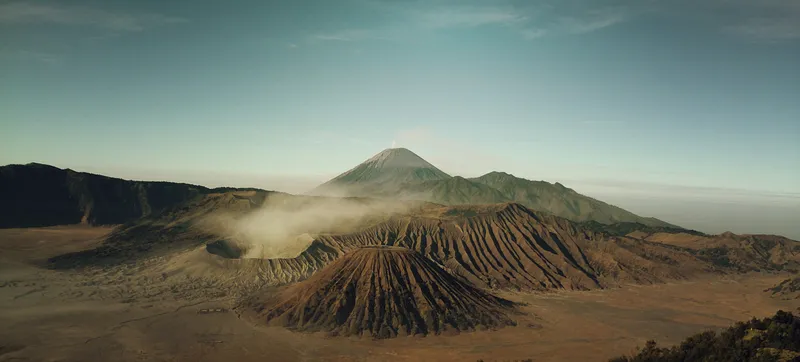
Capturing the Majesty of Volcanoes: Tips for Photographers
Volcanoes are nature's awe-inspiring giants, and volcano photography can yield breathtaking images that capture their raw power and beauty. Whether you’re a seasoned photographer or a budding enthusiast, understanding how to effectively shoot these geological wonders is crucial. This article provides essential photography tips and insights into the best camera equipment to use for landscape photography focused on our planet's fiery giants.
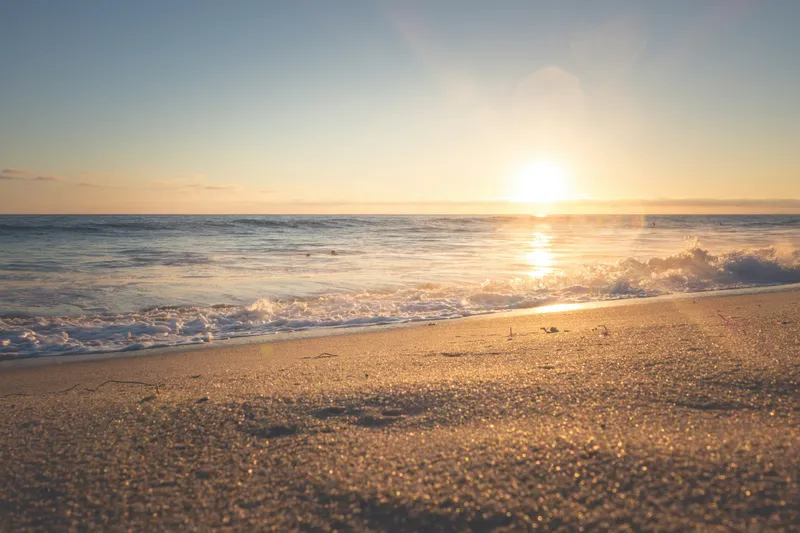
Capturing the Perfect Sunset: Tips and Techniques for Stunning Beach Photography
Sunsets are one of nature's most breathtaking spectacles, especially when viewed from a serene beach. Whether you're a professional photographer or a passionate hobbyist, sunset photography at the beach can lead to stunning images that capture the essence of the moment. In this article, we will explore essential photography tips , effective camera techniques , and gear recommendations to help you create mesmerizing landscape photography during sunset.
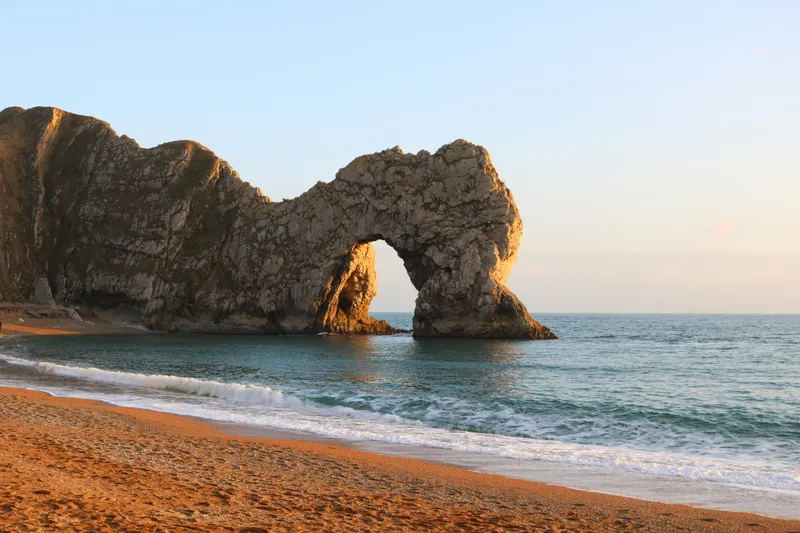
Capturing the Beauty of Durdle Door: Photography Tips
Nestled along the stunning Jurassic Coast of Dorset, Durdle Door is one of the most iconic natural landmarks in the UK, attracting photographers and nature lovers alike. Whether you're an aspiring photographer or a seasoned pro, capturing the essence of this breathtaking site requires a blend of the right techniques and equipment. In this article, we'll share essential photography tips to help you make the most of your visit to Durdle Door.