Capturing the Majesty of Volcanoes: Tips for Photographers
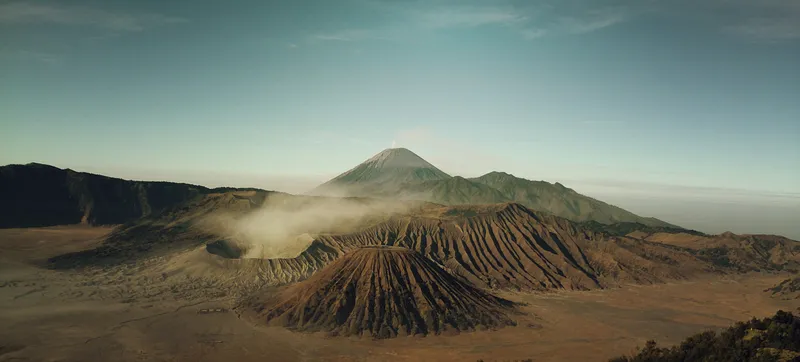
Capturing the Majesty of Volcanoes: Tips for Photographers
Volcanoes are nature's awe-inspiring giants, and volcano photography can yield breathtaking images that capture their raw power and beauty. Whether you’re a seasoned photographer or a budding enthusiast, understanding how to effectively shoot these geological wonders is crucial. This article provides essential photography tips and insights into the best camera equipment to use for landscape photography focused on our planet's fiery giants.
Understanding Volcanoes
Before you set out to shoot, take the time to learn about the volcanoes you plan to photograph. Each volcano has its unique characteristics, such as shape, activity level, and surrounding landscape. For instance, active volcanoes like Mount Kilauea in Hawaii offer opportunities to capture lava flows, while dormant volcanoes like Mount Fuji provide stunning backdrop compositions.
Essential Photography Tips for Volcanoes
- Research Your Location : Check local regulations and safety guidelines. Some areas may require permits for photography, especially near active volcanoes.
- Choose the Right Time : The golden hours of sunrise and sunset provide soft, diffused lighting that enhances the textures and colors of volcanic landscapes. Midday light can create harsh shadows, so plan your shoots accordingly.
- Utilize a Tripod : For long exposures, especially during twilight or night photography, a sturdy tripod is essential to avoid camera shake. This is particularly useful for capturing lava flows or the stars above a volcano.
- Experiment with Angles and Perspectives : Don’t just shoot from eye level. Use a high angle view of volcano to highlight its grandeur. Climbing to a higher vantage point can provide a dramatic perspective that sets your images apart.
- Incorporate Foreground Elements : Including elements like rocks, trees, or flowing lava in the foreground can create a sense of depth and scale. This helps viewers appreciate the vastness of the volcanic landscape.
- Use Filters : Polarizing filters can help reduce glare and enhance the colors of the sky and vegetation surrounding the volcano. Neutral density filters are also beneficial for achieving long exposure effects, especially when capturing waterfalls or lava flows.
Recommended Camera Equipment
For nature videography and landscape photography focused on volcanoes, having the right gear is imperative:
- DSLR or Mirrorless Camera : Choose a high-resolution camera capable of handling dynamic range effectively. Models with good low-light performance are ideal for dawn or dusk photography.
- Lenses : A wide-angle lens (16-35mm) is perfect for capturing expansive landscapes, while a telephoto lens (70-200mm) allows for detailed shots of distant volcanic activity.
- Filters : As mentioned, polarizing and ND filters can significantly enhance your images.
- Extra Batteries and Memory Cards : Volcanic locations can be remote, so ensure you have enough power and storage to last through a full day of shooting.
Safety Considerations
Photographing volcanoes can be thrilling, but it also comes with risks. Always prioritize safety:
- Stay informed about the volcano's activity level, and heed local authorities' advice.
- Keep a safe distance from the crater and any toxic gases.
- Carry safety gear, such as a first-aid kit and emergency supplies, especially when venturing into remote areas.
Conclusion
Volcano photography offers a unique opportunity to capture the beauty and power of our planet's geological wonders. By following these photography tips and using the right camera equipment , you can create stunning images that showcase the majesty of volcanoes. So grab your gear, respect nature, and let your creativity flow as you explore these magnificent landscapes.
Now that you’re equipped with knowledge and tips, it’s time to embark on your volcanic adventure. Happy shooting!
Related articles
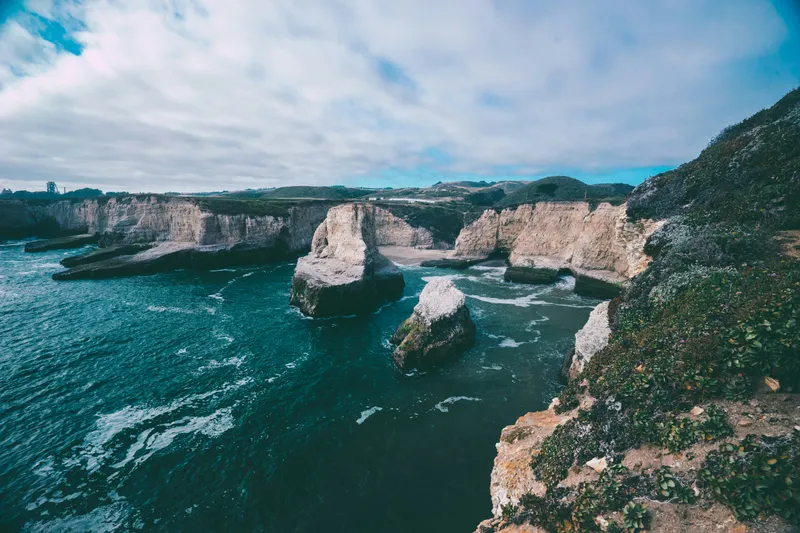
Capturing Nature's Beauty: Tips for Photographing Cliffs and Beaches
When it comes to landscape photography , few subjects are as stunning and dramatic as cliffs and beaches. These natural formations offer unique perspectives and opportunities to showcase the beauty of our planet. In this article, we will explore essential photography tips for capturing the essence of cliffs and beaches, along with recommended photography and videography equipment to enhance your experience.
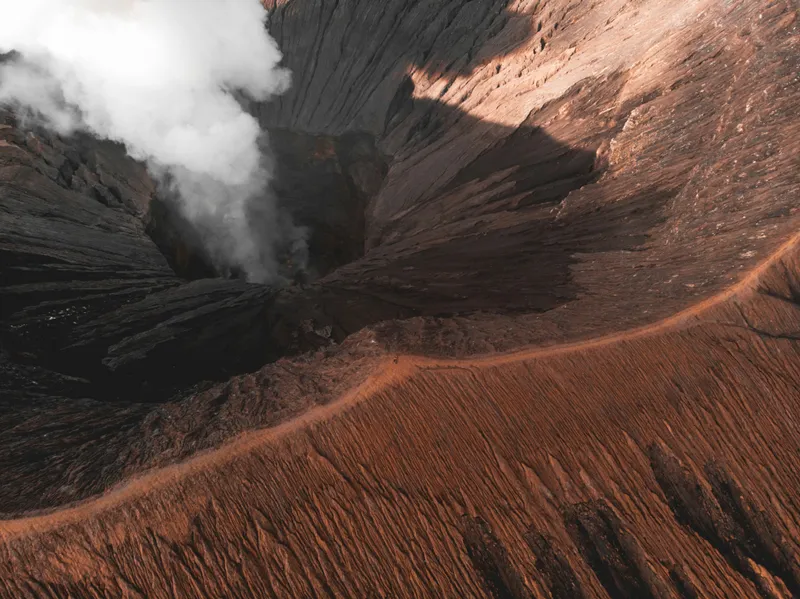
Capturing the Majesty of Aerial Volcano Photography
Aerial photography opens up a world of breathtaking views, especially when it comes to volcano photography. Utilizing the power of drones , photographers can capture the majesty of these natural wonders from a unique vantage point. In this article, we will explore essential photography tips for mastering landscape photography of volcanoes, ensuring you get the most out of your aerial shots.
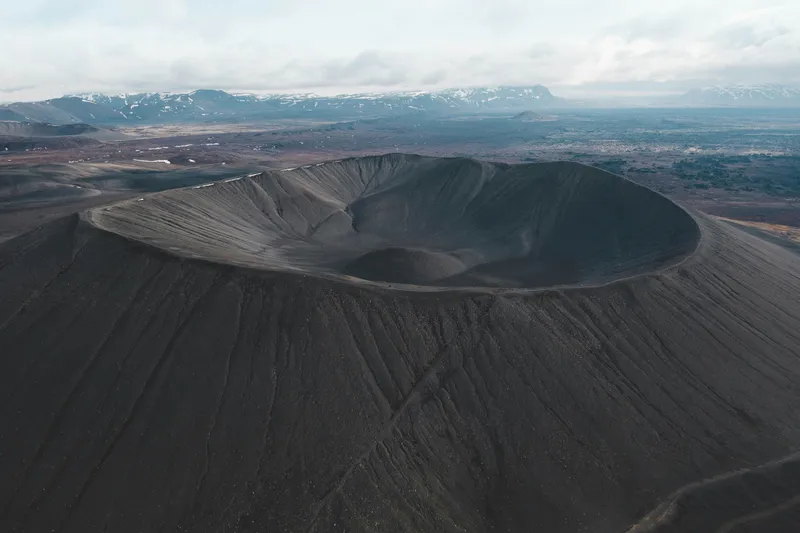
Capturing the Essence of Volcanoes: Photography Tips for Stunning Landscapes
Volcanoes are among the most awe-inspiring natural wonders on our planet. Capturing their essence through volcano photography can yield breathtaking results, showcasing the raw power and beauty of nature. In this article, we’ll explore essential photo tips that will help you elevate your landscape photography skills and make the most of your camera gear when photographing these majestic giants.