Capturing the Beauty of Durdle Door: Photography Tips
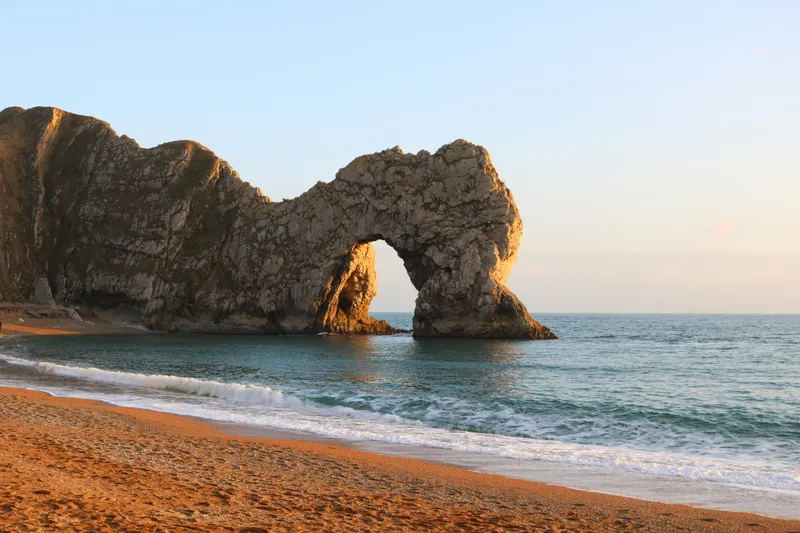
Capturing the Beauty of Durdle Door : Photography Tips
Nestled along the stunning Jurassic Coast of Dorset, Durdle Door is one of the most iconic natural landmarks in the UK, attracting photographers and nature lovers alike. Whether you're an aspiring photographer or a seasoned pro, capturing the essence of this breathtaking site requires a blend of the right techniques and equipment. In this article, we'll share essential photography tips to help you make the most of your visit to Durdle Door.
1. Best Time to Visit for Sunset Photography
Timing is everything in photography, and for landscape photography at Durdle Door , the golden hour—just before sunset—is a magical time to shoot. The warm, soft light enhances the textures of the rock formations and creates stunning reflections in the water.
- Tip : Arrive at least an hour before sunset to scout the best angles and set up your equipment. This will give you ample time to adjust settings and experiment with compositions.
2. Choosing the Right Equipment
To capture the beauty of Durdle Door , having the right gear is essential. Here are some recommendations:
- Camera : A DSLR or mirrorless camera with manual settings is ideal for nature photography.
- Lens : A wide-angle lens (e.g., 16-35mm) is perfect for capturing the expansive beach and rock formations. A telephoto lens (e.g., 70-200mm) can also be useful for isolating details.
- Tripod : A sturdy tripod is crucial for long exposure shots, especially for sunset photography where light levels drop.
- Filters : Consider using a polarizing filter to reduce glare from the water and enhance colors. A graduated neutral density filter can help balance bright skies and darker foregrounds.
3. Composition Techniques for Beach Photography
When photographing Durdle Door , composition is key. Here are some strategies:
- Rule of Thirds : Position the Durdle Door arch off-center to create a more dynamic composition. Use the rule of thirds to guide where to place the horizon and other elements.
- Leading Lines : Utilize the natural lines of the beach and surrounding cliffs to lead the viewer's eye towards the arch.
- Foreground Interest : Incorporate elements in the foreground, such as rocks, driftwood, or beach grasses, to add depth and context to your images.
4. Experiment with Long Exposures
For a unique take on Durdle Door , try long exposure photography. This technique can create a dreamy effect on the waves and sky, particularly during sunset. Here’s how to do it:
- Settings : Use a low ISO (100 or 200), a small aperture (f/8 to f/16), and a slower shutter speed (1-30 seconds) to capture motion.
- Stability : Ensure your tripod is stable, and use a remote shutter release or the camera's timer to avoid any camera shake.
5. Post-Processing Tips
After capturing your images, post-processing can enhance your photos further. Here are some editing tips:
- Adjust Exposure and Contrast : Fine-tune the exposure and contrast to bring out the details in shadows and highlights.
- Color Correction : Enhance the colors to make the sunset pop. Be careful not to over-saturate, as it can make the image look unnatural.
- Sharpening : Apply a subtle sharpening effect to bring out the textures of Durdle Door and the surrounding landscape.
Conclusion
Photographing Durdle Door can be a rewarding experience, especially when you take the time to plan your shots and use the right techniques. With these photography tips , you’ll be well on your way to capturing stunning images of one of nature’s most beautiful creations. Remember to respect the environment while you shoot, and enjoy the beauty of this remarkable location!
Article Photo Description
Durdle Door at sunset, showcasing the natural arch against a vibrant sky.
Related articles
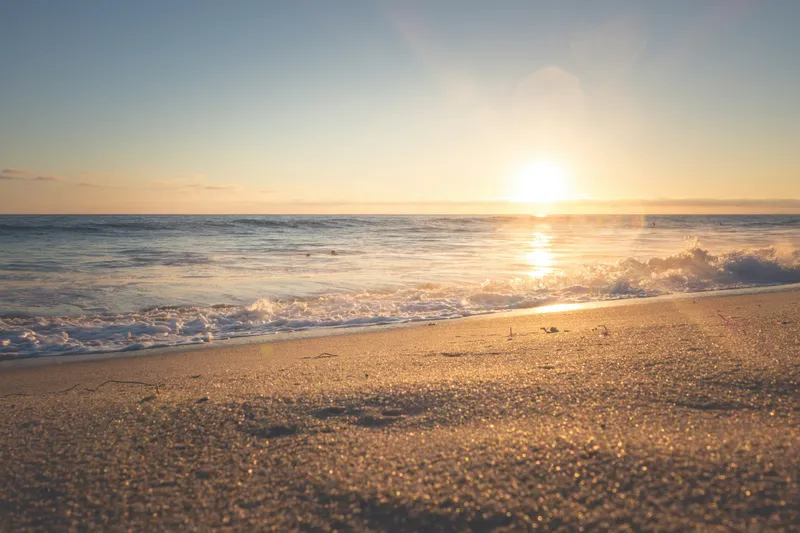
Capturing the Perfect Sunset: Tips and Techniques for Stunning Beach Photography
Sunsets are one of nature's most breathtaking spectacles, especially when viewed from a serene beach. Whether you're a professional photographer or a passionate hobbyist, sunset photography at the beach can lead to stunning images that capture the essence of the moment. In this article, we will explore essential photography tips , effective camera techniques , and gear recommendations to help you create mesmerizing landscape photography during sunset.
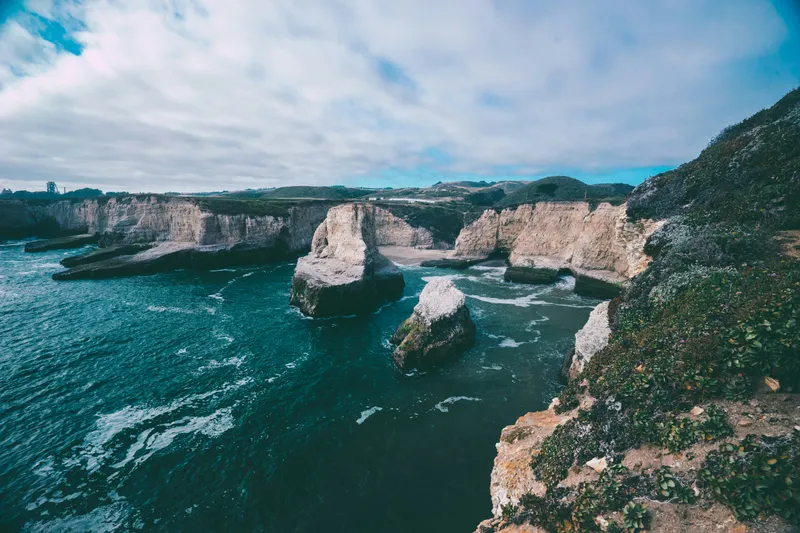
Capturing Nature's Beauty: Tips for Photographing Cliffs and Beaches
When it comes to landscape photography , few subjects are as stunning and dramatic as cliffs and beaches. These natural formations offer unique perspectives and opportunities to showcase the beauty of our planet. In this article, we will explore essential photography tips for capturing the essence of cliffs and beaches, along with recommended photography and videography equipment to enhance your experience.
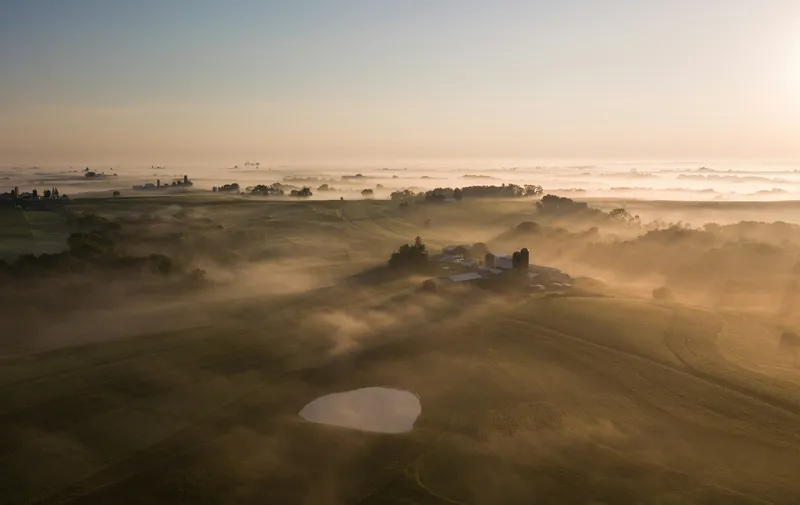
Capturing the Perfect Sunset: Tips for Aerial Photography
Sunsets have a magical quality that draws photographers to capture their beauty. When combined with aerial photography , the results can be breathtaking. Whether you're a seasoned pro or just starting out, here are some essential photography tips for ensuring you get the best possible shots during sunset.