Capturing the Alien Beauty of Volcanic Landscapes

Capturing the Alien Beauty of Volcanic Landscapes
Volcanic landscapes present an otherworldly charm that captivates photographers and videographers alike. From the rugged terrains of lava fields to the surreal beauty of steam vents, these natural wonders offer endless opportunities for landscape photography. In this article, we will explore essential photography techniques and tips specifically tailored to capture the stunning allure of volcanic regions, including how to tackle the challenges of grayscale photography and outdoor shooting tips for optimal results.
Understanding Volcanic Landscapes
Volcanic landscapes often feature dramatic contrasts, with dark lava flows juxtaposed against vibrant flora or stark monochrome backdrops. These elements make for compelling compositions that can be enhanced using the right equipment for low light conditions, especially during sunrise or sunset when the golden hour casts a magical glow over the terrain.
Essential Photography Techniques
- Long Exposure Shots : To capture the ethereal flow of lava or the movement of clouds over volcanic peaks, consider using long exposure techniques. A sturdy tripod is essential to keep your camera stable, and a neutral density filter can help manage light levels, allowing for longer shutter speeds without overexposing your images.
- High Dynamic Range (HDR) Imaging : Volcanic landscapes can present a wide range of light and dark areas. Utilizing HDR imaging allows you to merge multiple exposures into one image, ensuring that both the bright highlights and dark shadows are well-represented.
- Grayscale Photography : The stark beauty of volcanic regions lends itself well to grayscale photography. Converting your images to black and white can emphasize textures and shapes, creating a more dramatic feel. Focus on the contrasts in your composition, such as the roughness of lava rocks against the smoothness of ash deposits.
Outdoor Shooting Tips for Volcanic Photography
- Plan Your Shots : Research locations ahead of time to find the best vantage points. Many volcanic areas have specific trails or viewpoints that provide stunning angles for your shots.
- Timing is Key : The time of day can significantly impact your images. Early mornings and late afternoons offer the best lighting, casting soft shadows and warmer tones across the landscape.
- Dress Appropriately : Volcanic areas can have unpredictable weather. Ensure you have the right gear for outdoor shooting, including waterproof clothing and sturdy boots.
Equipment for Low Light Conditions
When shooting in low light conditions, such as during twilight or under a dark volcanic sky, consider the following equipment:
- Fast Lenses : Lenses with a wide aperture (like f/2.8 or lower) allow more light into the camera, helping to keep your images sharp and clear.
- Tripod : A reliable tripod is a must for long exposures and low light photography, ensuring stability and clarity in your shots.
- Camera Settings : Utilize a higher ISO setting cautiously as it can introduce noise. Experiment with different settings to find the best balance between light sensitivity and image quality.
Conclusion
Capturing the alien beauty of volcanic landscapes requires a blend of creativity, technique, and the right equipment. By using these photography techniques , embracing grayscale photography , and following our outdoor shooting tips , you can create stunning images that reflect the dramatic nature of these incredible environments. Whether it’s the haunting silhouette of a crashed airplane on sandgrayscale photography or the vibrant glow of molten lava, each shot tells a story of the earth's raw power and beauty. Happy shooting!
Related articles
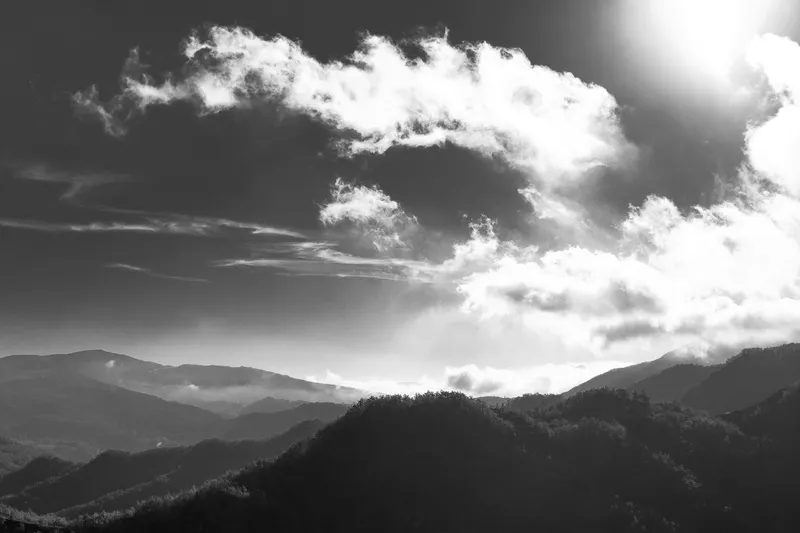
Capturing the Beauty of Mountains: Tips for Grayscale Photography
Mountains have a unique allure, drawing photographers to capture their majestic beauty. When it comes to mountain photography , using grayscale photography can elevate your images, emphasizing texture, contrast, and the dramatic interplay of light and shadow. In this article, we’ll explore some essential photography tips for creating stunning black and white landscapes , along with the camera equipment you might need to bring your vision to life.
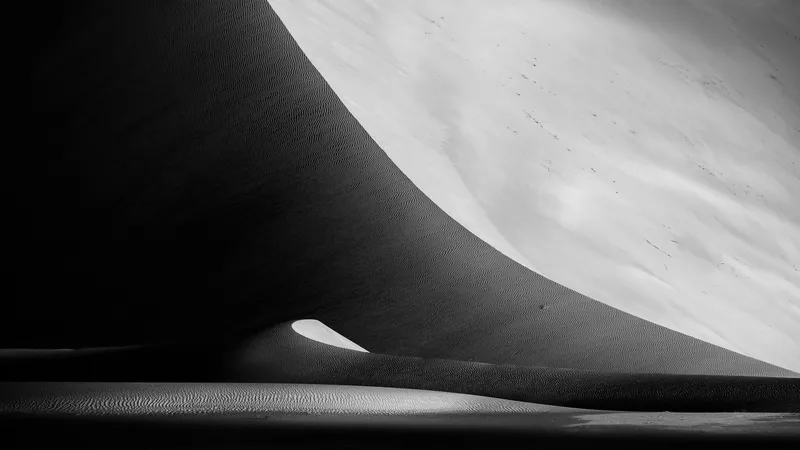
Capturing the Essence of Desert Landscapes: Tips for Photographing Sand Dunes
Desert landscapes, particularly sand dunes , offer a unique canvas for photographers. Their shifting shapes and textures create stunning visuals that speak to the beauty and vastness of nature. If you're eager to capture the essence of these remarkable terrains, follow these photography tips to enhance your skills and produce captivating images.
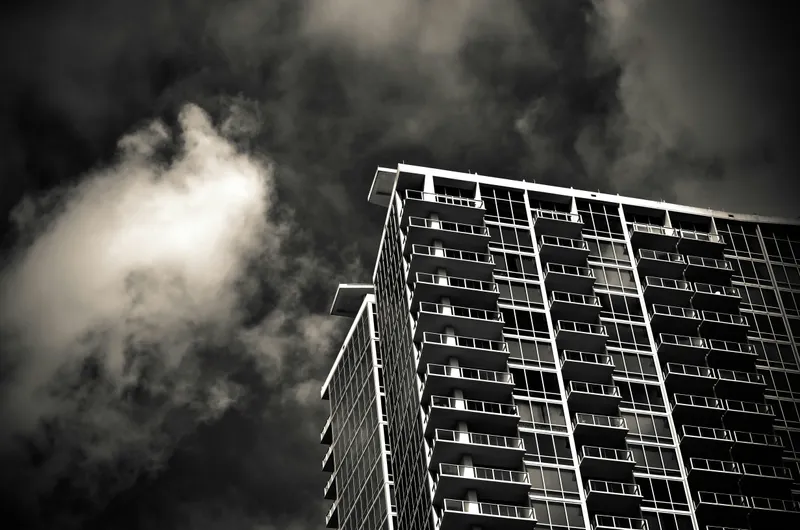
Mastering Grayscale Photography: Tips for Capturing Urban Architecture
Grayscale photography is more than just a technique; it's an art form that can elevate your photos by focusing on texture, light, and shape without the distraction of color. When it comes to urban architecture , grayscale can highlight the intricate details of buildings and the interplay of light and shadow. In this article, we’ll explore essential photography tips for capturing stunning building photography in black and white, especially under the dramatic conditions of cloudy sky photography.