Capturing the Essence of Desert Landscapes: Tips for Photographing Sand Dunes

Capturing the Essence of Desert Landscapes: Tips for Photographing Sand Dunes
Desert landscapes, particularly sand dunes , offer a unique canvas for photographers. Their shifting shapes and textures create stunning visuals that speak to the beauty and vastness of nature. If you're eager to capture the essence of these remarkable terrains, follow these photography tips to enhance your skills and produce captivating images.
Understanding Sand Dunes
Sand dunes are more than just heaps of sand; they are dynamic structures shaped by wind and weather. Understanding their formation can enhance your nature photography skills. Look for patterns in the sand, such as ripples and shadows, which can add depth and interest to your shots.
Best Time to Photograph
The golden hours of sunrise and sunset are ideal for photographing desert landscapes. During these times, the light is soft and warm, casting long shadows that accentuate the curves of the sand dunes. This is also a great opportunity for grayscale photography , as the contrast between light and shadow creates striking images that highlight the dune's textures.
Equipment You’ll Need
When heading out to photograph sand dunes , consider the following equipment:
- DSLR or Mirrorless Camera : A camera with manual settings will give you greater control over exposure and focus.
- Tripod : Essential for stability, especially in low light conditions.
- Polarizing Filter : This will help reduce glare and enhance the colors of the sand.
- Wide-Angle Lens : Perfect for capturing the vastness of the desert.
- Neutral Density Filter : Useful for long exposures, allowing you to capture the movement of clouds or the shifting sands.
Composition Techniques
- Leading Lines : Use the natural lines of the dunes to guide the viewer's eye into the image. This can create a sense of depth.
- Foreground Interest : Incorporate elements in the foreground to provide context and scale. This could be a rock formation or a sparse desert plant.
- Rule of Thirds : Position the horizon line either in the upper or lower third of the frame. This can provide balance and draw attention to the dunes.
- Embrace Negative Space : Sometimes less is more. A vast expanse of sand can evoke feelings of solitude and vastness, so don’t be afraid to leave areas of the frame empty.
Experimenting with Light and Shadow
Light plays a crucial role in capturing the essence of desert landscapes. Experiment with different angles to see how the sun interacts with the sand dunes. Early morning or late afternoon light creates dramatic shadows, perfect for grayscale photography. This approach can transform the dunes into a monochromatic masterpiece, emphasizing their shape and texture without the distraction of color.
Post-Processing Techniques
After capturing your images, consider enhancing them in post-processing software:
- Convert to grayscale : This can accentuate textures and contrasts in your images.
- Adjust contrast and brightness to emphasize the sand dunes ' shapes.
- Use cropping strategically to improve composition and focus on your subject.
Conclusion
Photographing sand dunes can be an incredibly rewarding experience. By utilizing these photography tips , you can effectively capture the essence of desert landscapes. So grab your camera, head out to the dunes, and let your creativity shine. Remember, the beauty of the desert is not just in what you see, but in the stories you can tell through your lens. Happy shooting!
Related articles
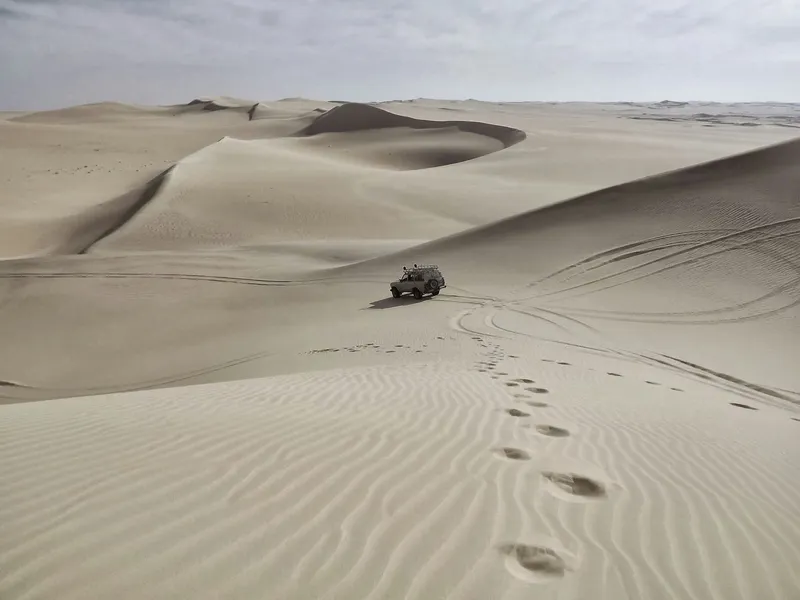
Capturing the Wild: Tips for Outdoor Photography in Desert Landscapes
Desert landscapes offer a unique and breathtaking backdrop for outdoor photography. The vast expanses of sand, striking rock formations, and vibrant sunsets provide endless opportunities for stunning shots. However, photographing in such harsh environments requires a specific set of skills and the right camera equipment. Here are some essential photography tips to help you capture the beauty of desert landscapes.
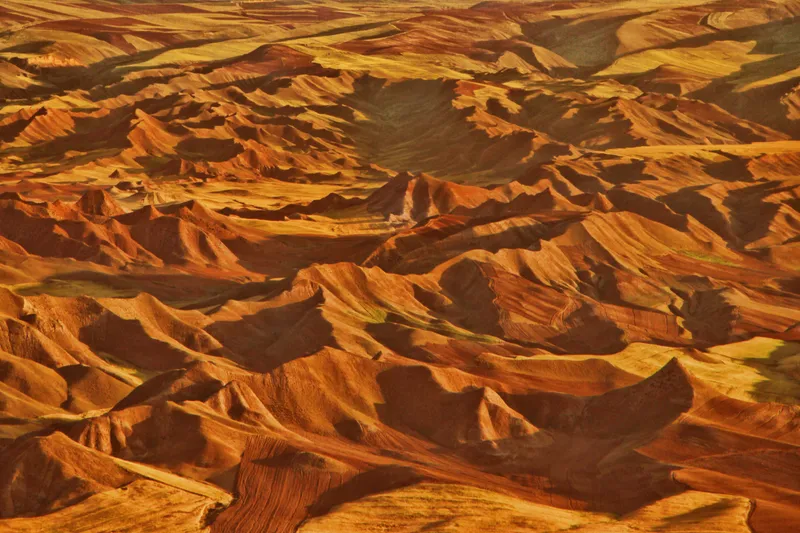
Capturing the Beauty of Desert Landscapes: Tips for Aerial Photography
Desert landscapes offer a unique and breathtaking canvas for aerial photography. With their vast expanses of sand, striking rock formations, and mesmerizing color palettes, these environments provide countless opportunities for stunning artistic shots. In this article, we’ll explore essential photography tips and the right equipment needed to effectively capture the beauty of desert terrains from above.
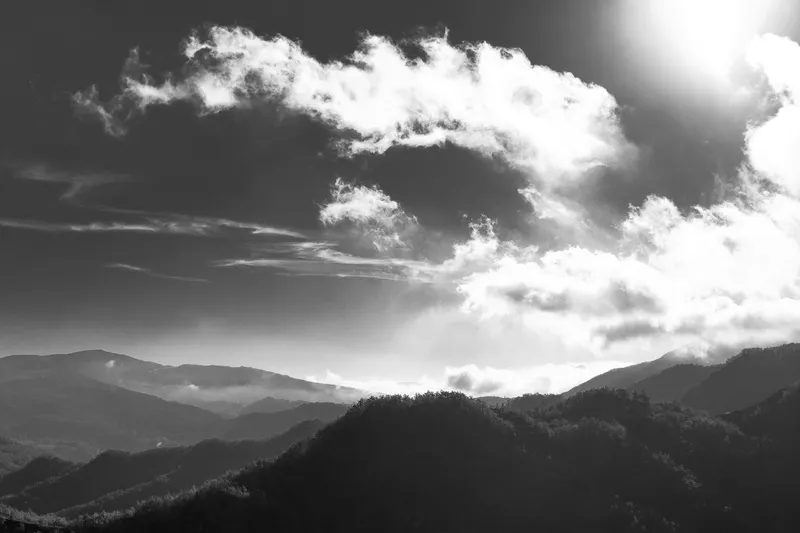
Capturing the Beauty of Mountains: Tips for Grayscale Photography
Mountains have a unique allure, drawing photographers to capture their majestic beauty. When it comes to mountain photography , using grayscale photography can elevate your images, emphasizing texture, contrast, and the dramatic interplay of light and shadow. In this article, we’ll explore some essential photography tips for creating stunning black and white landscapes , along with the camera equipment you might need to bring your vision to life.