Capturing the Beauty of Mountains: Tips for Grayscale Photography
Capturing the Beauty of Mountains: Tips for Grayscale Photography
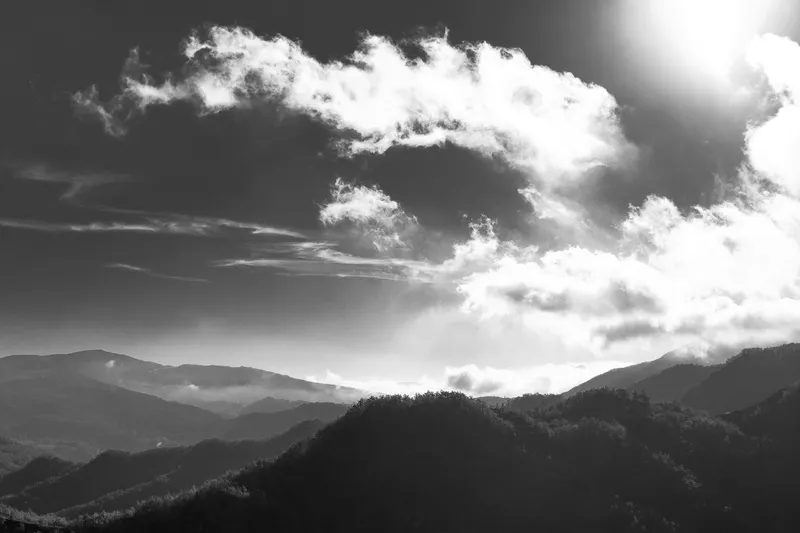
Mountains have a unique allure, drawing photographers to capture their majestic beauty. When it comes to mountain photography , using grayscale photography can elevate your images, emphasizing texture, contrast, and the dramatic interplay of light and shadow. In this article, we’ll explore some essential photography tips for creating stunning black and white landscapes , along with the camera equipment you might need to bring your vision to life.
Understanding Grayscale Photography
Grayscale photography strips away the color, allowing the viewer to focus on the composition, shapes, and tones of the landscape. This technique is particularly effective in mountain photography , where the rugged terrain and varying light conditions create a rich tapestry of contrasts.
Why Choose Grayscale?
- Emphasizes Texture : Mountains have intricate textures; black and white landscapes can highlight these details better than color photography.
- Mood and Emotion : Grayscale images often convey a sense of drama and emotion, capturing the grandeur of nature in a new light.
- Timeless Quality : Black and white photography has a classic feel that can make your mountain scenes appear timeless.
Essential Photography Tips for Grayscale Mountain Photography
1. Choose the Right Time of Day
Lighting is crucial in photography; the golden hour (shortly after sunrise and before sunset) offers softer light that enhances textures and shadows. Midday light can create harsh contrasts, but with grayscale photography , you can utilize these contrasts to create dramatic images.
2. Use a Polarizing Filter
A polarizing filter can reduce glare and increase contrast in your images, making it easier to capture the rich details of mountain landscapes. This is particularly useful when shooting near bodies of water or after a rain.
3. Focus on Composition
Composition is key in any type of photography. Use leading lines, the rule of thirds, and framing techniques to draw the viewer's eye into your image. Mountains provide natural leading lines, such as trails or ridges, that can enhance your composition.
4. Experiment with Textures and Patterns
Look for different textures in the mountains, such as rocky surfaces, snow, or trees. Capturing these elements in black and white landscapes can add depth and interest to your photographs.
5. Post-Processing Techniques
Utilize software like Adobe Lightroom or Photoshop to enhance your grayscale photography. Adjust the contrast, brightness, and shadows to bring out the best in your images. Don’t forget to experiment with different filters and effects to create a unique mood.
6. Invest in Quality Camera Equipment
To make the most of your mountain photography , consider investing in quality camera equipment. A DSLR or mirrorless camera with a good lens will provide better image quality and allow for more creative control. A sturdy tripod is also essential for long exposures and stability in windy conditions.
Recommended Camera Equipment for Grayscale Mountain Photography
- Camera : A full-frame DSLR or mirrorless camera is ideal for capturing high-resolution images with great detail.
- Lenses : A wide-angle lens (16-35mm) is perfect for capturing expansive mountain landscapes, while a telephoto lens (70-200mm) can help isolate distant peaks.
- Tripod : A sturdy tripod is essential for stability, especially in low-light conditions.
- Filters : Neutral density (ND) and polarizing filters can help control light and enhance contrast in your images.
Conclusion
Grayscale photography offers a fresh perspective on mountain photography , allowing you to capture the rugged beauty of landscapes in a timeless way. By following these photography tips and utilizing the right camera equipment , you can create striking black and white landscapes that showcase the majestic beauty of mountains. So grab your camera and start capturing the breathtaking views around you!
Related articles
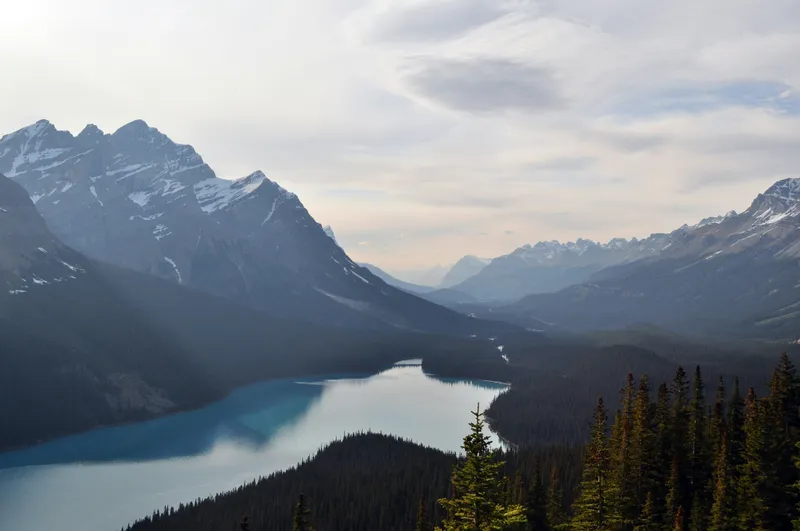
Capturing the Beauty of Peyto Lake: Photography Tips for Mountain Landscapes
When it comes to landscape photography , few places can rival the stunning vistas of Peyto Lake in the Canadian Rockies. Known for its unique wolf-head shape and vibrant turquoise waters, this natural wonder provides an exceptional backdrop for photographers. If you’re planning a visit and want to capture the essence of this breathtaking location, here are some essential photography tips and recommended camera equipment to help you succeed in your nature photography endeavors.
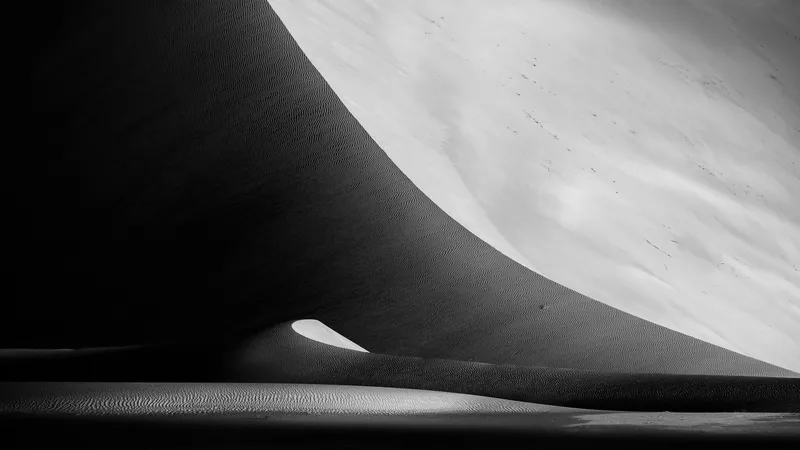
Capturing the Essence of Desert Landscapes: Tips for Photographing Sand Dunes
Desert landscapes, particularly sand dunes , offer a unique canvas for photographers. Their shifting shapes and textures create stunning visuals that speak to the beauty and vastness of nature. If you're eager to capture the essence of these remarkable terrains, follow these photography tips to enhance your skills and produce captivating images.
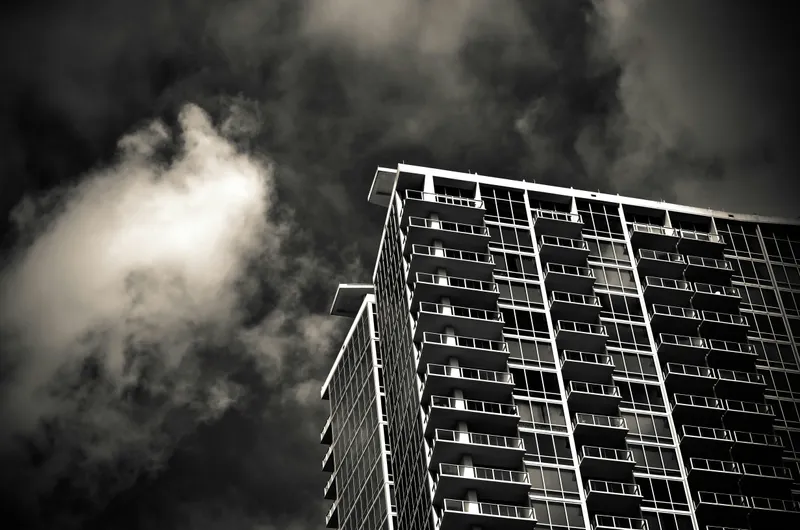
Mastering Grayscale Photography: Tips for Capturing Urban Architecture
Grayscale photography is more than just a technique; it's an art form that can elevate your photos by focusing on texture, light, and shape without the distraction of color. When it comes to urban architecture , grayscale can highlight the intricate details of buildings and the interplay of light and shadow. In this article, we’ll explore essential photography tips for capturing stunning building photography in black and white, especially under the dramatic conditions of cloudy sky photography.