Capturing Wildlife: Tips for Photographing Animals in Snowy Landscapes
Capturing Wildlife: Tips for Photographing Animals in Snowy Landscapes
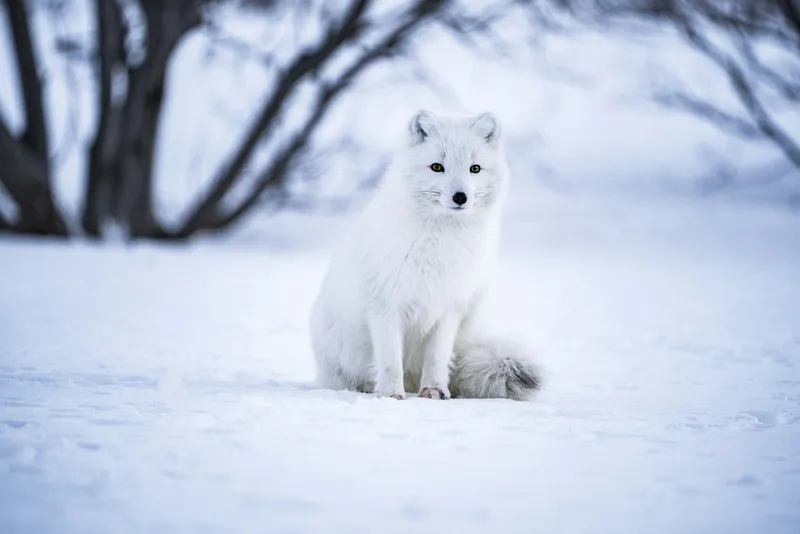
Wildlife photography in snowy landscapes presents both challenges and breathtaking rewards. The pristine white backdrop of snow not only enhances the beauty of your subjects but also provides unique opportunities for creating stunning images. Whether you're a seasoned photographer or just starting in outdoor photography , these photography tips will help you capture the magic of wildlife in winter.
Understanding Your Environment
Before you embark on your wildlife photography adventure, it’s crucial to understand the snowy environment. Snow can reflect a significant amount of light, which may affect your camera settings. Familiarize yourself with how snow interacts with your exposure settings:
- Compensate for Brightness : Snow can trick your camera’s metering system into underexposing your images. To counter this, use exposure compensation and increase your exposure by 1-2 stops.
- White Balance : Shooting in snowy conditions can introduce a bluish tint in your photos. Set your camera's white balance to 'Cloudy' or adjust it manually to achieve the right color temperature.
Choosing the Right Equipment
Having the right photography equipment is essential for successful wildlife photography in winter. Here are some recommendations:
- Camera Body : A DSLR or mirrorless camera with good low-light performance will help you capture sharp images in the often-overcast winter weather.
- Lenses : A telephoto lens (200mm or longer) is ideal for wildlife photography, allowing you to capture animals from a distance without disturbing them. A lens with a wide aperture (f/2.8 or f/4) is also beneficial for low-light situations.
- Tripod or Monopod : Stability is key when photographing wildlife, especially in snowy conditions. A sturdy tripod or a monopod can help you maintain sharpness while shooting at slower shutter speeds.
- Weather Protection : Ensure that your gear is weather-sealed or invest in rain covers to protect your camera and lenses from moisture and snow.
Finding Wildlife in Snowy Landscapes
To successfully photograph wildlife in snowy environments, you need to know where to look:
- Tracks and Signs : Pay attention to animal tracks in the snow. They can lead you to the animals themselves or indicate their frequent paths, increasing your chances of a sighting.
- Feeding Areas : Animals tend to gather in areas where food is accessible. Look for places with exposed vegetation or where animals have been active.
- Time of Day : Early mornings and late afternoons are often the best times to find wildlife as they are more active during these hours. The soft light during these times also enhances your outdoor photography.
Techniques for Capturing the Perfect Shot
When you finally spot your subject, remember these photography tips :
- Focus on the Eyes : The eyes are the most critical part of any wildlife photograph. Ensure they are sharp and well-lit, as they draw the viewer's attention.
- Use Selective Focus : For instance, when photographing a gray wolf in a snowy field, use selective focus to create a beautiful bokeh effect while keeping the wolf in sharp focus. This technique adds depth to your images, making the subject stand out against the snowy backdrop.
- Patience is Key : Wildlife photography requires patience. Spend time observing animal behavior to anticipate their movements, ensuring you are ready to take the shot at the right moment.
Post-Processing Tips
After capturing stunning images of wildlife in snow, post-processing is where you can enhance your photos further:
- Adjust Exposure and Contrast : Fine-tune the exposure and contrast to bring out details that may have been lost in the bright snow.
- Sharpening : Apply sharpening selectively to the eyes and the fur of the animal to draw attention to your subject.
- Color Correction : Adjust the colors to ensure the whites are truly white and the overall tone reflects the beauty of the snowy landscape.
Conclusion
Wildlife photography in snowy landscapes offers a unique opportunity to capture stunning images of nature. By understanding your environment, choosing the right equipment, and employing effective techniques, you can create breathtaking photographs that celebrate the beauty of animals against the serene backdrop of snow. Remember to practice patience and respect nature, and you will be rewarded with incredible images that showcase the wonder of the wild.
Related articles
Capturing the Essence of Nature: Tips for Photographing Wildlife Statues
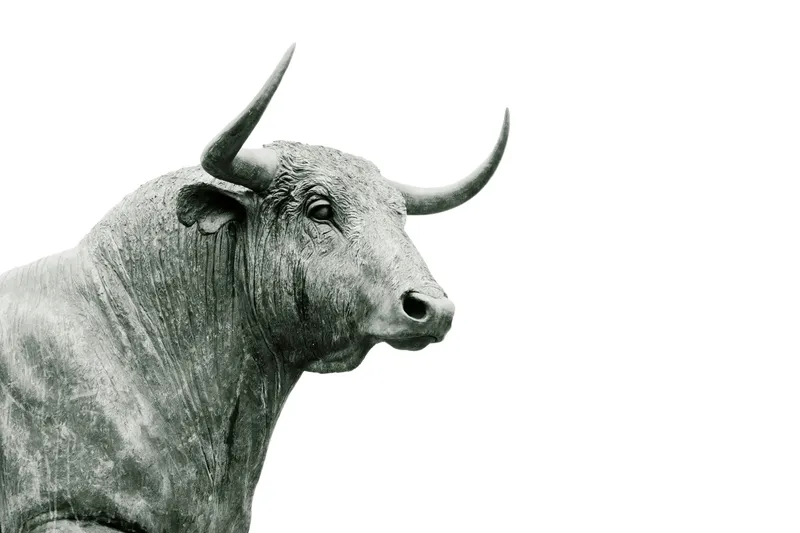
Wildlife photography is a captivating genre that allows photographers to connect with the natural world. However, when the weather doesn't cooperate, or if you find yourself in an urban environment, wildlife statues can provide the perfect alternative for your outdoor photography pursuits. In this article, we'll explore essential photography tips to help you effectively capture the beauty of statue photography , particularly when it comes to wildlife-themed sculptures.
Capturing Nature: Best Photography Techniques for Cliff Landscapes
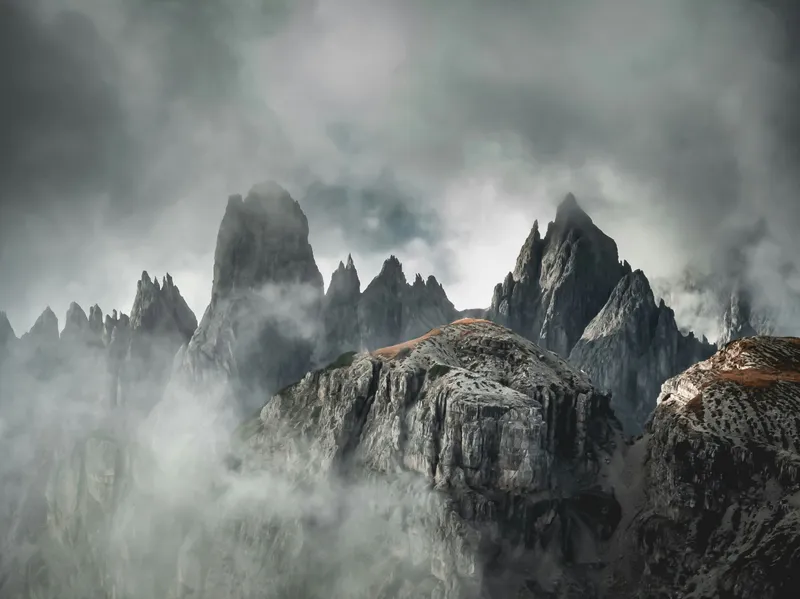
Are you an enthusiast of outdoorphotography? Do you love to explore the breathtaking beauty of nature? If so, capturing the majestic cliff landscapes should be at the top of your photography list. With the right equipment and techniques , you can immortalize the stunning views that cliffs offer. In this article, we will delve into the best practices for photographing these natural wonders.
Techniques for Capturing Reflective Landscapes in Photography
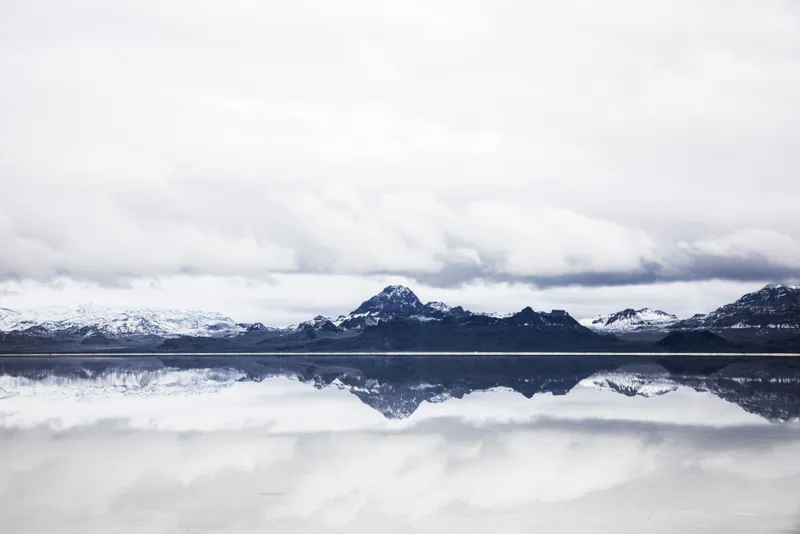
Capturing the beauty of reflective landscapes is a rewarding challenge for photographers. Utilizing effective photography techniques can transform ordinary scenes into extraordinary works of art. In this article, we will explore various strategies tailored for landscape photography , focusing on the interplay of reflection in nature.
Explore these topics
- photography-tips(133)
- outdoor-photography(29)
- nature(11)
- wildlife-photography(9)