Capturing Nature: Best Photography Techniques for Cliff Landscapes
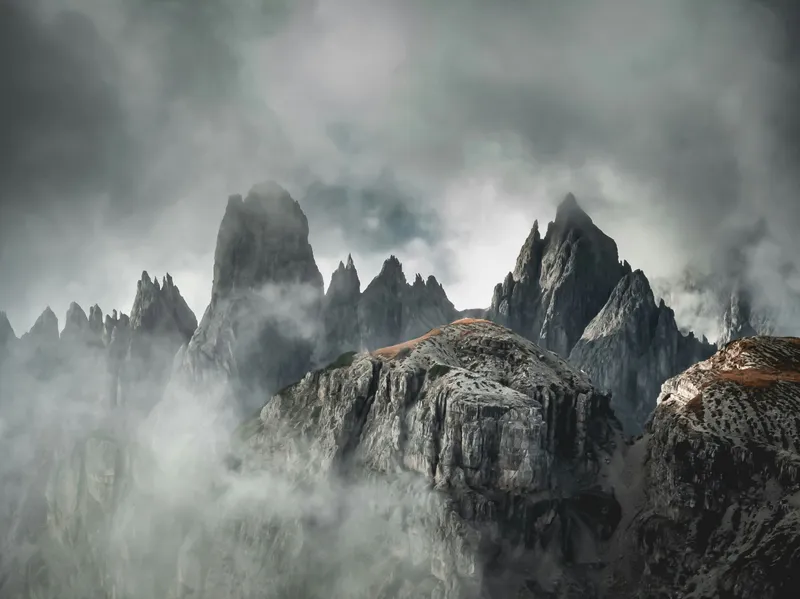
Capturing Nature: Best Photography Techniques for Cliff Landscapes
Are you an enthusiast of outdoorphotography? Do you love to explore the breathtaking beauty of nature? If so, capturing the majestic cliff landscapes should be at the top of your photography list. With the right equipment and techniques , you can immortalize the stunning views that cliffs offer. In this article, we will delve into the best practices for photographing these natural wonders.
Understanding Cliff Landscapes
Cliffs are not only dramatic features of the landscape but also present unique challenges and opportunities for photographers. The interplay of light, shadows, and textures can create striking images that evoke emotion and awe. Before you head out, ensure you have the right photography gear to capture the scene effectively.
Essential Equipment for Cliff Photography
- Camera : A DSLR or mirrorless camera is ideal for landscape photography. Look for models with good low-light performance, as cliffs often have varying light conditions.
- Lenses : A wide-angle lens (16-35mm) is perfect for capturing expansive views. Additionally, a telephoto lens (70-200mm) can help isolate features in the landscape, adding depth to your images.
- Tripod : Stability is key when shooting in challenging conditions. A sturdy tripod will allow you to make longer exposures without introducing blur.
- ND Filters : Neutral density filters can help manage exposure in bright conditions, allowing you to achieve the desired motion blur in water or clouds while maintaining detail in the cliffs.
- Remote Shutter Release : To avoid camera shake, use a remote shutter release or the camera's timer function.
Techniques for Capturing Cliff Landscapes
1. Composition Matters
- Use the rule of thirds to create balanced and engaging compositions. Place the cliff on one side of the frame and the horizon on the other.
- Look for natural leading lines, such as paths or water flows, that draw the viewer's eye towards the cliff.
2. Golden Hour Magic
- The best time for nature photography is during the golden hour—just after sunrise or before sunset—when the light is soft and warm. The shadows cast by the cliffs during these times can enhance their texture and depth.
3. Focus on Details
- Don’t forget to capture the smaller elements surrounding the cliffs. Selective focusphotography of the vegetation or rocks in the foreground can add context and interest to your images.
4. Experiment with Angles
- Change your perspective by shooting from different heights and distances. Climbing a bit higher can give you an aerial view, while getting low can emphasize the cliffs' imposing scale.
5. Long ExposureTechniques
- Use long exposure to smooth out the water if you're near a coastline. This technique can create a dreamy effect that contrasts beautifully with the rugged cliffs.
Post-Processing Tips
After capturing your images, consider using editing software to enhance them. Adjust the contrast, saturation, and sharpness to make the cliffs pop. Consider converting some of your shots to black and white to emphasize texture and form.
Conclusion
Capturing cliff landscapes can be incredibly rewarding when you apply the right techniques and equipment. Remember to appreciate the beauty around you while experimenting with different perspectives and settings. Happy shooting, and may your outdoor photography adventures be filled with stunning captures!
Image Description: Selective focusphotography of cliffs
Related articles
Capturing Motion: Techniques for Stunning Sunset Photography
Sunset photography is a captivating genre that allows photographers to explore the beauty of nature while employing various techniques to enhance their shots. When combined with the ocean , these idyllic moments can create breathtaking images that evoke emotion and wonder. In this article, we will delve into essential techniques for capturing motion during sunsets, particularly in landscape and panoramic compositions.
Aerial Photography: Capturing the Beauty of Mountain Landscapes
Aerial photography has transformed the way we perceive our planet, offering breathtaking aerial views that were once reserved for the privileged few who could afford to charter a plane or helicopter. Today, with advancements in photography and videography equipment, anyone can capture stunning images of mountain ranges and lush landscapes from above.
Capturing the Beauty of Desert Wildlife
Deserts, often perceived as barren landscapes, are teeming with life and offer a unique opportunity for photography enthusiasts to capture the elusive beauty of wildlife. From the striking contrast of colors in the landscape to the fascinating creatures that inhabit these arid regions, the desert is a treasure trove for those equipped with the right equipment. In this article, we will explore how to effectively capture the stunning beauty of desert wildlife.
Explore these topics
- photography(38)
- outdoor-photography(29)
- landscape(22)
- equipment(15)
- nature(11)