Capturing Wildlife: Tips for Photographing Birds in Their Natural Habitat
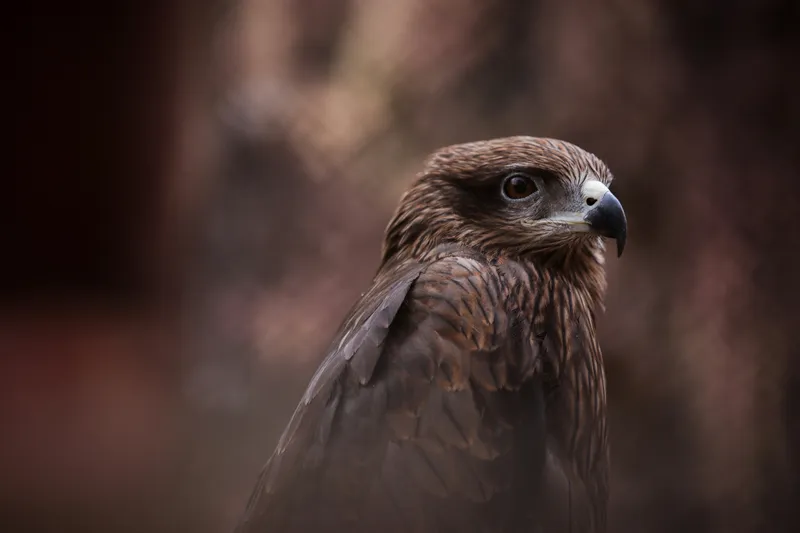
Capturing Wildlife: Tips for Photographing Birds in Their Natural Habitat
Wildlife photography, especially birding photography , is a thrilling pursuit that allows photographers to connect with nature and capture the beauty of avian creatures in their natural habitats. Whether you're aiming to photograph a majestic black kite soaring through the sky or a small sparrow perched delicately on a branch, understanding the right techniques and settings is crucial for achieving stunning results. Here are some essential photography tips for capturing birds in the wild.
1. Choose the Right Equipment
Investing in the right photography and videography equipment is paramount for successful wildlife photography. A camera with fast autofocus and a high frame rate will significantly enhance your chances of capturing quick movements. A telephoto lens, ideally in the range of 200mm to 600mm, allows you to photograph birds from a distance without disturbing them.
Recommended Gear:
- Camera : A DSLR or mirrorless camera with good low-light performance.
- Lens : A telephoto lens (200mm - 600mm) for close-ups.
- Tripod : A sturdy tripod or monopod to stabilize your shots, especially in low-light conditions.
2. Master Your Camera Settings
Understanding your camera settings is crucial for capturing sharp, well-exposed images. Here are some key settings to consider:
- Shutter Speed : A fast shutter speed (1/1000 sec or faster) is essential for freezing the action as birds move quickly.
- Aperture : Use a wide aperture (f/4 or f/5.6) to create a shallow depth of field, isolating the bird from its background.
- ISO : Keep your ISO as low as possible for better image quality, but be prepared to increase it in low-light conditions to maintain a fast shutter speed.
- Continuous Shooting Mode : Enable burst mode to capture a series of images quickly, increasing your chances of getting the perfect shot.
3. Understand Bird Behavior
To capture stunning images of birds, it's essential to have a basic understanding of their behavior. Spend time observing your subjects to learn their habits, feeding patterns, and preferred perches. This knowledge will help you anticipate their movements and position yourself for the best shot.
4. Be Patient and Respectful
Wildlife photography requires a great deal of patience. Birds may take time to appear, and you might need to wait quietly in your chosen spot. Always remember to respect their environment. Avoid getting too close, as this can disturb their natural behavior. Instead, use a longer lens to capture them from a distance.
5. Utilize Natural Light
The best times for birding photography are during the golden hours—early morning and late afternoon—when the light is soft and warm. Avoid harsh midday sun that can create unflattering shadows. If you’re shooting in bright sunlight, consider using a lens hood to reduce glare and lens flare.
6. Composition Techniques
When composing your shots, consider the following techniques:
- Rule of Thirds : Position the bird off-center to create a more engaging composition.
- Leading Lines : Use natural elements such as branches or pathways to lead the viewer's eye to the bird.
- Background : Pay attention to the background; a clean, unobtrusive background will make your subject stand out.
7. Post-Processing
After capturing your images, spend time in post-processing to enhance the final result. Adjusting exposure, contrast, and sharpness can make a significant difference. Always keep in mind to respect the integrity of the image; avoid heavy manipulation that misrepresents the wildlife.
Conclusion
Photographing birds like the black kite in their natural habitats can be a rewarding experience. By following these photography tips and understanding the necessary camera settings , you can enhance your skills and create breathtaking images. Remember, wildlife photography is not just about the final image but also about the moments you experience in the wild. Happy birding photography!
Related articles
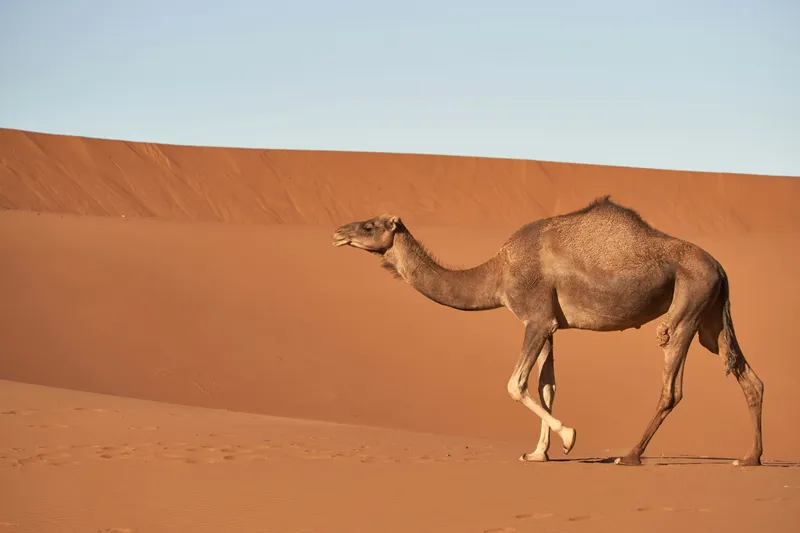
Capturing the Beauty of the Desert: Tips for Stunning Photography
The desert is a unique environment that offers breathtaking desert landscapes and a variety of subjects for photographers. From the vibrant colors of the sunset to the intricate patterns of sand dunes, the desert can be a photographer's paradise. In this article, we will explore essential photography tips specifically for capturing the stunning beauty of the desert, including techniques for shooting desert wildlife, dealing with heat haze , and optimizing your camera settings.
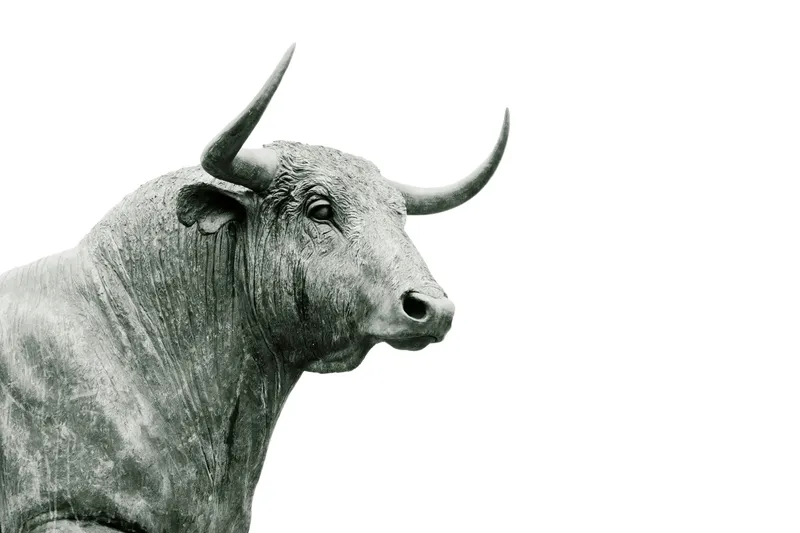
Capturing the Essence of Nature: Tips for Photographing Wildlife Statues
Wildlife photography is a captivating genre that allows photographers to connect with the natural world. However, when the weather doesn't cooperate, or if you find yourself in an urban environment, wildlife statues can provide the perfect alternative for your outdoor photography pursuits. In this article, we'll explore essential photography tips to help you effectively capture the beauty of statue photography , particularly when it comes to wildlife-themed sculptures.
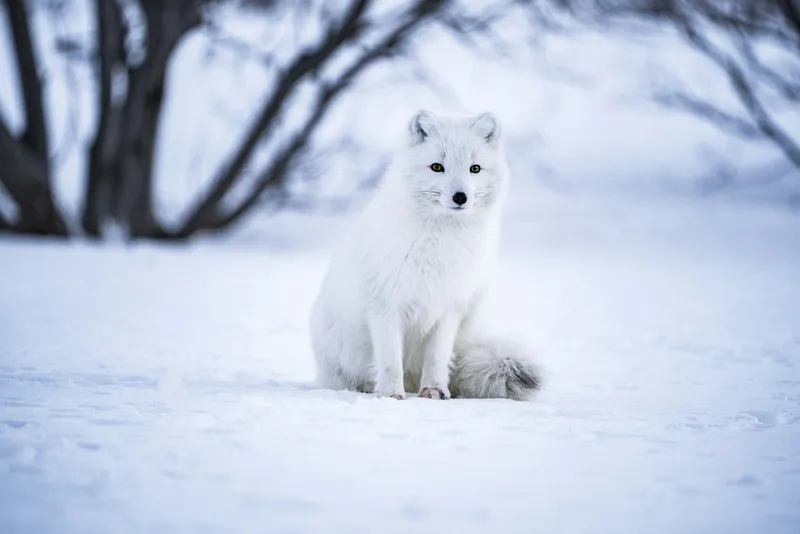
Capturing Wildlife: Tips for Photographing Animals in Snowy Landscapes
Wildlife photography in snowy landscapes presents both challenges and breathtaking rewards. The pristine white backdrop of snow not only enhances the beauty of your subjects but also provides unique opportunities for creating stunning images. Whether you're a seasoned photographer or just starting in outdoor photography , these photography tips will help you capture the magic of wildlife in winter.