Capturing the Perfect Sunset: Tips for Photographers
Capturing the Perfect Sunset: Tips for Photographers
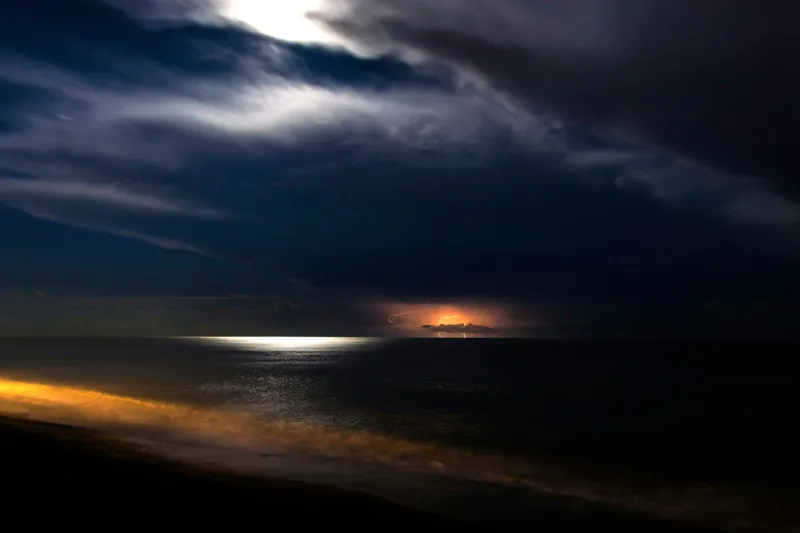
Sunsets are one of nature's most breathtaking spectacles, offering a canvas painted with vibrant hues that change from orange to purple as the day fades into night. For photographers, capturing the perfectsunset is both an art and a science. Whether you’re into landscapephotography or videography , the golden hour presents an excellent opportunity to enhance your skills and add stunning visuals to your portfolio. Here are some essential tips to help you make the most of your sunset photography sessions.
1. Timing is Everything
The golden hour occurs shortly before sunset and shortly after sunrise, providing soft, diffused lighting that makes for stunning photographs. Arrive at your location early to scout the best vantage points, and keep an eye on the clock—sunsets can be fleeting, so timing is everything!
2. Choose the Right Location
Find a location with an unobstructed view of the horizon. A body of water at nighttime can reflect the colors of the sunset beautifully, adding depth and intrigue to your shots. Consider beaches, hills, or rooftops that offer a panoramic view of the sky.
3. Use the Right Equipment
For landscapephotography and videography , having the right equipment can make a significant difference. Here are some essentials:
- Camera : A DSLR or mirrorless camera will provide the best image quality, but don’t underestimate the power of a smartphone with good camera specs.
- Tripod : A sturdy tripod is crucial for keeping your camera stable, especially in low light conditions.
- Filters : Graduated neutral density filters can help balance the bright sky with the darker landscape, giving your images a more natural look.
4. Compose Your Shot
When composing your sunset shot, apply the rule of thirds to create a balanced image. Place the horizon line in the upper or lower third of your frame rather than in the center. Include foreground elements like trees, rocks, or water to lead the viewer's eye into the scene.
5. Experiment with Settings
Experiment with different camera settings to see what works best for the conditions.
- ISO : Keep your ISO low (100-200) to minimize noise in your photos.
- Aperture : A higher f-stop (like f/8 to f/16) will keep more of the scene in focus, which is particularly useful in landscapephotography.
- Shutter Speed : As the sun sets, you may need to adjust your shutter speed to capture the colors without overexposing the highlights in the sky.
6. Post-Processing
Post-processing can elevate your sunset shots to a professional level. Use software like Adobe Lightroom or Photoshop to adjust exposure, contrast, and saturation. Enhancing the colors can bring out the vibrancy of the sunset and make your photographs pop.
7. Don’t Forget Videography
If you’re also interested in videography , consider capturing a time-lapse of the sunset. Set your camera on a tripod and take a series of shots at intervals. Later, compile them to show the progression of colors and light. This technique can create an engaging visual experience for your audience.
Conclusion
Capturing the perfect sunset takes practice, patience, and the right equipment. By following these tips, you’ll be well on your way to creating stunning sunset photographs that showcase the beauty of nature. Remember, every sunset is unique, so embrace the moment and let your creativity shine! Happy shooting!
Related articles
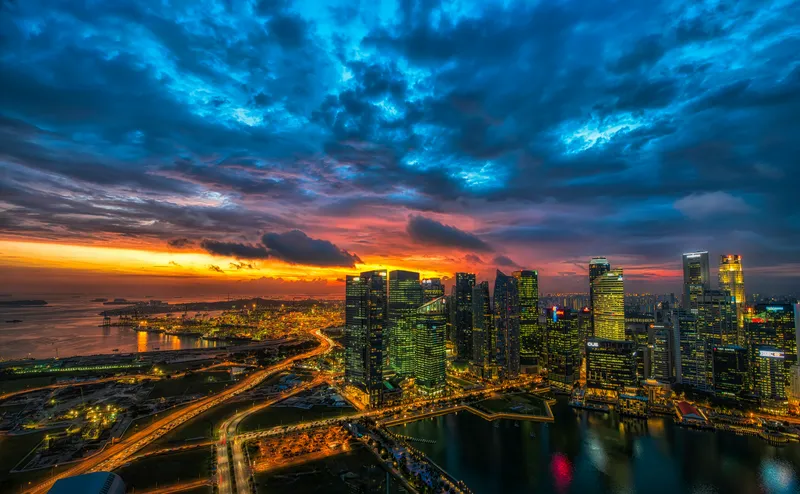
Capturing the Golden Hour: Tips for Urban Photography
The golden hour is a photographer's dream, especially when it comes to urban environments. This magical time, shortly after sunrise or before sunset, bathes skyscrapers and cityscapes in a warm, soft light that can transform even the most mundane scenes into breathtaking images. In this article, we will explore essential tips for capturing stunning photographs during the golden hour , particularly in urban settings.
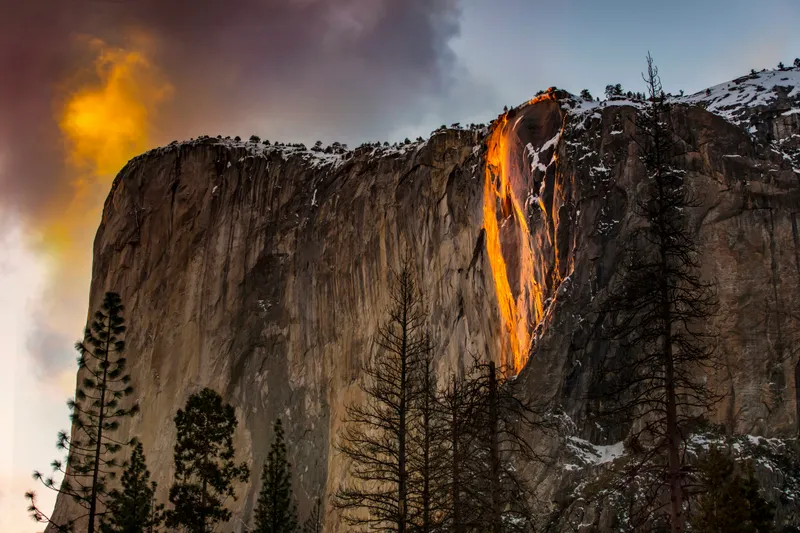
Capturing the Majesty of Lava: Tips for Photographers
When it comes to naturephotography, few subjects can rival the raw power and beauty of lava flows. The dynamic interplay of light, color, and texture makes volcanic landscapes incredibly captivating. Whether you’re a seasoned photographer or just starting in landscape photography, capturing the essence of lava can be a rewarding challenge. Here are some essential tips to help you document these awe-inspiring natural phenomena effectively.
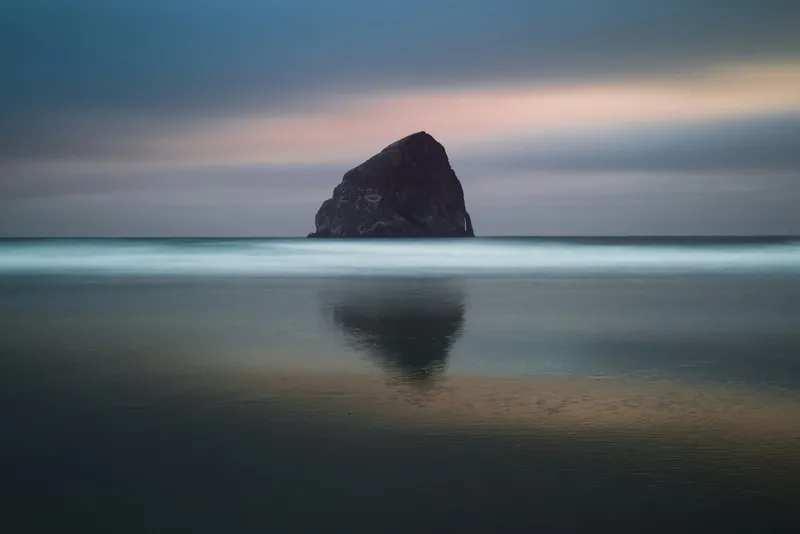
Capturing the Sunset: Tips for Photography in Coastal Landscapes
When it comes to photography and videography , few moments are as magical as a sunset over the coastal landscape. The vibrant colors, the soft light, and the vast canvas of the ocean create an opportunity for stunning imagery. If you’re looking to elevate your skills and make the most of your gear , here are some essential tips for capturing that perfect sunset shot.
Explore these topics
- landscape-photography(83)
- photography(38)
- videography(23)
- sunset(13)
- golden-hour(9)