Capturing the Majesty of Lava: Tips for Photographers
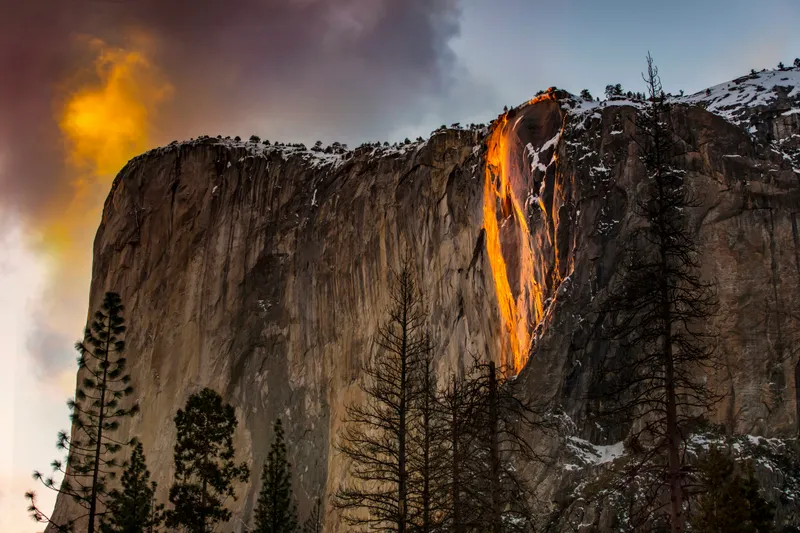
Capturing the Majesty of Lava: Tips for Photographers
When it comes to naturephotography, few subjects can rival the raw power and beauty of lava flows. The dynamic interplay of light, color, and texture makes volcanic landscapes incredibly captivating. Whether you’re a seasoned photographer or just starting in landscape photography, capturing the essence of lava can be a rewarding challenge. Here are some essential tips to help you document these awe-inspiring natural phenomena effectively.
1. Choose the Right Time of Day
Lighting can make or break your photography. For volcanic landscapes, sunrise and sunset offer the most dramatic lighting conditions. The warm tones of the golden hour can enhance the vibrant colors of molten lava and highlight the textures of the rock formations. Consider planning your shoots around these times to capture the best possible images.
2. Use a Tripod for Stability
When photographing moving lava or long exposures, stability is crucial. A sturdy tripod will help you keep your camera steady, especially in low-light conditions during dawn or dusk. This stability allows you to use slower shutter speeds, which can create beautiful effects with flowing lava. Additionally, a tripod is essential for videography as it ensures smooth footage without shaky movements.
3. Experiment with Different Angles
Lava flows can look vastly different depending on your vantage point. Don't hesitate to explore various angles and compositions. Low-angle shots can accentuate the flow of the lava, making it appear grander and more powerful. Alternatively, a high vantage point can provide a sweeping view of the landscape, showcasing the vastness of the volcanic terrain. Always keep your creative instincts alive and experiment!
4. Protect Your Equipment
Lava photography often involves working in harsh conditions, including volcanic ash and heat. Use protective filters on your lenses to shield them from debris and scratches. Additionally, consider using weather-sealed cameras and lenses to prevent damage. Always have a cleaning kit handy to wipe off any ash that may settle on your equipment.
5. Capture the Details
While wide shots of lava flows can be stunning, don’t forget to capture the intricate details. Close-up shots of the textures, patterns, and colors within the lava can provide a unique perspective. Use a macro lens to highlight the small features that tell the story of the volcanic activity. These detailed images can add depth to your portfolio of landscape photography.
6. Use Filters Wisely
Filters can significantly enhance your naturephotography. A polarizing filter can help reduce glare and enhance the colors of the lava and surrounding landscape. Neutral density (ND) filters are also beneficial for long exposure shots, allowing you to blur the motion of flowing lava while maintaining detail in the rest of your composition.
7. Post-Processing Techniques
Editing is an integral part of modern photography. Use software like Adobe Lightroom or Photoshop to enhance your images after the shoot. Adjusting the contrast, saturation, and sharpness can help bring out the vivid colors of the lava and the surrounding landscape. Be careful not to over-process; the goal is to maintain the natural beauty of the scene.
Conclusion
Capturing the majestic beauty of lava requires patience, skill, and the right equipment. By utilizing these camera tips , you can create stunning images that showcase the power of nature. Remember to respect the environment and prioritize safety while exploring volcanic areas. With the right approach, your landscape photography will not only tell a story but also inspire others to appreciate the wonders of our planet. Happy shooting!
Related articles
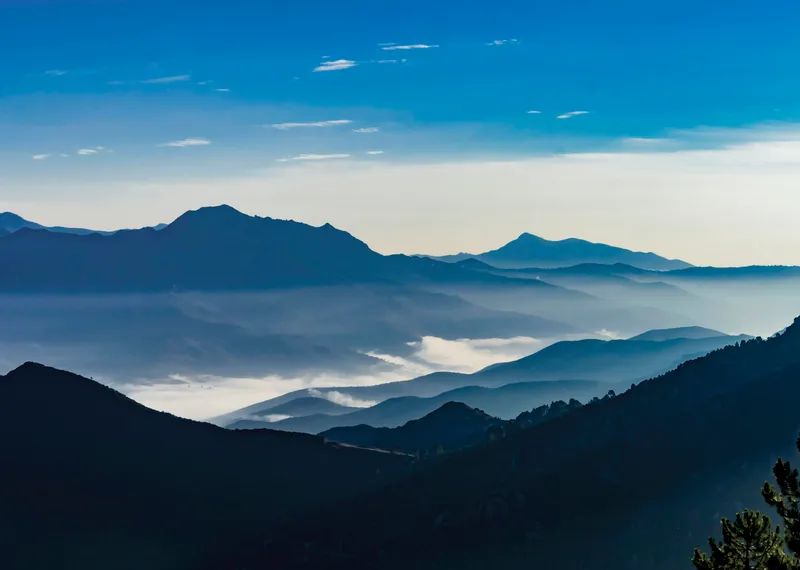
Capturing the Magic of Sunrise: Tips for Landscape Photography
Sunrise is one of nature’s most breathtaking spectacles, offering a unique opportunity for landscape photography enthusiasts to capture stunning scenery. The soft hues of morning light can transform ordinary landscapes into extraordinary images. In this article, we will explore essential camera tips to help you make the most of your photography at sunrise.
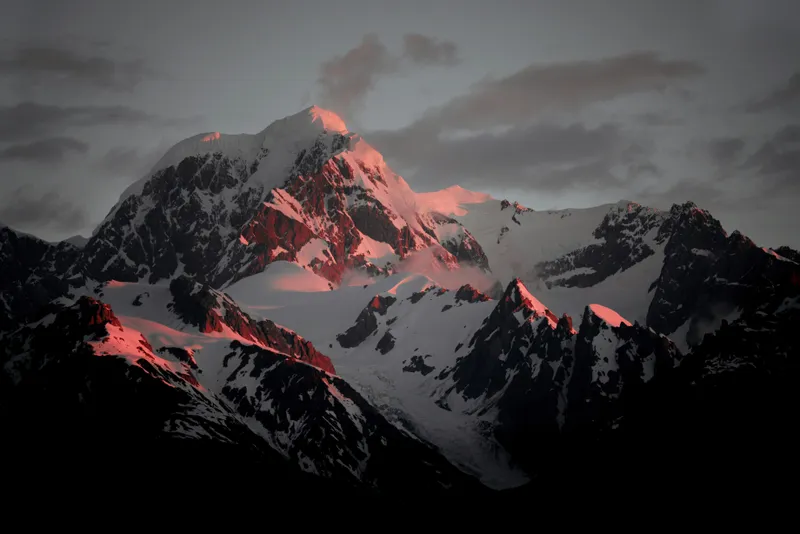
Capturing the Perfect Sunrise: Tips for Landscape Photography
Sunrise is one of the most magical times for landscape photography. The soft, golden light casts a warm glow over the scenery , enhancing colors and creating dramatic contrasts that can elevate your images to new heights. If you're eager to capture stunning sunrises, here are some essential tips to optimize your photography experience.
Capturing the Perfect Sunset: Tips for Stunning Landscape Photography
Sunsets are one of nature's most beautiful spectacles, offering a vibrant palette of colors that can transform any landscape into a breathtaking scene. For photographers and videographers alike, capturing the perfect sunset can be a rewarding experience, especially when equipped with the right photography gear and techniques. In this article, we'll share essential camera tips to help you seize that stunning sunset moment, whether you're by the ocean or overlooking the picturesque English…
Explore these topics
- nature-photography(42)
- photography(38)
- videography(23)
- landscape(22)
- sunset(13)