Capturing the Aurora: Tips for Stunning Northern Lights Photography
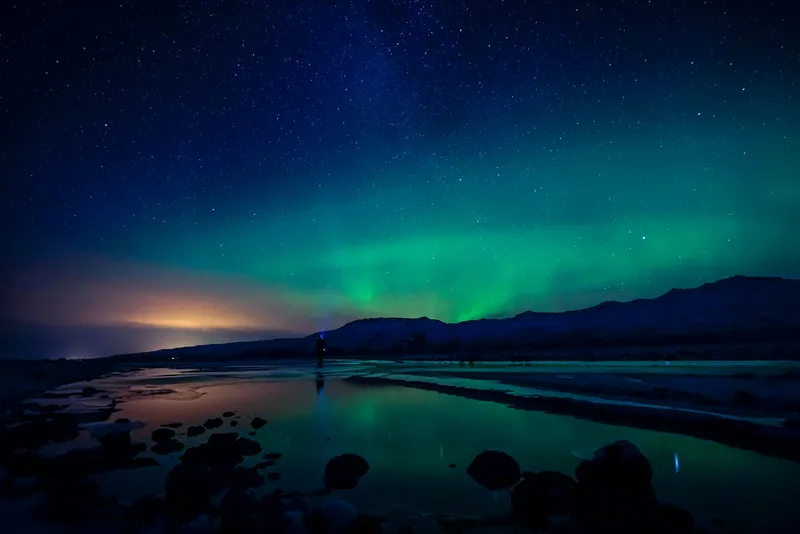
Capturing the Aurora: Tips for Stunning Northern Lights Photography
The aurora borealis is one of nature's most breathtaking spectacles, drawing photographers from all over the globe to witness and capture its ethereal beauty. However, photographing this celestial phenomenon can be challenging due to various environmental factors. In this article, we’ll explore essential photography tips to help you master night photography of the northern lights while minimizing the effects of light pollution.
Understanding the Aurora Borealis
The aurora borealis , commonly known as the northern lights, occurs when charged particles from the sun collide with gases in Earth’s atmosphere. This results in stunning displays of colorful lights dancing across the night sky, typically visible in high-latitude regions. To successfully capture this incredible phenomenon, preparation is crucial.
Essential Gear for Aurora Photography
To get started, you’ll need the right photography equipment. Here’s a list of essentials:
- Camera : A DSLR or mirrorless camera with manual settings is ideal.
- Lens : A wide-angle lens (f/2.8 or wider) allows more light to enter, which is essential for low-light conditions.
- Tripod : A sturdy tripod is crucial for stability during long exposure shots.
- Remote shutter release : This helps avoid camera shake when taking photos.
- Extra batteries : Cold temperatures can drain batteries quickly, so bring extras.
Tips for Capturing Stunning Northern Lights Photos
1. Find the Right Location
To avoid light pollution , seek out remote areas with minimal artificial lighting. National parks or rural landscapes often provide the best backdrops for aurora borealis photography. Look for locations with interesting foreground elements such as lakes, mountains, or trees to enhance your composition.
2. Check Aurora Forecasts
Stay updated with aurora forecasts and apps that predict the likelihood of auroral activity. Websites like NOAA’s Space Weather Prediction Center can provide real-time data on aurora activity to help you plan your shoot.
3. Use a Wide Aperture
Set your lens to its widest aperture (f/2.8 or lower) to allow maximum light to enter your camera. This is vital for capturing the faint colors of the northern lights in night photography.
4. Experiment with ISO Settings
Start with an ISO of around 800 to 1600, depending on your camera's performance in low light. If your images are too dark, increase the ISO, but be cautious of introducing noise into your photos.
5. Long Exposure Technique
Use long exposure techniques to capture the movement of the aurora borealis. Start with exposure times around 5 to 15 seconds. Longer exposures will create more vibrant images but be cautious of overexposing the lights.
6. Focus Manually
Autofocus can struggle in low light, so switch to manual focus. Use your camera's live view feature to zoom in on a distant light or star to achieve precise focus.
7. Take Test Shots
Before committing to a long exposure, take test shots with different settings to understand how the aurora borealis appears in your images. Adjust your camera settings based on the results.
8. Consider Composition
Incorporate captivating foreground elements into your shots. A photography scene featuring an aurora borealis over a body of water and mountains can create a stunning landscape. Use the rule of thirds to position the horizon and the aurora effectively.
9. Post-Processing
Don’t hesitate to enhance your images during post-processing. Adjust the contrast, vibrancy, and sharpness to bring out the colors of the northern lights while maintaining a natural look.
Conclusion
Capturing the mesmerizing display of the aurora borealis can be a rewarding experience for photographers. By following these photography tips and utilizing the right equipment, you can create stunning images that tell the story of this remarkable natural wonder. Remember to keep an eye on weather conditions, scout for ideal locations, and prepare for an unforgettable adventure under the night sky. Happy shooting!
Related articles
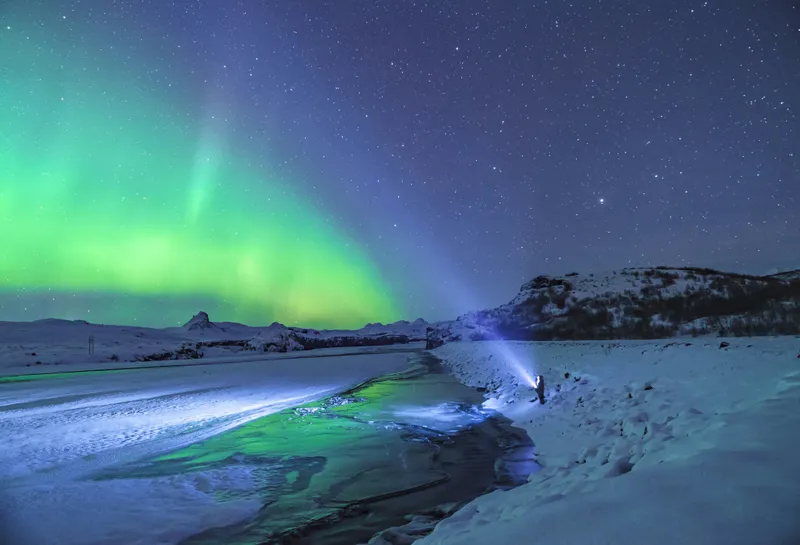
Capturing the Aurora: Tips for Night Photography
The aurora borealis , often referred to as the Northern Lights, is one of nature's most breathtaking displays. For photography enthusiasts, capturing this mesmerizing phenomenon can be both thrilling and challenging. Here are some essential photography tips to help you achieve stunning results when shooting the aurora.
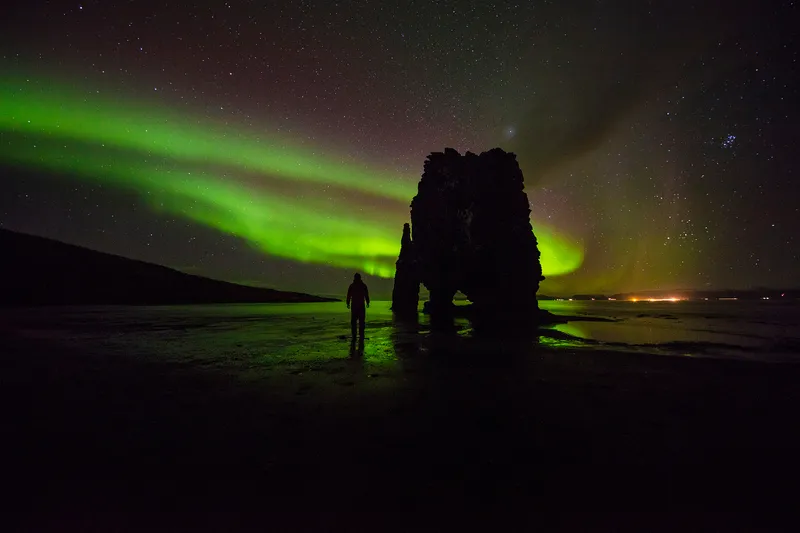
Capturing the Aurora Borealis: Best Cameras and Techniques
The Aurora Borealis , or Northern Lights, is one of nature's most breathtaking phenomena, captivating photographers and travelers alike. If you’re planning a trip to Iceland or any other prime location for nightphotography, having the right camera equipment and techniques is crucial to capture this stunning display of colors. In this article, we'll explore the best cameras and tips for shooting the Aurora Borealis.
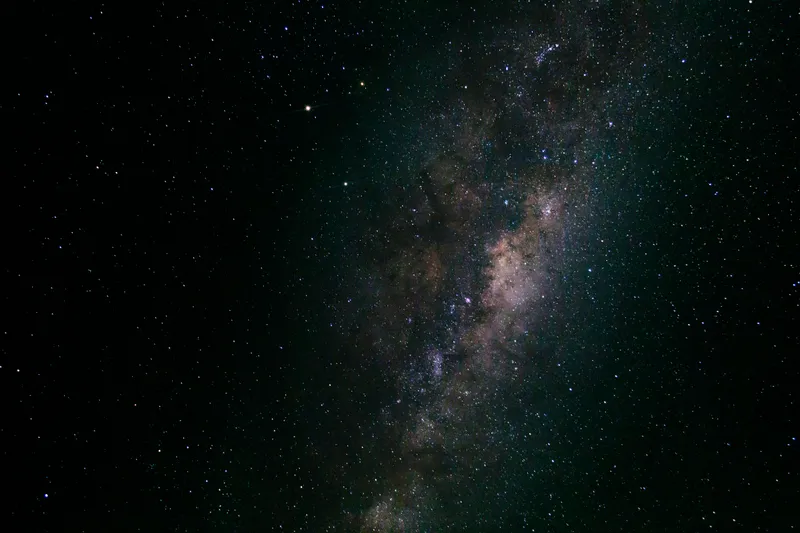
Capturing the Cosmos: Tips for Night Photography of the Milky Way
Night photography is a captivating genre that allows photographers to explore the beauty of the universe, especially the dazzling Milky Way. With the right camera settings and techniques, you can create stunning images of the galaxy during nighttime. This article will provide you with essential photography tips to enhance your night photography skills, as well as how to deal with light pollution that can obstruct your celestial views.