Capturing the Aurora Borealis: Best Cameras and Techniques
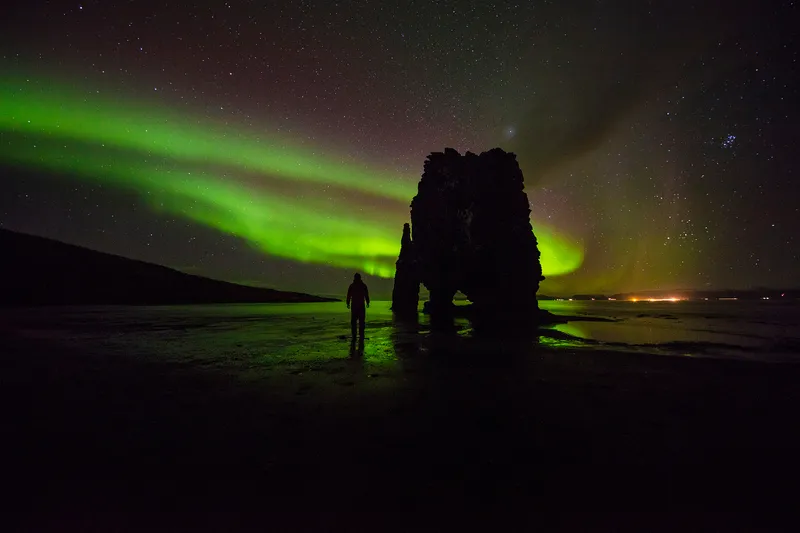
Capturing the Aurora Borealis : Best Cameras and Techniques
The Aurora Borealis , or Northern Lights, is one of nature's most breathtaking phenomena, captivating photographers and travelers alike. If you’re planning a trip to Iceland or any other prime location for nightphotography, having the right camera equipment and techniques is crucial to capture this stunning display of colors. In this article, we'll explore the best cameras and tips for shooting the Aurora Borealis.
Understanding the Aurora Borealis
Before diving into the camera equipment , it's essential to understand what the Aurora Borealis is. This natural light display occurs when charged particles from the sun collide with gases in the Earth’s atmosphere, resulting in vibrant colors that dance across the sky. The most common colors are green, pink, and purple, and the intensity and patterns can vary significantly.
Best Camera Equipment for Capturing the Aurora
1. Camera Types
- DSLR Cameras : Digital Single-Lens Reflex (DSLR) cameras are a popular choice among photographers due to their versatility and image quality. Models like the Canon EOS 5D Mark IV and Nikon D850 are excellent for nightphotography.
- Mirrorless Cameras : With advanced technology and lighter bodies, mirrorless cameras such as the Sony A7 III or Fujifilm X-T4 are fantastic alternatives, offering exceptional low-light performance.
2. Lenses
To capture the Aurora Borealis , a fast lens with a wide aperture is essential. Look for lenses with an f-stop of f/2.8 or lower. Some recommended lenses include:
- Canon EF 16-35mm f/2.8L III
- Nikon AF-S 14-24mm f/2.8G
- Sigma 14mm f/1.8 DG HSM
3. Tripods
Stabilization is key when shooting long exposures. A sturdy tripod will help you avoid any camera shake. Look for tripods that can withstand windy conditions, especially in open areas like Iceland.
4. Remote Shutter Release
Using a remote shutter release or the camera’s timer function can help minimize vibrations during long exposure shots. This is especially useful for capturing the Aurora Borealis without interference from camera movement.
Techniques for Capturing the Aurora Borealis
1. Long Exposure
To capture the ethereal beauty of the Aurora Borealis , utilize long exposure techniques. A typical exposure time ranges from 5 to 30 seconds. Here are a few tips:
- Use a low ISO setting (around 800-1600) to reduce noise in your images.
- Set your aperture to the widest setting (f/2.8 or wider).
- Use a slow shutter speed to allow more light to enter the lens.
2. Focus Manually
Autofocus might struggle in low-light conditions, so switch to manual focus. Focus on a distant light or a bright star to ensure your images are sharp.
3. Composition
Consider the foreground in your shots. Including elements like mountains, trees, or lakes can add depth to your photos. Experiment with different angles and compositions to create a more dynamic image.
4. Stay Warm and Patient
Capturing the Aurora Borealis can involve long waits in cold temperatures. Dress warmly, be patient, and keep an eye on the sky. The lights can appear and disappear quickly.
Conclusion
Capturing the Aurora Borealis is a rewarding experience for any photographer. With the right camera equipment and techniques, you can immortalize the breathtaking beauty of this natural phenomenon. Whether you’re using a DSLR , a mirrorless camera, or simply your smartphone, the key is to experiment and enjoy the magic of nightphotography in stunning locations like Iceland. Remember to check the local aurora forecasts and weather conditions to increase your chances of witnessing this spectacular display. Happy shooting!
Related articles
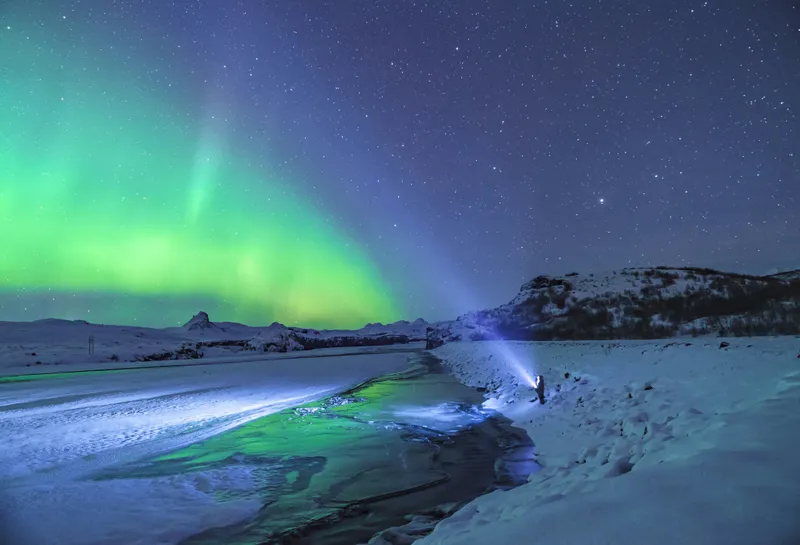
Capturing the Aurora: Tips for Night Photography
The aurora borealis , often referred to as the Northern Lights, is one of nature's most breathtaking displays. For photography enthusiasts, capturing this mesmerizing phenomenon can be both thrilling and challenging. Here are some essential photography tips to help you achieve stunning results when shooting the aurora.
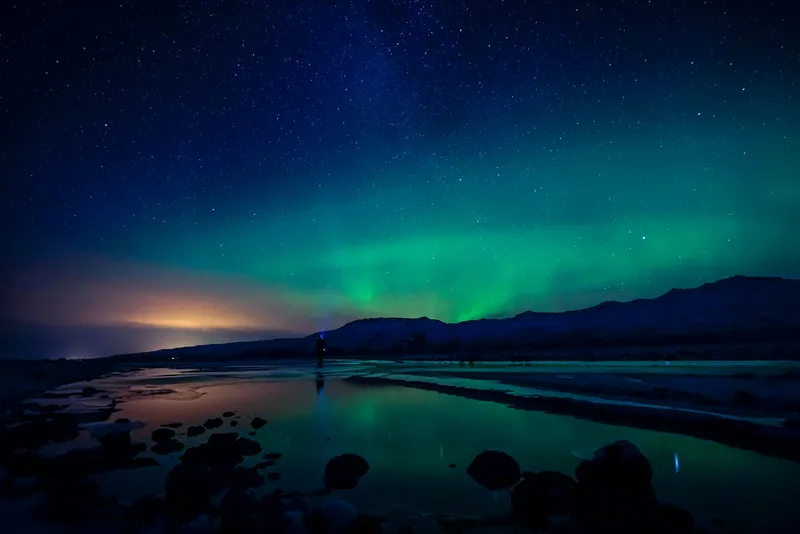
Capturing the Aurora: Tips for Stunning Northern Lights Photography
The aurora borealis is one of nature's most breathtaking spectacles, drawing photographers from all over the globe to witness and capture its ethereal beauty. However, photographing this celestial phenomenon can be challenging due to various environmental factors. In this article, we’ll explore essential photography tips to help you master night photography of the northern lights while minimizing the effects of light pollution.
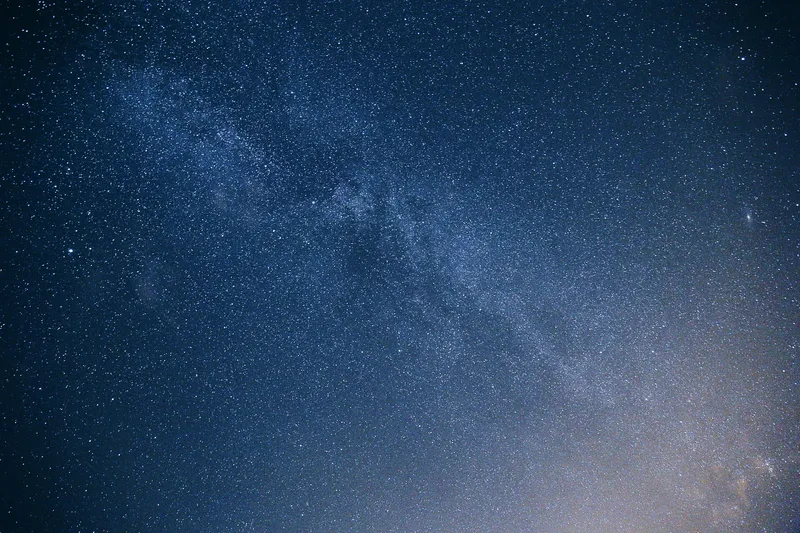
Capturing the Night: Tips for Photographing the Milky Way
Photographing the Milky Way can be one of the most rewarding experiences for both amateur and professional photographers. The beauty of the night sky, filled with countless stars and the shimmering band of our galaxy, offers a stunning backdrop for your photography. However, capturing this celestial wonder requires specific techniques and camera settings to ensure that your images truly shine.
Explore these topics
- photography(38)
- camera-equipment(36)
- night-photography(29)
- long-exposure(9)
- aurora-borealis(3)