Capturing the Perfect Lunar Eclipse: Tips for Low-Angle Photography
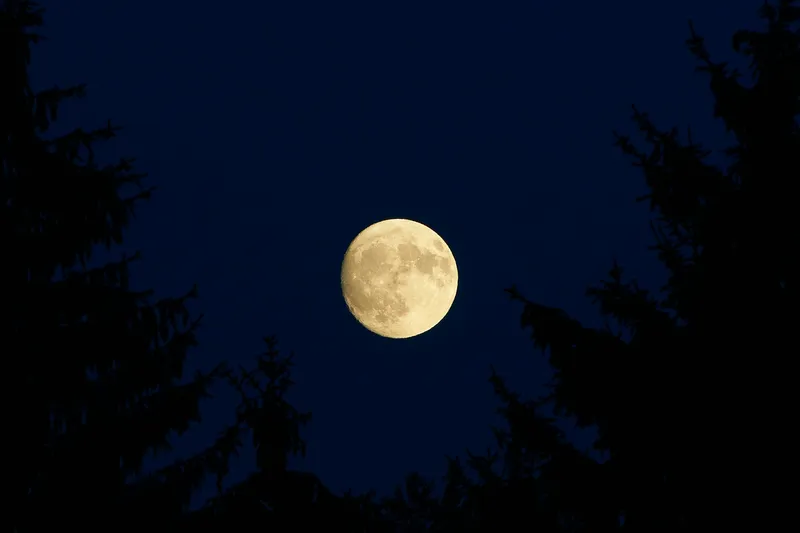
Capturing the Perfect Lunar Eclipse: Tips for Low-Angle Photography
The beauty of a lunar eclipse captivates many, offering a stunning spectacle that enthusiasts and casual observers alike cherish. If you're looking to capture this celestial event through your lens, especially from a low-angle shot , you’re in for an exciting challenge. This article shares essential photography tips that will help you create breathtaking images of the moon against a mesmerizing starry sky.
Understanding the Lunar Eclipse
A lunar eclipse occurs when the Earth passes between the Sun and the Moon, casting a shadow on the lunar surface. This phenomenon not only transforms the Moon's appearance but also creates a unique backdrop for night photography. Understanding the timing and phases of the eclipse will help you plan your shooting schedule effectively.
Gear Up for Success
Before heading out, ensure you have the right equipment for capturing stunning low-angle shots of the Moon:
- DSLR or Mirrorless Camera : A camera with manual settings will give you the flexibility needed for night photography.
- Tripod : Stability is crucial for long exposure shots, especially in low light conditions.
- Telephoto Lens : A lens with a focal length of 200mm or more will help you get closer to the Moon, making it more prominent in the frame.
- Remote Shutter Release : This will minimize camera shake when taking your shots.
Choosing the Right Location
When preparing for your low-angle shot, select a location that provides a clear view of the lunar eclipse without obstructions. Here are some tips:
- Scout Locations in Advance : Look for areas with low horizons and minimal light pollution. Elevated locations can also offer beautiful views of the starry sky.
- Consider Foreground Elements : Incorporating trees, buildings, or other landscape features can add depth and interest to your composition.
Timing is Everything
The lunar eclipse can last for several hours, but the best moments to capture are during the partial phases when the Moon begins to darken. Here’s a quick guide:
- Arrive Early : Set up your equipment well before the eclipse starts, allowing time for adjustments.
- Monitor the Progress : Keep an eye on the Moon's movement and adjust your angle and framing accordingly.
Photography Tips for Low-Angle Shots
- Shoot in Manual Mode : This allows you to control aperture, shutter speed, and ISO settings to suit the low-light environment.
- Use a Wide Aperture : An aperture of f/2.8 to f/4 can help gather more light, enhancing your exposure during the eclipse.
- Experiment with Shutter Speeds : A slow shutter speed (1-5 seconds) can create a beautiful blur effect with stars, while faster speeds will freeze the action of the Moon.
- Focus on the Moon : Use manual focus to ensure the Moon is sharp. Autofocus may struggle in low-light conditions.
- Take Multiple Shots : Capture a series of images to increase your chances of getting the perfect shot. This will also allow you to experiment with different exposures.
Post-Processing Tips
Once you’ve captured your lunar eclipse images, consider enhancing them with post-processing:
- Adjust Contrast and Brightness : This can help bring out details in the Moon and the surrounding night sky.
- Crop for Composition : If necessary, crop to enhance the framing of your low-angle shot.
- Reduce Noise : Use noise reduction tools to smooth out graininess that can occur in high-ISO images.
Conclusion
Capturing the perfect lunar eclipse with a focus on low-angle photography is a rewarding endeavor that requires preparation, the right equipment, and a bit of creativity. By following these photography tips and being patient, you can create stunning images that showcase the beauty of the Moon amidst a starry sky. So grab your gear, find your ideal spot, and get ready for a night of unforgettable photography!
Related articles
Capturing the Night: Tips for Photographing the Milky Way and Lunar Events
Photography at night can be both exhilarating and challenging. Whether you're aiming to capture the Milky Way or a stunning lunar eclipse , having the right photography tips and equipment is crucial for success. In this guide, we'll delve into essential techniques for night photography , ensuring you get breathtaking shots that showcase the beauty of the night sky.
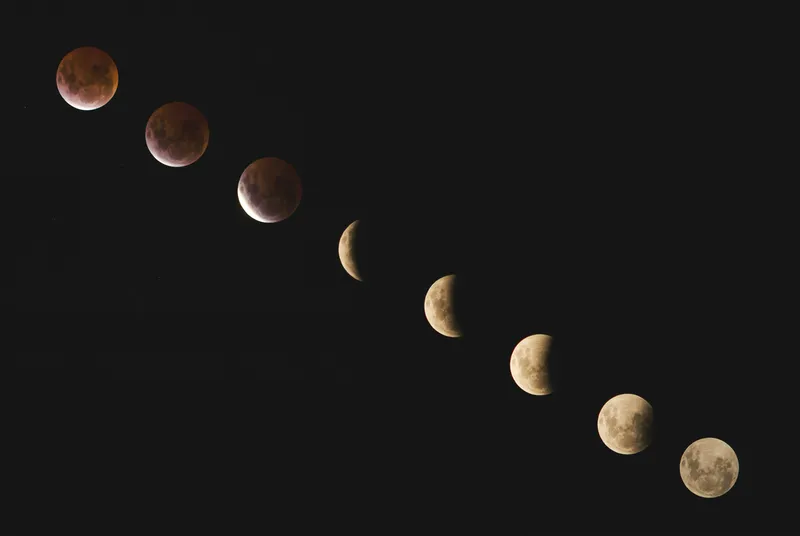
Capturing the Lunar Eclipse: A Guide to Time-Lapse Photography
A lunar eclipse is a breathtaking cosmic event that presents a unique opportunity for photographers and videographers alike. By using time-lapse photography , you can create stunning visual representations of the moon as it transitions through the earth’s shadow. In this guide, we’ll explore essential photography tips , the best camera settings , and equipment recommendations to help you capture the beauty of the moon during an eclipse.
Capturing the Night: Tips for Nighttime Photography in the Wilderness
Night photography can be one of the most rewarding yet challenging forms of nature photography. With the right camera techniques and equipment, capturing the beauty of a starry sky or the serene wilderness at night can lead to breathtaking images. In this article, we’ll explore essential tips and tripod tips to help you master outdoor photography after the sun goes down.
Explore these topics
- photography-tips(133)
- night-photography(29)
- starry-sky(6)
- lunar-eclipse(3)