Capturing the Lunar Eclipse: A Guide to Time-Lapse Photography
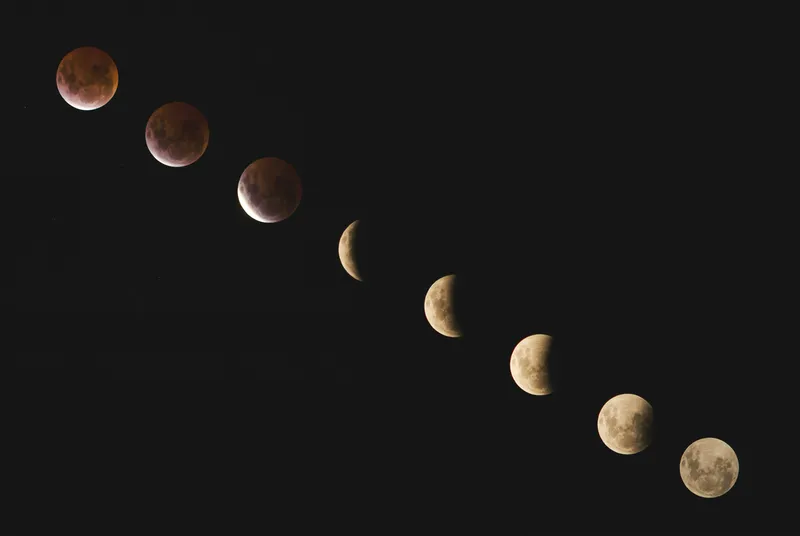
Capturing the Lunar Eclipse: A Guide to Time-Lapse Photography
A lunar eclipse is a breathtaking cosmic event that presents a unique opportunity for photographers and videographers alike. By using time-lapse photography , you can create stunning visual representations of the moon as it transitions through the earth’s shadow. In this guide, we’ll explore essential photography tips , the best camera settings , and equipment recommendations to help you capture the beauty of the moon during an eclipse.
Understanding the Lunar Eclipse
A lunar eclipse occurs when the earth comes between the sun and the moon, casting a shadow on the moon. This phenomenon can vary in duration and appearance, with total, partial, and penumbral eclipses. Each type offers a unique visual experience, perfect for moon photography.
Preparing for the Event
- Research the Schedule : Lunar eclipses happen infrequently, so check the celestial calendars to know when the next eclipse will occur.
- Location : Choose a location with minimal light pollution and a clear view of the sky. Higher elevations often provide a better vantage point.
- Weather Conditions : Monitor the weather forecast leading up to the event. Clear skies are crucial for time-lapse photography.
Equipment You’ll Need
To effectively capture the lunar eclipse, consider the following equipment:
- Camera : A DSLR or mirrorless camera is ideal for flexibility in settings.
- Tripod : A sturdy tripod is essential for stability during long exposures.
- Telephoto Lens : A lens with a focal length of at least 200mm will help you zoom in on the moon.
- Intervalometer : This device allows you to set intervals for capturing images automatically, crucial for creating a time-lapse.
Camera Settings for Time-Lapse Photography
When it comes to camera settings for capturing a lunar eclipse, here are some key points to consider:
- Manual Mode : Switch your camera to manual mode to control exposure settings.
- Aperture : Set your aperture to around f/8 to f/11 for sharp images.
- ISO : Start with an ISO setting of 100-400. You may need to increase it as the eclipse progresses and the moon dims.
- Shutter Speed : Use a shutter speed of 1/125 to 1/250 seconds in the beginning. As the eclipse progresses, you may need to slow down your shutter speed to capture more light.
- White Balance : Set your white balance to daylight to maintain color consistency.
Time-Lapse Photography Steps
- Setup : Position your camera on the tripod towards the moon. Frame your shot, ensuring you have a clear view of the sky.
- Interval Settings : Use the intervalometer to determine how often to take photos. A good starting point is every 10-30 seconds.
- Capture the Event : As the eclipse progresses, monitor your camera and adjust settings if necessary, especially the exposure.
- Post-Processing : After capturing the images, use editing software to compile them into a time-lapse video. Adjust the speed and add music or effects for a more polished result.
Final Thoughts
Capturing a lunar eclipse through time-lapse photography can be a rewarding experience, blending science with art. With the right camera settings , equipment, and preparation, you can create stunning visuals that showcase the beauty of the night sky. Remember to enjoy the process and immerse yourself in the wonder of the cosmos! ! Happy shooting!
Related articles
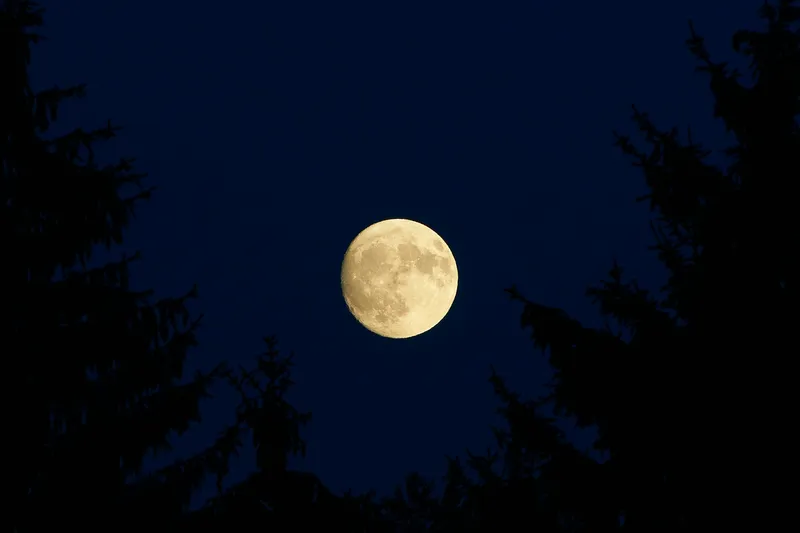
Capturing the Perfect Lunar Eclipse: Tips for Low-Angle Photography
The beauty of a lunar eclipse captivates many, offering a stunning spectacle that enthusiasts and casual observers alike cherish. If you're looking to capture this celestial event through your lens, especially from a low-angle shot , you’re in for an exciting challenge. This article shares essential photography tips that will help you create breathtaking images of the moon against a mesmerizing starry sky.
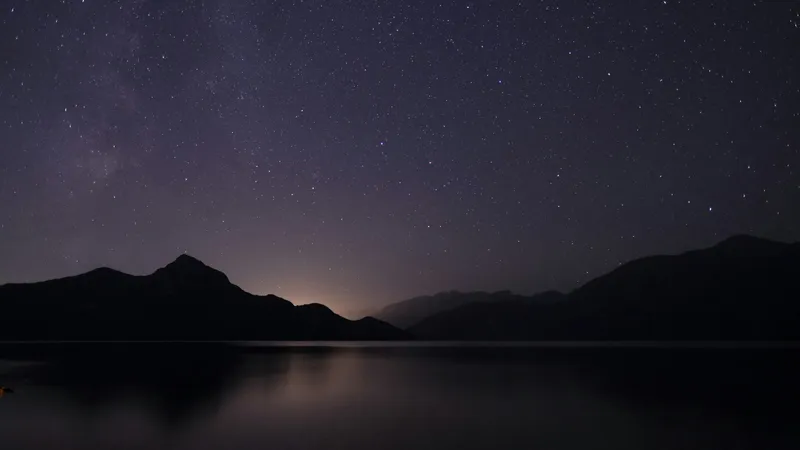
Capturing the Night: Tips for Photographing the Milky Way and Lunar Events
Photography at night can be both exhilarating and challenging. Whether you're aiming to capture the Milky Way or a stunning lunar eclipse , having the right photography tips and equipment is crucial for success. In this guide, we'll delve into essential techniques for night photography , ensuring you get breathtaking shots that showcase the beauty of the night sky.
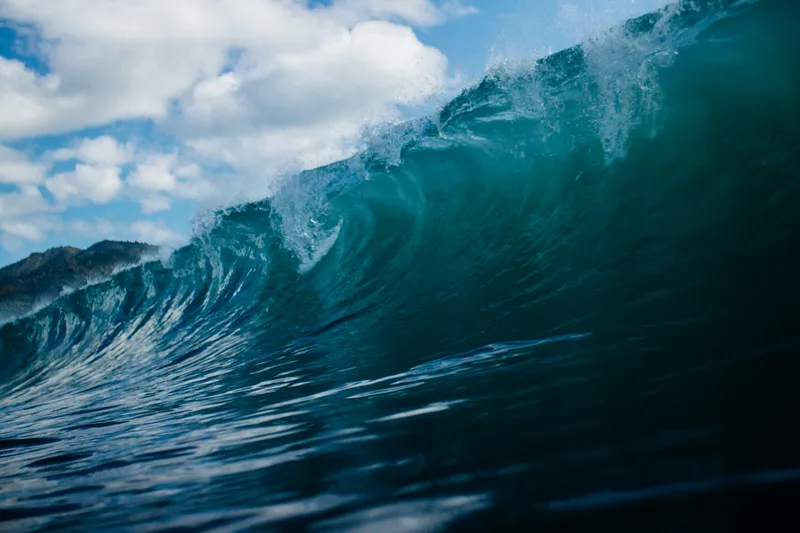
Mastering Time Lapse Photography: Capturing the Power of Ocean Waves
Time lapse photography is a fascinating technique that allows you to capture the world in a unique way. One of the most captivating subjects for this method is ocean waves. The rhythmic ebb and flow of the sea can create stunning visuals that highlight the beauty of nature. In this article, we’ll explore essential photography tips for capturing time lapse videos of ocean waves, along with the best equipment to enhance your videography experience.