Capturing the Milky Way: Tips for Stunning Night Sky Photography
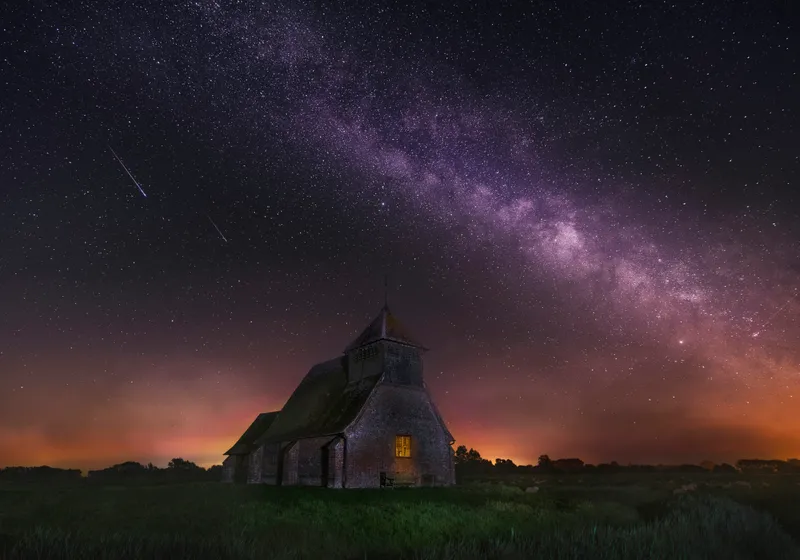
Capturing the Milky Way: Tips for Stunning Night Sky Photography
The Milky Way is one of the most breathtaking sights in the night sky, and capturing it through your lens can be a rewarding experience. Whether you're a seasoned photographer or just starting out, these photography tips will help you get the most out of your Milky Way photography endeavors. Here’s how to prepare your gear, set your camera, and create stunning images of the cosmos.
Understanding the Milky Way
Before we dive into the camera settings , it's essential to understand when and where to find the Milky Way. Generally, the best time for night sky photography is during the summer months, particularly from late April to early September, when the core of the galaxy is most visible. Look for dark sky locations far from city lights, at high elevations if possible, to minimize light pollution.
Essential Equipment for Milky Way Photography
To capture stunning images of the Milky Way , having the right equipment is crucial. Here’s a list of essentials:
- Camera : A DSLR or mirrorless camera that allows manual settings.
- Lens : A wide-angle lens (14mm to 24mm) with a large aperture (f/2.8 or wider) is ideal.
- Tripod : A sturdy tripod to keep your camera stable during long exposures.
- Remote Shutter Release : To avoid camera shake when taking long exposure shots.
- Headlamp : A red light is perfect for maintaining your night vision while setting up.
Camera Settings for Milky Way Photography
Setting your camera correctly is vital for capturing the Milky Way. Here are some recommended camera settings :
- Aperture : Set your lens to the widest aperture (f/2.8 or wider) to let in as much light as possible.
- ISO : Start with an ISO setting between 1600 and 6400, adjusting based on your camera's performance and noise level.
- Shutter Speed : Use the 500 rule to calculate your shutter speed: divide 500 by the focal length of your lens. For example, if you're using a 24mm lens, you'd set your shutter speed to about 21 seconds (500/24).
- Focus : Manually focus your lens to infinity to ensure the stars are pin-sharp.
Composition Tips for Night Sky Photography
To create compelling images, consider the composition of your shot:
- Foreground Interest : Include an interesting foreground element, like a silhouette of trees or a building. For instance, Milky Way photography above a concrete building can create an impactful contrast.
- Rule of Thirds : Position the Milky Way along the vertical lines of the rule of thirds for a more dynamic composition.
- Star Trails : If you want to capture star trails , use a longer exposure or take multiple images and stack them in post-processing.
Post-Processing for Stunning Results
After capturing your images, post-processing can help enhance the beauty of the night sky. Use software like Adobe Lightroom or Photoshop to:
- Adjust exposure and contrast to bring out the details in the Milky Way.
- Reduce noise, especially if you had to use a high ISO.
- Enhance colors to make the galaxy pop.
Conclusion
Capturing the Milky Way can be a magical experience, but it requires preparation and knowledge of the right techniques. With these tips on camera settings , composition, and post-processing, you’ll be well on your way to creating stunning night sky images that showcase the beauty of our universe. So grab your camera, head to a dark sky location, and start exploring the night sky! Happy shooting!
Related articles
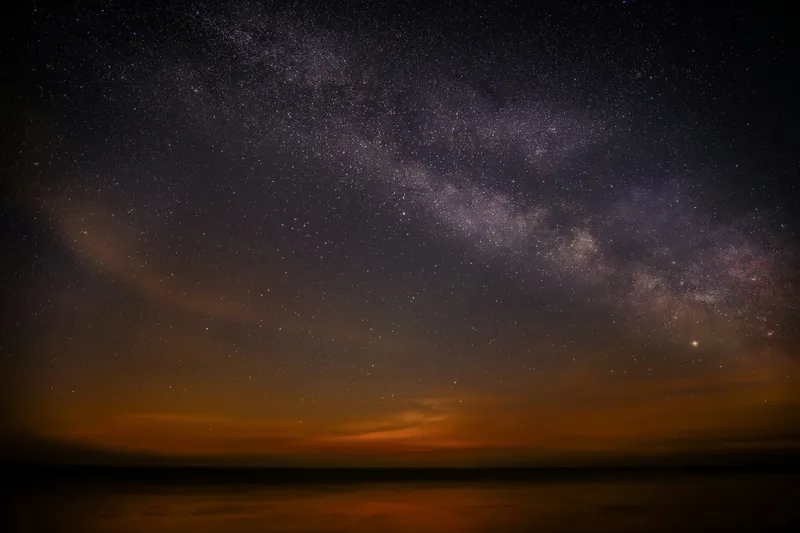
Capturing the Cosmos: Tips for Photographing the Milky Way
The Milky Way is one of nature's most breathtaking displays, and capturing it through Milky Way photography can be a rewarding experience. If you’re passionate about astrophotography or simply want to elevate your landscape photography game, here are some essential tips to help you snap stunning images of our galaxy.
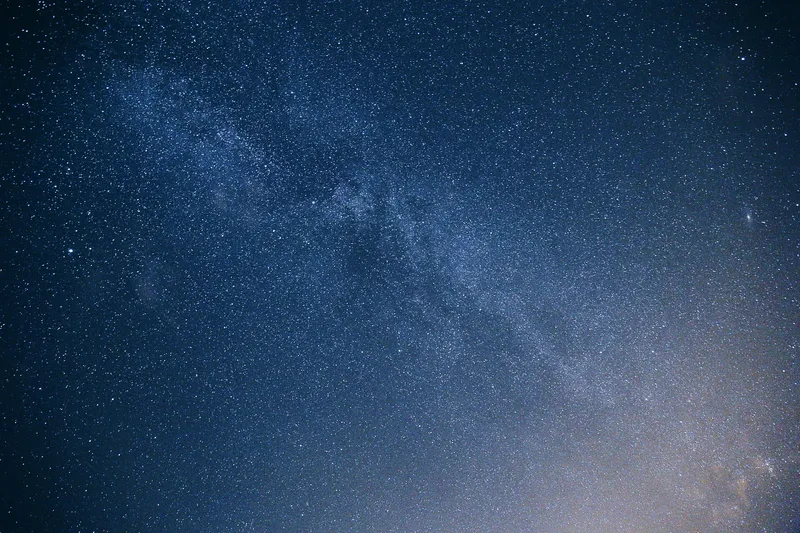
Capturing the Night: Tips for Photographing the Milky Way
Photographing the Milky Way can be one of the most rewarding experiences for both amateur and professional photographers. The beauty of the night sky, filled with countless stars and the shimmering band of our galaxy, offers a stunning backdrop for your photography. However, capturing this celestial wonder requires specific techniques and camera settings to ensure that your images truly shine.
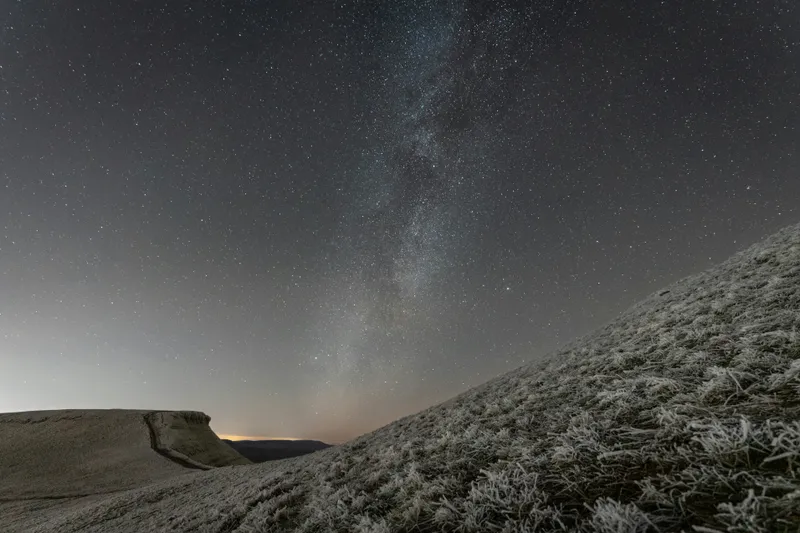
Capturing the Cosmic: Photography Tips for Night Skies and Mountain Landscapes
When it comes to mountain photography and capturing thenight sky, understanding the right techniques and camera settings can make a world of difference. From the majestic peaks that touch the stars to the shimmering galactic core overhead, your landscape will never look the same once you master these essential photography tips.
Explore these topics
- photography-tips(133)
- camera-settings(16)
- night-sky(10)
- milky-way-photography(3)