Capturing the Golden Hour: Tips for Mountain Photography
Capturing the Golden Hour : Tips for MountainPhotography
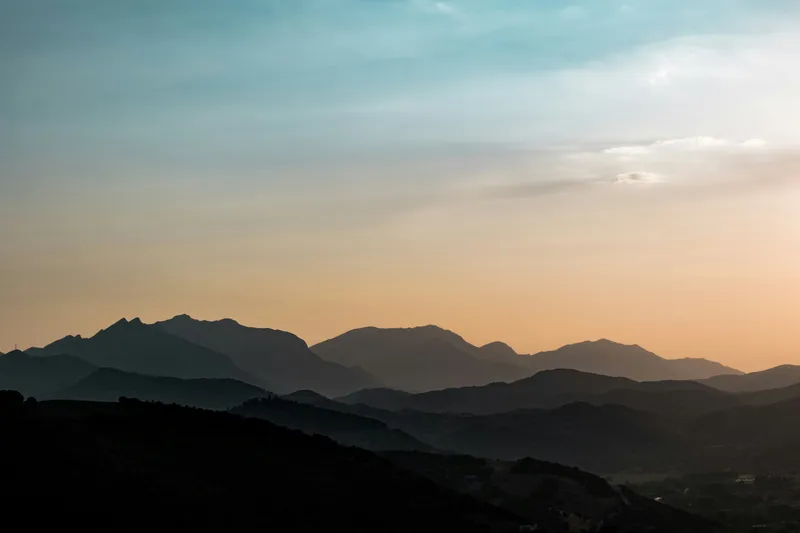
The golden hour is a magical time for any photographer, especially for those venturing into the mountains. This period, just after sunrise or before sunset, bathes the landscape in warm, soft light, transforming ordinary scenes into extraordinary photographs. In this article, we’ll explore essential camera tips to help you capture stunning mountain landscapes during the golden hour.
Understanding the Golden Hour
The golden hour refers to the time when the sun is low in the sky, creating a warm, diffused light that enhances the vibrancy of colors and adds depth to photographs. For mountain photography, this means that the rugged textures of rocks, the delicate hues of wildflowers, and the expansive skies all come alive in a way that can be truly breathtaking.
Timing is Everything
To make the most of the golden hour , you need to know when it occurs. The timing can vary based on your location and the time of year. Use apps like Golden Hour or PhotoPills to track the exact moments of dawn and dusk. Arriving early allows you to set up your equipment and find the best vantage points before the light begins to change.
Gear Up: Essential Photography Equipment
Investing in the right photography equipment can make a significant difference in your ability to capture stunning mountain landscapes. Here are some essential tools:
- Tripod : A sturdy tripod is a must for long exposures, especially during the golden hour when light can be softer. It helps eliminate camera shake, allowing for sharper images.
- Wide-angle Lens : A wide-angle lens (16-35mm) is perfect for capturing vast mountain ranges and sweeping landscapes. This lens allows you to encompass more of the scene in your frame.
- Filters : Polarizing and ND filters can enhance the colors in your images and help manage reflections, especially in scenes with water.
Composition Tips for Mountain Landscapes
When photographing mountains during the golden hour , composition is key. Here are some tips to consider:
- Foreground Interest : Incorporate elements in the foreground, such as rock formations, trees, or flowers, to create depth in your landscape photos.
- Leading Lines : Use natural lines, like trails or rivers, to guide the viewer's eye towards the mountains.
- Rule of Thirds : Position key elements along the grid lines of the rule of thirds to create a more balanced and visually appealing composition.
Camera Settings for the Golden Hour
To take full advantage of the golden hour , adjust your camera settings accordingly:
- Aperture : A wider aperture (f/2.8 to f/5.6) can create a beautiful bokeh effect for foreground elements while keeping the background mountains in focus.
- ISO : Keep your ISO as low as possible (100-400) to reduce noise in your images, especially in the low light of the golden hour.
- Shutter Speed : Depending on your lighting conditions, you may need a slower shutter speed. Use your tripod to stabilize the camera for longer exposures without blurriness.
Post-Processing Tips
Even the best photographs can benefit from a little post-processing. Here are some tips for enhancing your mountain landscapes:
- Adjust White Balance : The golden hour light can vary, so adjusting the white balance can help in bringing out the warmth of the scene.
- Enhance Colors : Use tools in software like Adobe Lightroom to enhance the vibrancy and saturation of your colors, making the scene pop.
- Sharpen Details : Apply sharpening to bring out the textures in the mountains, emphasizing their rugged beauty.
Conclusion
Capturing the golden hour in the mountains can be a rewarding experience for any photographer. With the right camera tips , equipment, and techniques, you can create stunning landscape photos that truly reflect the beauty of nature. So pack your camera gear and venture into the great outdoors; the golden hour awaits!
Related articles
Capturing the Majestic Mountains: Tips and Techniques
Mountains are some of the most breathtaking subjects for photography. Whether you’re an amateur or a seasoned pro, capturing their grandeur can be both challenging and rewarding. With the right camera equipment and techniques, you can create stunning images that showcase the beauty of these natural wonders. In this article, we’ll explore various tips and techniques to help you shoot magnificent landscape photographs of mountains, including how to achieve that coveted bird's-eye view.
Capturing the Majesty of Lava: Tips for Photographers
When it comes to naturephotography, few subjects can rival the raw power and beauty of lava flows. The dynamic interplay of light, color, and texture makes volcanic landscapes incredibly captivating. Whether you’re a seasoned photographer or just starting in landscape photography, capturing the essence of lava can be a rewarding challenge. Here are some essential tips to help you document these awe-inspiring natural phenomena effectively.
Capturing the Magic of Sunrise: Tips for Landscape Photography
Sunrise is one of nature’s most breathtaking spectacles, offering a unique opportunity for landscape photography enthusiasts to capture stunning scenery. The soft hues of morning light can transform ordinary landscapes into extraordinary images. In this article, we will explore essential camera tips to help you make the most of your photography at sunrise.
Explore these topics
- photography(38)
- landscape(22)
- camera-tips(11)
- golden-hour(9)
- mountains(3)