Capturing the Perfect Hike: Tips for Outdoor Photography
Capturing the Perfect Hike: Tips for Outdoor Photography
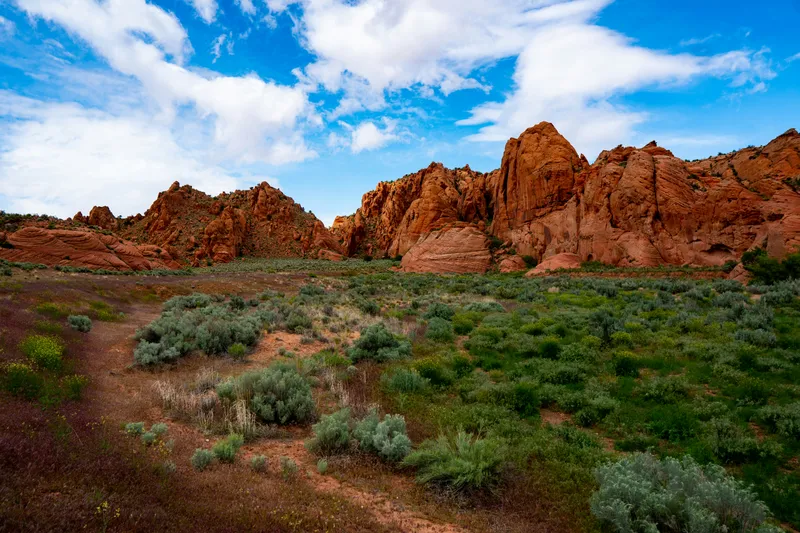
Hiking is not only a fantastic way to explore nature, but it also offers a myriad of opportunities for outdoor photography. Whether you are an amateur looking to improve your skills or a seasoned photographer wanting to capture stunning landscapes, this guide will help you master hiking photography and elevate your nature shots to the next level.
1. Choose the Right Camera Equipment for Hiking
When it comes to camera equipment for hiking , the selection you make can significantly impact your photography experience. Here are some essential items to consider:
- Lightweight Camera: If you're hiking, opt for a compact DSLR or a mirrorless camera that won’t weigh you down.
- Versatile Lenses: A zoom lens (such as 24-70mm) can be very handy, allowing you to capture a variety of scenes without the need to change lenses frequently.
- Tripod: A lightweight tripod is invaluable for long exposure shots, especially in low-light conditions. Look for a model that’s easy to carry.
- Waterproof Bag: Protect your gear with a waterproof camera bag, ensuring your equipment stays safe from the elements.
2. Plan Your Shots
Before you embark on your hike, it’s wise to plan your shots. Research the trail and the best viewpoints to capture stunning landscapes. For landscape photography tips , consider the following:
- Golden Hour: The best time to shoot is during the golden hour—shortly after sunrise and before sunset—when the light is soft and warm.
- Weather Conditions: Cloudy days can enhance colors and bring out the details in landscapes, while clear days offer stunning vistas.
- Composition: Use the Rule of Thirds to make your images more engaging. Position your subject off-center and include leading lines to draw the viewer’s eye into the scene.
3. Master Your Settings
Understanding your camera settings is crucial for nature photography. Here are a few tips:
- Aperture: A wider aperture (f/2.8 - f/5.6) can create a beautiful bokeh effect, isolating your subject, while a smaller aperture (f/8 - f/16) will keep the entire landscape in focus.
- Shutter Speed: Experiment with slower shutter speeds for motion blur in waterfalls or fast shutter speeds for freezing action in wildlife photography.
- ISO Settings: Keep your ISO as low as possible to reduce noise, but don’t be afraid to increase it in low-light conditions.
4. Embrace the Environment
To truly capture the essence of your hike, embrace your surroundings. Look for unique angles and perspectives:
- Foreground Interest: Incorporate elements such as rocks, plants, or water into your composition to add depth.
- Frame Within a Frame: Use natural elements like trees or archways to frame your shots, creating a more immersive image.
5. Post-Processing Your Images
After your adventure, it’s time to enhance your images through post-processing. Use software like Lightroom or Photoshop to:
- Adjust Exposure and Contrast: Bring out the details in your landscapes.
- Color Correction: Enhance the colors to reflect the beauty you experienced during your hike.
- Crop and Straighten: Make sure your composition is perfect and aligned.
Conclusion
Capturing the perfect hike requires not only the right camera equipment for hiking but also planning, understanding your settings, and embracing the beauty around you. With these landscape photography tips , you can create stunning outdoor photography that encapsulates the spirit of your adventure. So grab your gear, hit the trails, and let nature inspire your next masterpiece!
Related articles
Capturing the Essence of Nature: Tips for Photographing Wildlife Statues
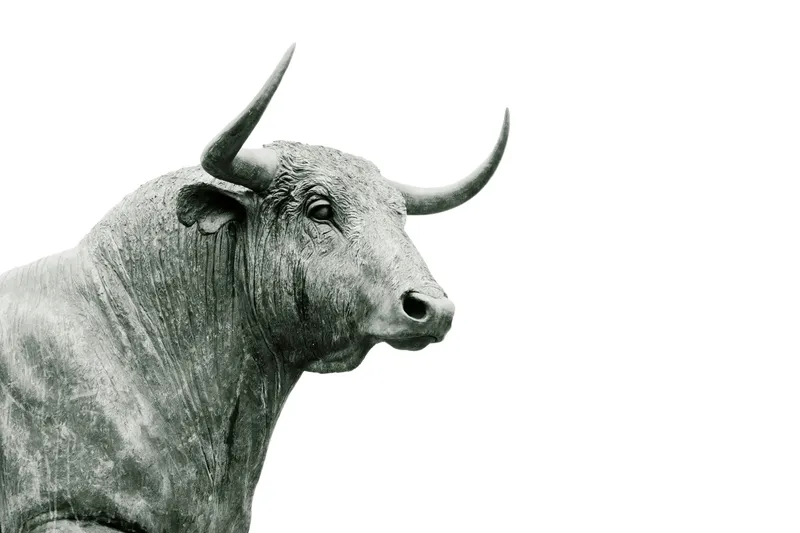
Wildlife photography is a captivating genre that allows photographers to connect with the natural world. However, when the weather doesn't cooperate, or if you find yourself in an urban environment, wildlife statues can provide the perfect alternative for your outdoor photography pursuits. In this article, we'll explore essential photography tips to help you effectively capture the beauty of statue photography , particularly when it comes to wildlife-themed sculptures.
Capturing the Essence of Nature: Tips for Silhouette Photography
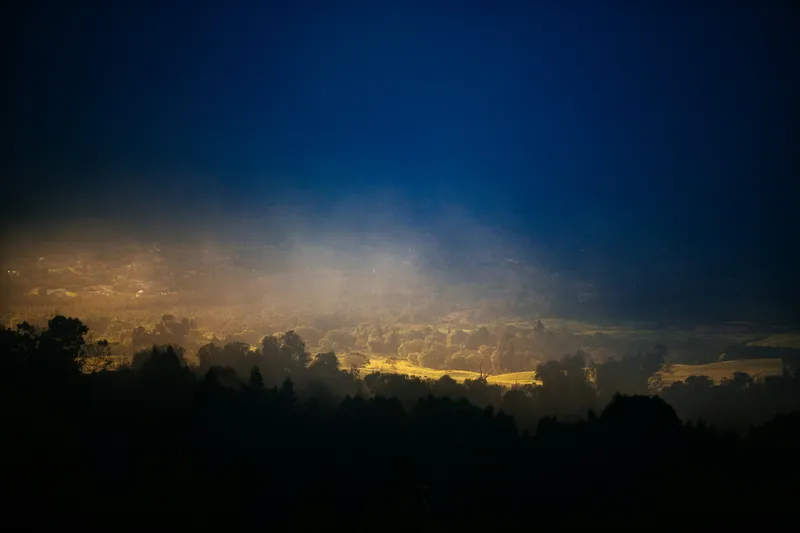
Silhouette photography is a captivating technique that allows photographers to create stunning images by capturing the outline of a subject against a bright background. This method is especially effective in nature photography , where natural elements such as trees, mountains, and sunsets provide the perfect backdrop. In this article, we'll explore essential photography tips to help you master silhouette photography in outdoor settings.
Capturing the Beauty of Icy Mountains: Tips for Photographers
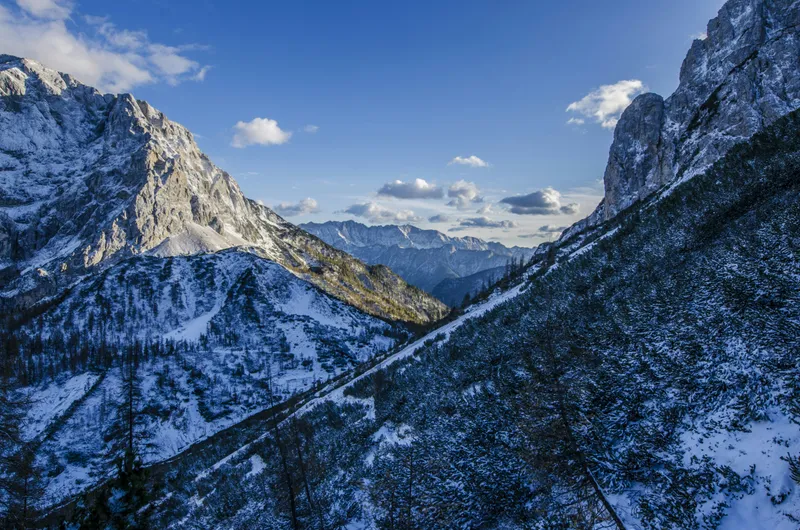
Icy mountain photography offers an ethereal beauty that can leave anyone in awe. The interplay of light, shadows, and the crispness of the air creates a perfect canvas for nature photography. If you're looking to elevate your outdoor photography game in these breathtaking landscapes, this article will provide you with essential photography tips to capture the stunning allure of icy mountains.