Mastering Star Trail Photography: Tips for Capturing Celestial Beauty
Mastering Star Trail Photography: Tips for Capturing Celestial Beauty
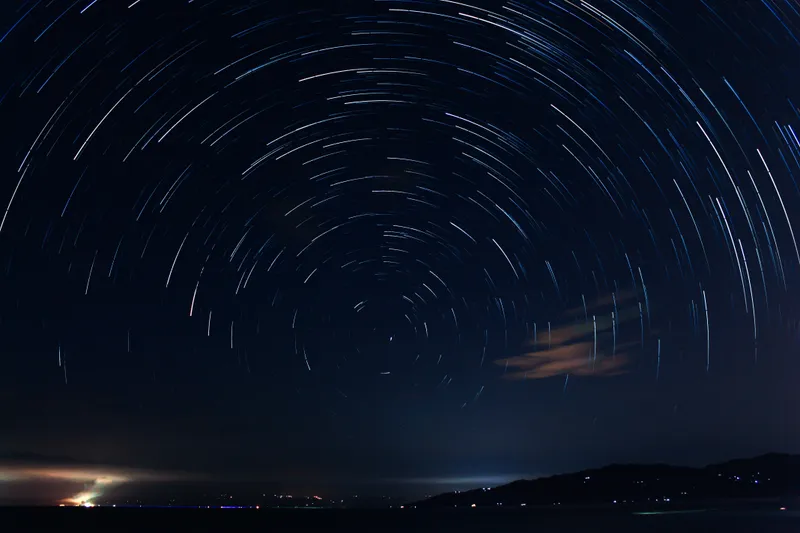
Star trail photography is a captivating way to showcase the beauty of the night sky, allowing photographers to capture the movement of stars as they traverse across the heavens. With the right photography tips , camera settings, and a bit of patience, you can create stunning images that will leave viewers in awe. In this article, we’ll explore essential techniques for mastering star trail photography, ensuring that you can effectively capture celestial beauty.
Understanding Star Trails
Before diving into the camera settings and techniques, it’s crucial to understand what star trails are. These trails are created by the rotation of the Earth, causing stars to appear as streaks of light when captured over a long period using long exposure techniques.
Gear Up for Success
To successfully capture star trails , you don’t need a plethora of expensive equipment, but there are some essential items to consider:
- Camera : A DSLR or mirrorless camera with manual settings is ideal for night photography.
- Lens : A wide-angle lens (f/2.8 or faster) will capture more of the sky.
- Tripod : A sturdy tripod is essential to avoid any camera shake during long exposures.
- Remote Shutter Release : This helps prevent camera movement when triggering the shutter.
- Extra Batteries : Long exposures drain batteries quickly, so bring spares.
Best Conditions for Star Trail Photography
- Location : Choose a location away from city lights to minimize light pollution. National parks or remote areas are often ideal.
- Weather : Clear skies are essential. Check the weather forecast to ensure minimal cloud cover.
- Time : The best time for night photography is during the new moon phase when the sky is darkest.
Camera Settings for Star Trail Photography
Getting the right camera settings is crucial for capturing beautiful star trails:
- Aperture : Set your aperture to the widest setting (f/2.8 or lower) to allow maximum light in.
- ISO : Start with an ISO setting between 800 to 3200, depending on the brightness of the night sky. Higher ISO settings will capture more stars but may introduce noise.
- Shutter Speed : For long exposure shots, you can use bulb mode for extended periods. Capturing images for 20-30 minutes will create stunning trails.
- Focus : Switch to manual focus and set your focus to infinity. This will ensure that stars are sharp and clear.
Techniques for Capturing Star Trails
- SingleLong Exposure: Choose a long exposure time (around 20-30 minutes) to capture the star trails in one shot. This method is straightforward but requires stable conditions.
- Stacking Images : Capture a series of shorter exposures (around 30 seconds to 2 minutes) and later stack them using software like StarStax or Photoshop. This method helps reduce noise and enhance the final image.
- Composition : Include interesting foreground elements in your shot, such as trees, mountains, or water. For instance, a star trail over a body of water can create beautiful reflections that enhance your composition.
Post-Processing Your Star Trail Images
Once you’ve captured your images, it’s time to enhance them using post-processing software:
- Noise Reduction : Use noise reduction tools to smooth out any graininess caused by high ISO settings.
- Color Correction : Adjust the color balance to enhance the night sky’s hues.
- Stacking Techniques : If you’ve chosen the stacking method, combine your images in your photo editing software to create a smooth and continuous trail.
Final Thoughts
Capturing star trails is a rewarding experience that requires practice, patience, and the right equipment. By following these photography tips and mastering your camera settings , you can create breathtaking images that showcase the celestial beauty of the night sky. Remember, the key to great night photography lies in preparation and experimentation. So grab your camera, find a dark spot, and start capturing the mesmerizing trails of stars! Happy shooting!
Related articles
Mastering Long Exposure Photography
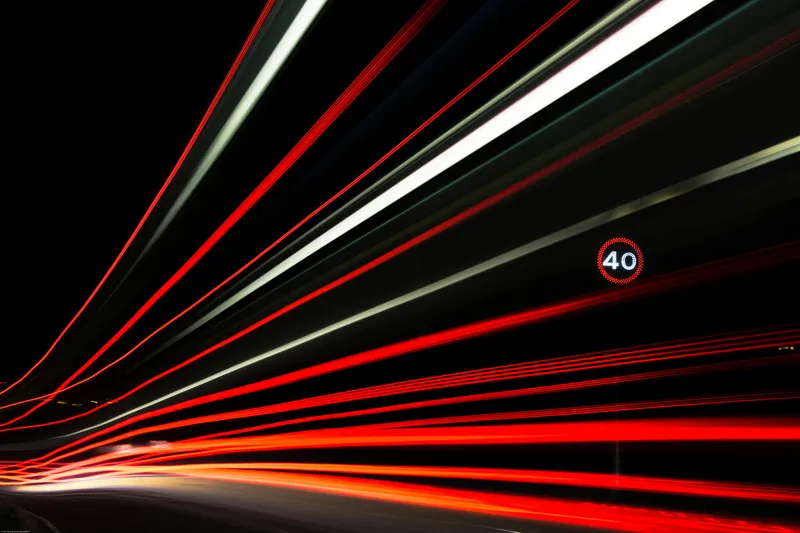
Long exposure photography is a mesmerizing technique that allows photographers to capture time in a single frame. Whether you want to create stunning light trails or capture the serene beauty of night photography , mastering this technique requires knowledge of specific camera settings and the right photography tips. This article will guide you through the essentials of long exposure photography, complete with equipment recommendations and practical advice.
Capturing the Night: Tips for Photographing the Milky Way
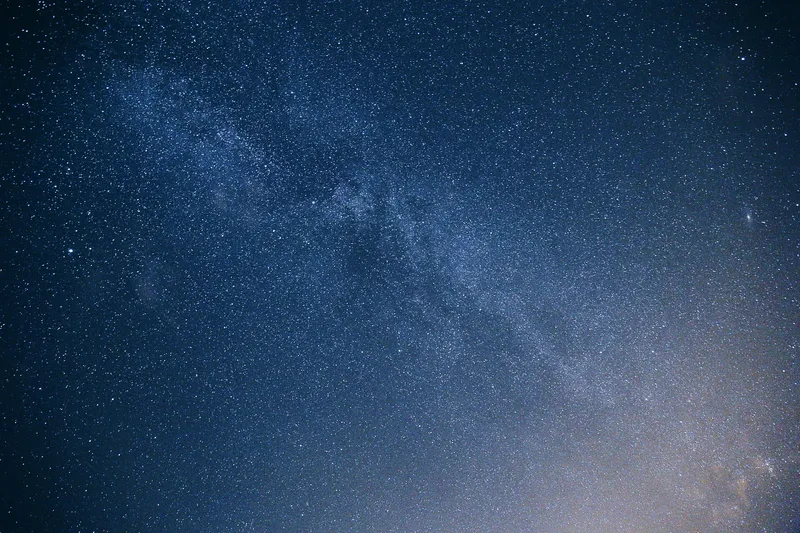
Photographing the Milky Way can be one of the most rewarding experiences for both amateur and professional photographers. The beauty of the night sky, filled with countless stars and the shimmering band of our galaxy, offers a stunning backdrop for your photography. However, capturing this celestial wonder requires specific techniques and camera settings to ensure that your images truly shine.
Capturing the Aurora: Tips for Night Photography
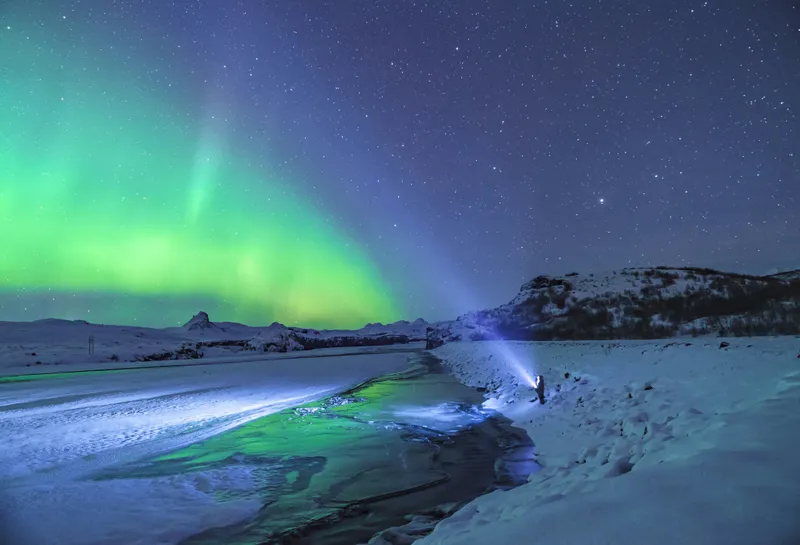
The aurora borealis , often referred to as the Northern Lights, is one of nature's most breathtaking displays. For photography enthusiasts, capturing this mesmerizing phenomenon can be both thrilling and challenging. Here are some essential photography tips to help you achieve stunning results when shooting the aurora.
Explore these topics
- photography-tips(133)
- night-photography(29)
- camera-settings(16)
- long-exposure(9)