Capturing the Essence of Wildlife: Tips for Photographing Penguins in Their Natural Habitat
Capturing the Essence of Wildlife: Tips for Photographing Penguins in Their Natural Habitat
Wildlife photography is a captivating genre that allows photographers to immerse themselves in nature and capture its raw beauty. Among the most charming subjects to photograph are penguins. These flightless birds, known for their unique waddling and social behaviors, provide incredible opportunities for stunning shots. This article will provide essential photography tips to help you make the most of your nature photography sessions with penguins, along with recommendations for suitable camera equipment.
Understanding Penguins in Their Habitat
Before you set out to photograph penguins, it's vital to understand their behavior and habitat. Penguins are typically found in cold regions, such as Antarctica, South Africa, and New Zealand. Observing their social structures and daily activities will give you insights into how to best capture their essence on camera. Spend time watching them interact and understand their routines, as this knowledge is crucial for knowing when to take your shot.
1. Choose the Right Time of Year
Timing is everything in wildlife photography. Penguins have specific breeding and molting seasons, which vary by species and location. Research the best times to visit these areas to witness their most active periods. For example, visiting during the breeding season can offer opportunities to photograph adorable chicks, while the molting season can highlight adult penguins’ unique plumage.
2. Invest in Quality Camera Equipment
Having the right camera equipment can make a significant difference in your wildlife photos:
- Camera Body : A DSLR or mirrorless camera with a fast autofocus system is ideal for capturing action shots.
- Lenses : A telephoto lens (200mm or longer) is essential for getting close-up images without disturbing the wildlife. Consider a lens with image stabilization to reduce blur from camera shake.
- Tripod or Monopod : Stability is key in wildlife photography. A sturdy tripod or a monopod will help you avoid camera shake, especially during low-light conditions.
- Filters : A polarizing filter can enhance colors and reduce glare from snowy landscapes, making your photographs pop.
3. Use Natural Light to Your Advantage
Natural light is a crucial element in nature photography. Early mornings and late afternoons provide the best lighting conditions, known as the golden hours. The soft, warm light during these times enhances the colors of the penguins and their surroundings while reducing harsh shadows. Overcast days can also be beneficial, as the diffused light creates even skin tones and reduces glare.
4. Mind Your Composition
When photographing penguins, think about your composition:
- Rule of Thirds : Position the penguins off-center for a more dynamic shot. This technique draws the viewer's eye to the subject and creates a sense of movement.
- Foreground Interest : Incorporate elements from the environment, such as ice formations or other wildlife, to create depth in your images.
- Perspective : Experiment with different angles. Shooting from a low perspective can give your images a more intimate feel and highlight the penguins' unique features.
5. Patience and Observation
Wildlife photography often requires patience. Spend time observing the penguins before attempting to take photos. Wait for the right moment when they engage in natural behaviors, such as preening, feeding, or interacting with their chicks. The more time you spend watching, the better your chances of capturing unforgettable moments.
6. Respect Wildlife and Their Environment
It is crucial to respect penguins and their habitat. Always maintain a safe distance to avoid disturbing them, especially during breeding season. Follow local guidelines and regulations to ensure you are photographing ethically. This not only protects the wildlife but also enhances your experience as a photographer.
Conclusion
Photographing penguins in their natural habitat is a rewarding experience that combines the thrill of wildlife photography with the beauty of nature. By following these photography tips and utilizing the right camera equipment , you can create stunning images that capture the essence of these remarkable birds. Remember to be patient, observant, and respectful of their environment, and you will leave with unforgettable memories and breathtaking photographs.
Article Photo Description
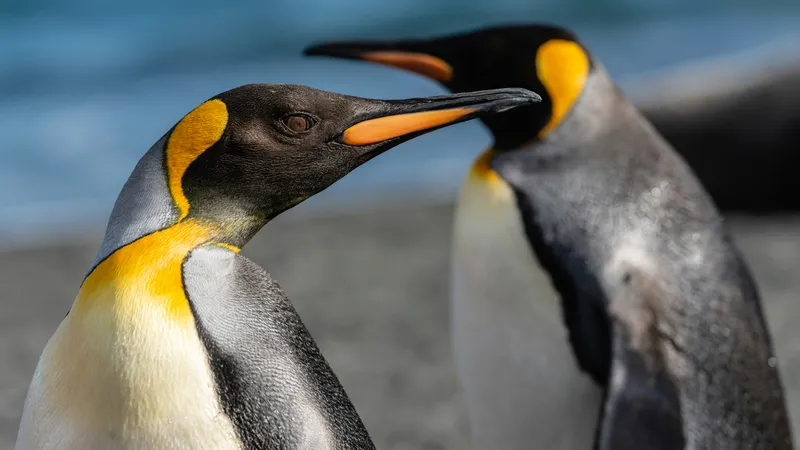
Selective focus photography of a penguin, showcasing its unique features and the icy backdrop of its habitat.
Related articles
Tips for Capturing Stunning Wildlife Photography
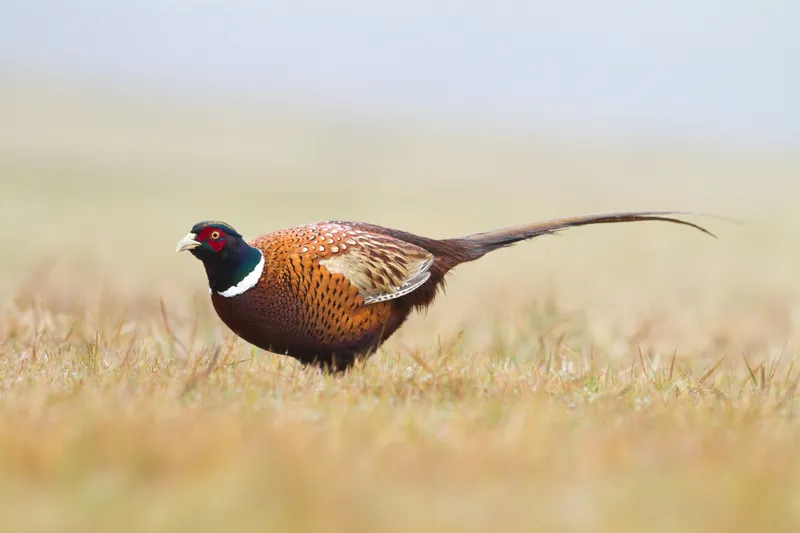
Wildlife photography is a captivating field that allows photographers to connect with nature and capture breathtaking moments in the lives of animals. Whether you’re a seasoned pro or just starting out, having the right camera equipment and techniques can significantly enhance your nature photography. In this article, we’ll explore essential tips for taking stunning wildlife photos, including how to effectively use shallow focus and capture remarkable shots of eagles, pheasants, and other…
Capturing the Essence of Nature: Tips for Photographing Wildlife Statues
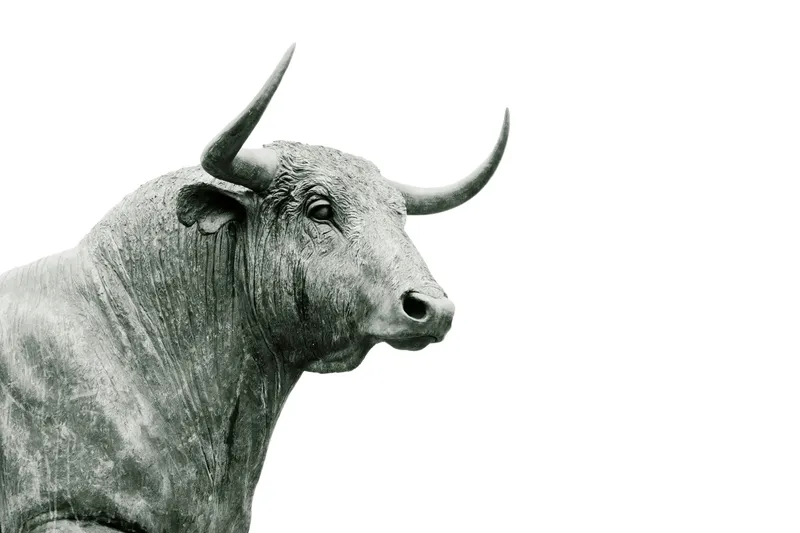
Wildlife photography is a captivating genre that allows photographers to connect with the natural world. However, when the weather doesn't cooperate, or if you find yourself in an urban environment, wildlife statues can provide the perfect alternative for your outdoor photography pursuits. In this article, we'll explore essential photography tips to help you effectively capture the beauty of statue photography , particularly when it comes to wildlife-themed sculptures.
Capturing the Beauty of Coastal Landscapes
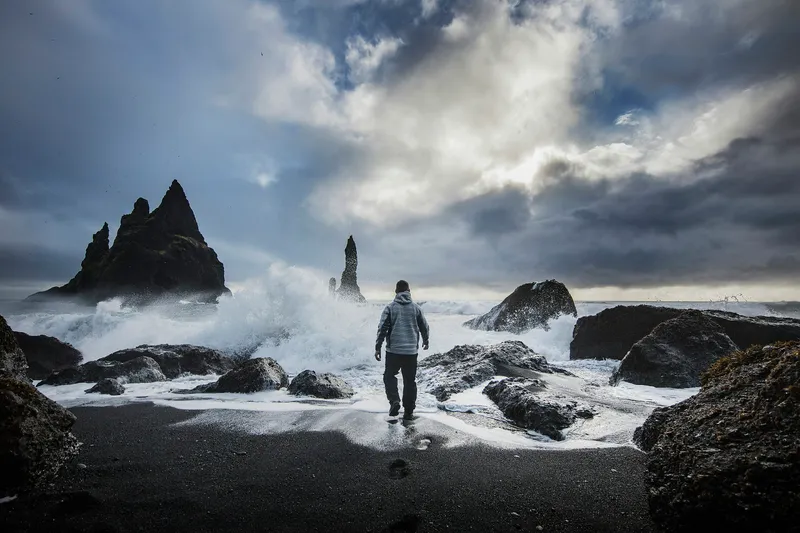
Coastal landscapes offer some of the most stunning visuals for photographers and videographers alike. From the crashing waves to the golden sands, the beauty of these natural scenes is unparalleled. In this article, we will explore essential photography tips for coastal photography , focusing on the right camera equipment and techniques to elevate your landscape photography skills.