Capturing the Night Sky: Tips for Astrophotography
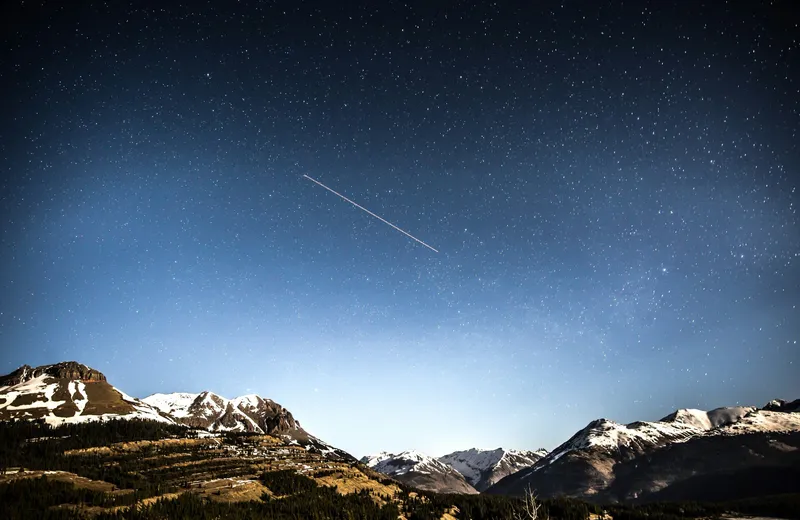
Capturing the Night Sky: Tips for Astrophotography
Astrophotography is a fascinating niche within photography that allows you to explore the beauty of the night sky. Whether you're aiming to capture stunning images of shooting stars , the Milky Way, or celestial events, having the right techniques and equipment is vital to achieving breathtaking results. In this article, we will provide essential photography tips to help you embark on your outdoor photography journey under the stars.
1. Choose the Right Location
Finding the perfect spot is crucial for astrophotography. Look for places with minimal light pollution, such as national parks or remote areas where the sky is clear. Websites and apps like Light Pollution Map can help you locate dark skies. Additionally, consider the photo of a shooting star over snow-covered mountains as inspiration, illustrating the beauty of nature combined with the cosmos.
2. Timing is Everything
Plan your astrophotography sessions around celestial events such as meteor showers, eclipses, or planetary alignments. The best time to shoot is during the new moon when the sky is darkest. Check the weather forecast to ensure clear skies and make sure to set your alarm for late night or early morning hours when the stars are most visible.
3. Essential Equipment
To capture stunning night sky images, you'll need the following equipment:
- Camera : A DSLR or mirrorless camera is ideal for astrophotography.
- Lens : A wide-angle lens (f/2.8 or lower) allows more light to enter.
- Tripod : A sturdy tripod is essential for long exposure shots.
- Remote Shutter Release : This helps avoid camera shake during exposure.
4. Camera Settings
Adjusting your camera settings is critical for successful astrophotography :
- ISO : Start with an ISO of 1600 to 3200.
- Aperture : Set your lens to the widest aperture (f/2.8 or lower).
- Shutter Speed : Use the '500 Rule' to prevent star trails. Divide 500 by the focal length of your lens (in mm) to determine the maximum shutter speed (in seconds).
5. Focus Manually
Autofocus can struggle in low light conditions, so switch to manual focus. Focus on a bright star or distant light to ensure sharpness. Use a flashlight to help you see your lens' focus ring if necessary.
6. Experiment and Practice
Take multiple shots with varying settings and compositions. Try different angles, and don’t hesitate to experiment with foreground elements. Capturing the night sky is an art that improves with practice. Review your images on-site to adjust settings if needed.
7. Post-Processing Techniques
Editing your astrophotography images can enhance their beauty. Use software like Adobe Lightroom or Photoshop to adjust brightness, contrast, and colors. Star stacking techniques can also help reduce noise and improve detail in your final image.
Conclusion
Capturing the night sky through astrophotography can be an incredibly rewarding experience. By following these photography tips , investing in the right equipment, and practicing your technique, you'll be well on your way to creating stunning images that showcase the beauty of the universe. So grab your gear, find a dark location, and start capturing those breathtaking views of the cosmos! Happy shooting!
Related articles
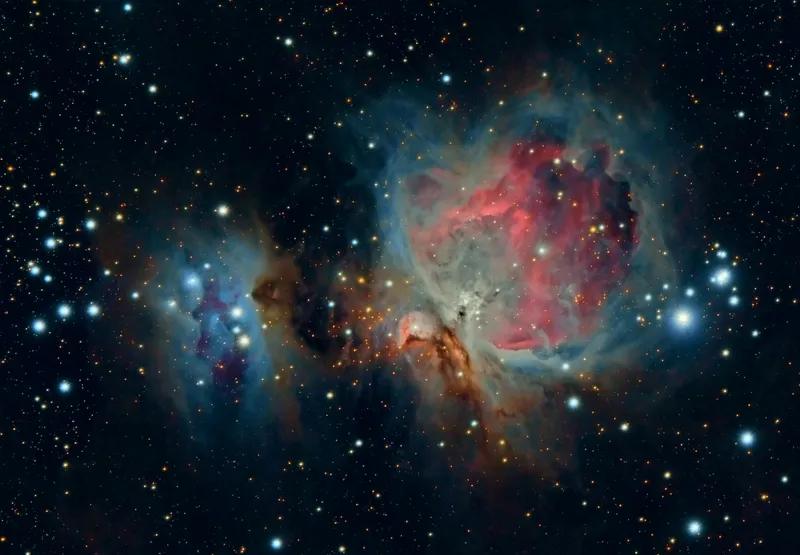
Capturing the Cosmos: Tips for Astrophotography Enthusiasts
Astrophotography is a mesmerizing blend of art and science, allowing enthusiasts to capture the beauty of the night sky , galaxies, and nebulae. Whether you're a seasoned photographer or a newcomer eager to explore the universe through your lens, having the right camera gear and techniques can significantly enhance your celestial photography experience. In this article, we’ll delve into essential photography tips for capturing stunning images of the cosmos.
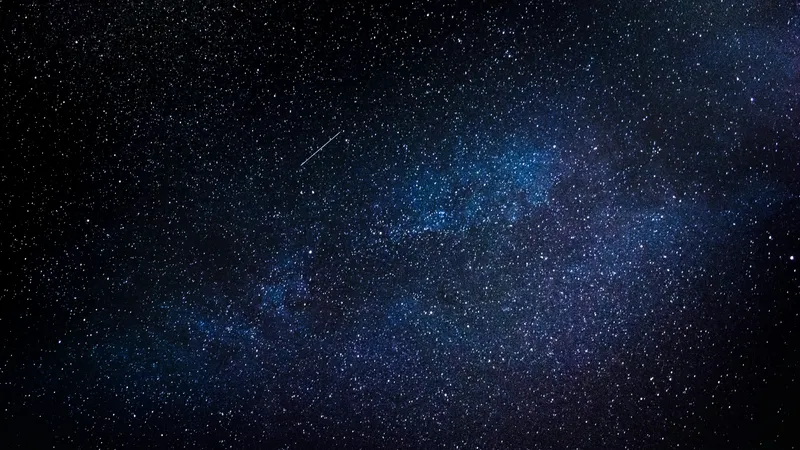
Capturing the Night: Tips for Astrophotography Beginners
Astrophotography is an enchanting pursuit that allows photographers to capture the night sky in all its glory. The beauty of stars, planets, and the Milky Way can be mesmerizing, and with the right camera equipment , you can create stunning images that will leave your audience in awe. If you're a beginner looking to dive into this exciting realm of landscape photography , here are some essential photography tips to get you started.
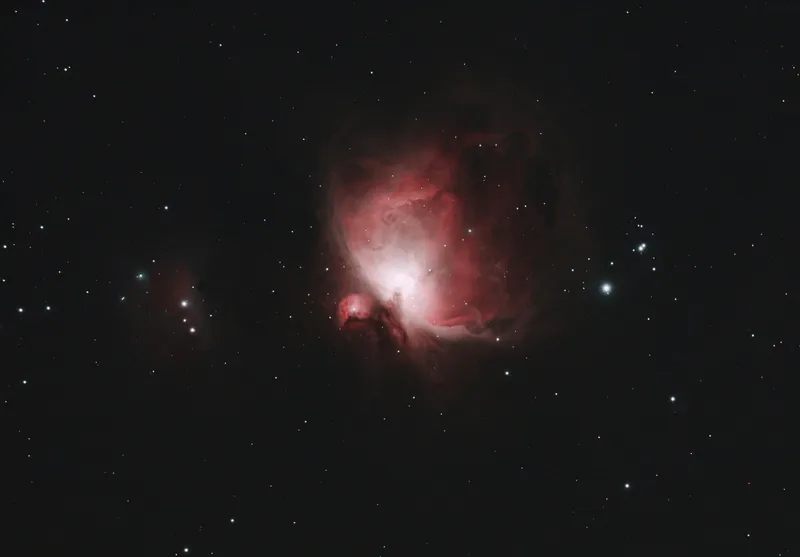
Capturing the Cosmos: Photography Techniques for Astrophotography of the Orion Nebula
Astrophotography is a breathtaking field that allows photographers to explore the wonders of the night sky , and one of the most stunning subjects is the Orion Nebula. With its vibrant colors and intricate details, capturing this magnificent nebula requires specific photography techniques and the right camera equipment. In this article, we will delve into the best practices for photographing the Orion Nebula and the essential tools needed to achieve stellar results.
Explore these topics
- photography-tips(133)
- outdoor-photography(29)
- astrophotography(10)
- night-sky(10)