Capturing the Force of Nature: Tips for Photographing Storms
Capturing the Force of Nature: Tips for Photographing Storms
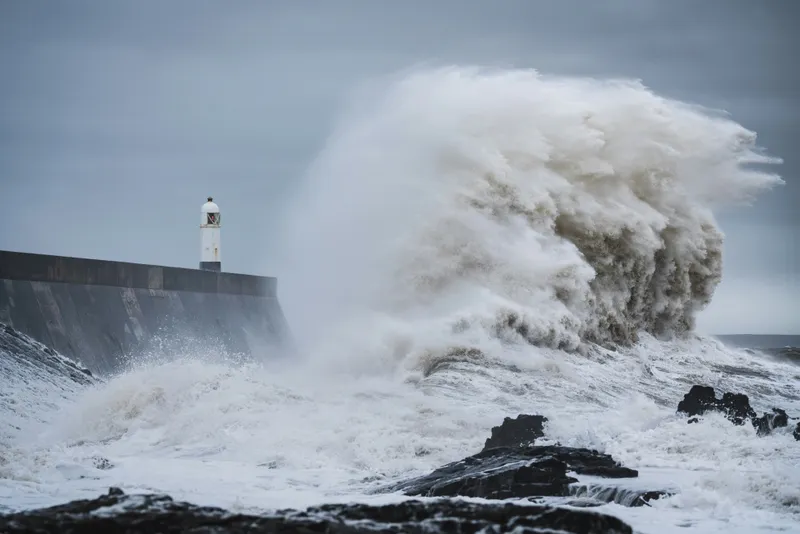
Storm photography can be an exhilarating and rewarding experience for photographers. The raw power of nature, from ocean waves crashing against the shore to dark, ominous clouds rolling in, presents a unique opportunity to capture breathtaking images. In this article, we'll explore some essential tips and techniques to help you effectively photograph storms, ensuring you have the right equipment and knowledge to get stunning results.
1. Understanding the Weather
Before heading out to shoot, it’s crucial to understand the weather conditions. Storms can change rapidly, and safety should always be your top priority. Use weather apps and radar to track storm movements and find the best locations to capture the action. Landscapephotography during a storm often benefits from dramatic skies and unique lighting, so pay attention to the forecast.
2. Choosing the Right Equipment
When it comes to photography in stormy conditions, having the right equipment can make all the difference. Here are some essential items to consider:
- Weather-Sealed Camera : Invest in a camera that can withstand rain and moisture. Many modern DSLRs and mirrorless cameras offer weather sealing.
- Lenses : A versatile zoom lens (like a 24-70mm) is great for capturing both wide landscapes and close-up details. A fast lens with a larger aperture can help in low light conditions.
- Tripod : A sturdy tripod is essential for stability, especially during windy conditions. Look for one that can hold your camera securely and withstand the elements.
- Filters : ND filters can help you manage exposure during bright moments, while polarizers can reduce reflections on water surfaces.
3. Composition Techniques
When photographing storms, composition plays a vital role in creating impactful images. Here are some tips to enhance your landscapephotography:
- Rule of Thirds : Use the rule of thirds to position the horizon and elements within your frame. This technique draws attention to the dramatic skies while keeping the foreground interesting.
- Leading Lines : Incorporate leading lines, such as roads or coastlines, to guide the viewer’s eye through the image. This can add depth and dimension to your storm shots.
- Framing : Use natural elements like trees or rocks to frame your subject. This can create a sense of context and enhance the drama of the scene.
4. Timing and Lighting
The best time to shoot storms is often during the storm itself or just before and after it passes. The lighting can be incredibly dynamic during these moments, providing unique opportunities:
- Golden Hour : Shooting during the golden hour (the hour after sunrise or before sunset) can add a warm glow to your images, contrasting beautifully with dark storm clouds.
- Post-Storm Light: After a storm, the air is often clearer, and the light can be surreal. Look for rainbows or dramatic cloud formations as the sun breaks through.
5. Safety First
While capturing the beauty of storms can be thrilling, always prioritize your safety. Here are some guidelines:
- Stay Informed : Keep an eye on weather updates and alerts to avoid dangerous situations.
- Avoid Dangerous Areas : Stay away from coastal areas during hurricanes or severe storms, as ocean waves can be unpredictable and hazardous.
- Lightning Safety : If you're photographing lightning, find a safe location to set up your camera and avoid standing under tall objects.
Conclusion
Photographing storms can yield stunning results if done safely and thoughtfully. With the right equipment , a keen eye for composition, and a respect for nature's power, you can create breathtaking images that capture the force of nature. Whether it's the crashing ocean waves or the dramatic sky, the possibilities for dramatic storm photography are endless. So grab your camera, check the weather, and head out to capture the beauty of storms!
Related articles
Mastering Time Lapse Photography: Capturing the Power of Ocean Waves
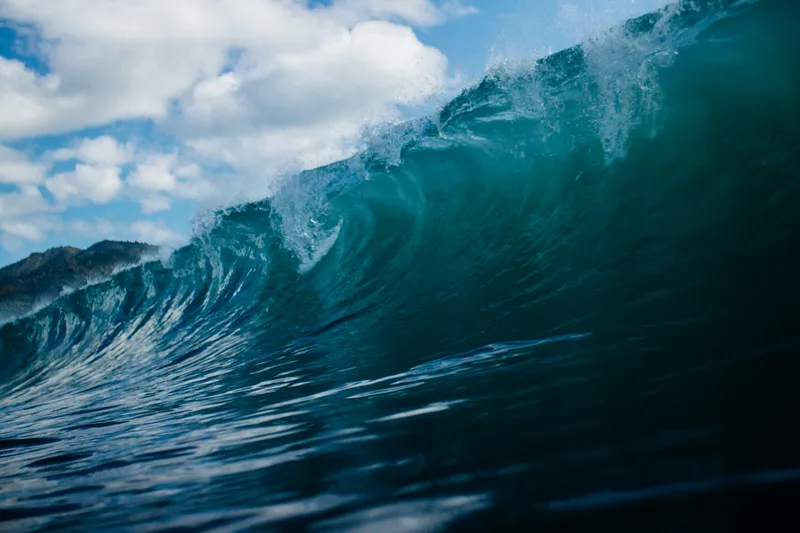
Time lapse photography is a fascinating technique that allows you to capture the world in a unique way. One of the most captivating subjects for this method is ocean waves. The rhythmic ebb and flow of the sea can create stunning visuals that highlight the beauty of nature. In this article, we’ll explore essential photography tips for capturing time lapse videos of ocean waves, along with the best equipment to enhance your videography experience.
Capturing the Beauty of Montara Beach: Photography Tips
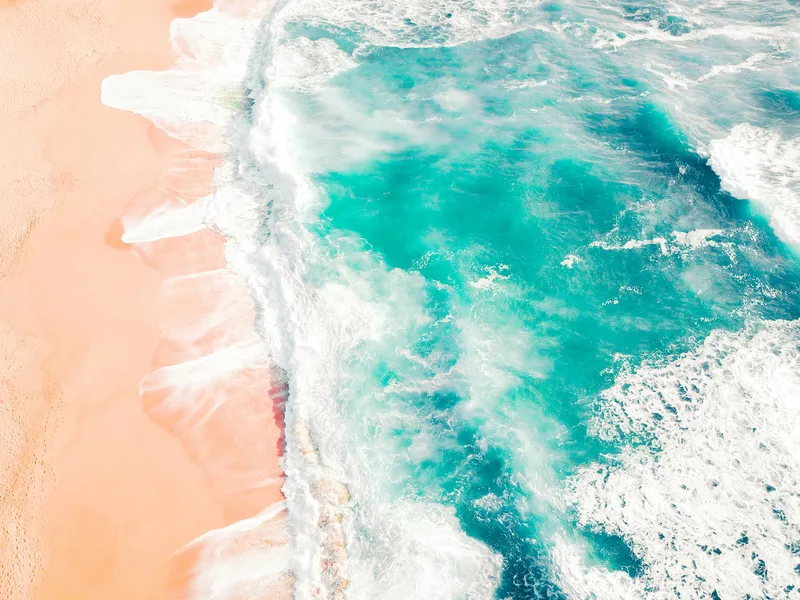
Montara Beach is a stunning gem along the California coast , renowned for its breathtaking landscapes and mesmerizing ocean waves. Whether you're an amateur photographer or a seasoned pro, capturing the beauty of this location requires a blend of technique, creativity, and the right photography tips. In this article, we’ll explore various strategies to help you make the most of your photographic adventure at Montara Beach, including insights into landscape photography and drone photography.
Capturing the Beauty of Desert Wildlife
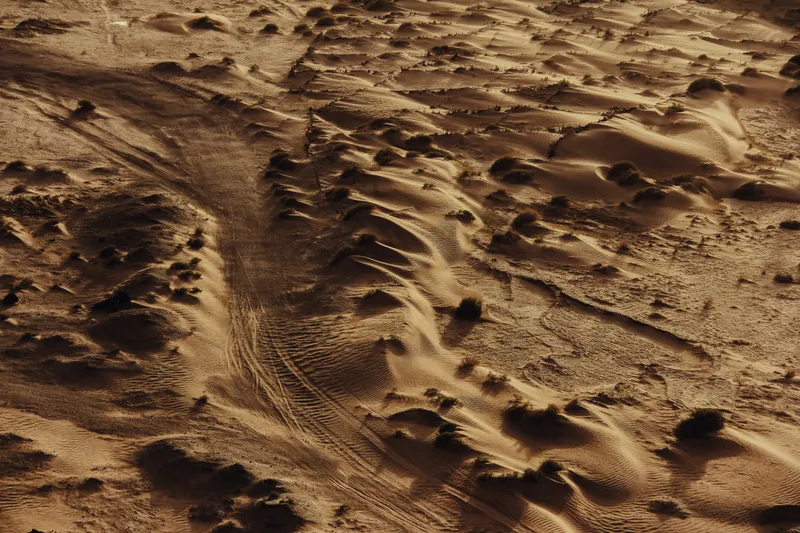
Deserts, often perceived as barren landscapes, are teeming with life and offer a unique opportunity for photography enthusiasts to capture the elusive beauty of wildlife. From the striking contrast of colors in the landscape to the fascinating creatures that inhabit these arid regions, the desert is a treasure trove for those equipped with the right equipment. In this article, we will explore how to effectively capture the stunning beauty of desert wildlife.
Explore these topics
- landscape-photography(83)
- photography(38)
- equipment(15)
- ocean-waves(4)