Capturing the Beauty of Mountains: Photography Tips for Adventurers
Capturing the Beauty of Mountains: Photography Tips for Adventurers
Mountains are some of nature's most majestic creations, offering breathtaking views and unique challenges for photographers. Whether you're an experienced mountain photographer or a casual adventurer with a passion for naturephotography, capturing the essence of these natural wonders requires the right techniques and equipment. In this guide, we'll explore essential outdoor tips to help you take stunning photographs of mountains in their full glory.
1. Choose the Right Equipment for Mountain Photography
When it comes to adventurephotography, having the right gear is crucial. Here are some essential items you should consider:
- Camera : A DSLR or mirrorless camera with manual settings will give you the versatility needed for mountainphotography. Consider a model that performs well in low light for those early morning or late evening shots.
- Lenses : A wide-angle lens (14-24mm) is perfect for capturing expansive landscapes, while a telephoto lens (70-200mm) can help you zoom in on distant peaks or interesting details in the landscape.
- Tripod : Stability is key in outdoor photography, especially in low light. A sturdy tripod will help you capture sharp images and long exposures.
- Filters : Polarizing filters can enhance colors and reduce reflections, making them ideal for naturephotography in bright daylight. ND filters can help with long exposures, giving a dreamy effect to moving clouds or water.
2. Timing is Everything
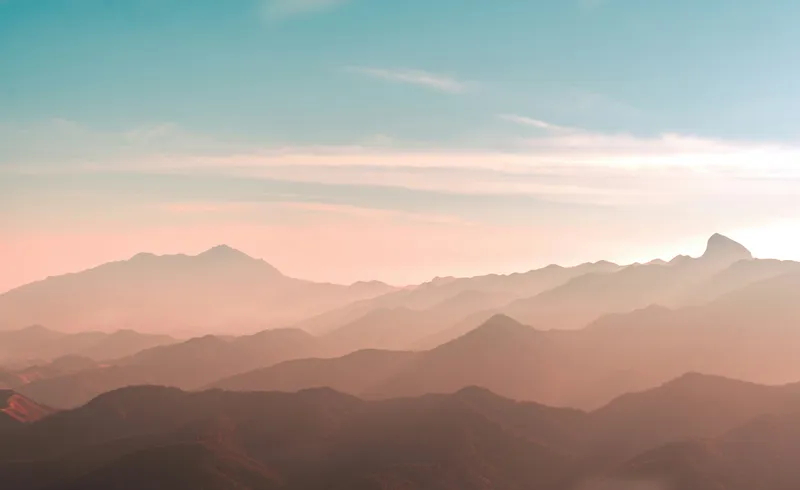
The best time to shoot mountains is during the golden hours —shortly after sunrise or before sunset. The soft, warm light during these times can dramatically enhance the textures and colors of the landscape. Here are some tips:
- Plan Your Shoot : Use apps like PhotoPills or The Photographer’s Ephemeris to find out when the sun will rise or set at your chosen location.
- Scout Locations : If possible, visit your shooting location beforehand to find the best vantage points and compositions.
3. Composition Techniques for Stunning Mountain Shots
Composition can make or break your mountain photographs. Here are some techniques to consider:
- Rule of Thirds : Position the horizon along the top or bottom third of the frame. This helps create a balanced image that draws the viewer's eye.
- Leading Lines : Utilize natural lines in the landscape, such as trails or rivers, to guide the viewer's eye into the scene.
- Foreground Interest : Include elements in the foreground, like rocks or trees, to add depth to your photos and create a sense of scale.
4. Master Your Settings
Understanding your camera settings is vital for achieving the best results in mountainphotography. Here are some key settings to focus on:
- Aperture : Use a smaller aperture (higher f-stop number) for greater depth of field, ensuring both the foreground and background are in focus.
- Shutter Speed : For landscapes, a slower shutter speed may be required, especially during low light conditions. Use your tripod to avoid camera shake.
- ISO : Keep your ISO as low as possible to reduce noise, but don't be afraid to raise it slightly if you're shooting in dim conditions.
5. Post-Processing Tips
After capturing those stunning mountain shots, it’s time to enhance them using post-processing software like Adobe Lightroom or Photoshop:
- Adjust Contrast and Brightness : Fine-tune these settings to make your mountains pop.
- Color Correction : Enhance the colors to reflect the true beauty of the landscape.
- Crop and Straighten : Make sure your horizons are level and that your composition is as strong as possible.
Conclusion
With these outdoor tips , you’ll be well-equipped to capture the breathtaking beauty of mountains. Remember, mountainphotography is not just about the gear you use but also about the creativity and patience you bring to the adventure. So grab your camera, hit the trails, and don’t forget to enjoy the view! ! Happy shooting!
Related articles
Mastering Landscape Photography: Tips for Capturing Dusk and Dawn
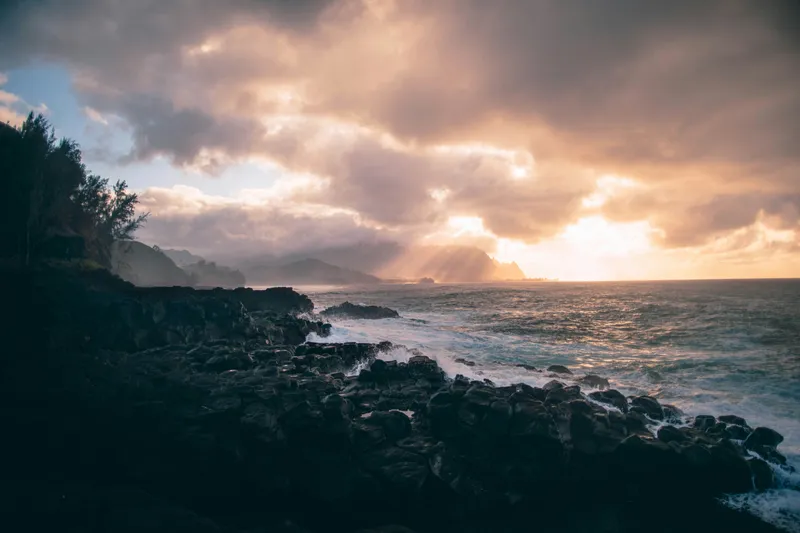
Landscape photography is a captivating genre that allows photographers to immerse themselves in nature and convey the beauty of the world around them. Capturing stunning images during sunset and sunrise can elevate your work to new heights. The magical hours of dusk and dawn offer unparalleled opportunities to showcase the vibrant colors of the sky, such as a breathtaking red sky that can infuse your images with emotion and drama. Here are some essential photography tips to help you master…
Capturing the Beauty of Alpine Mountains: A Photographer's Guide
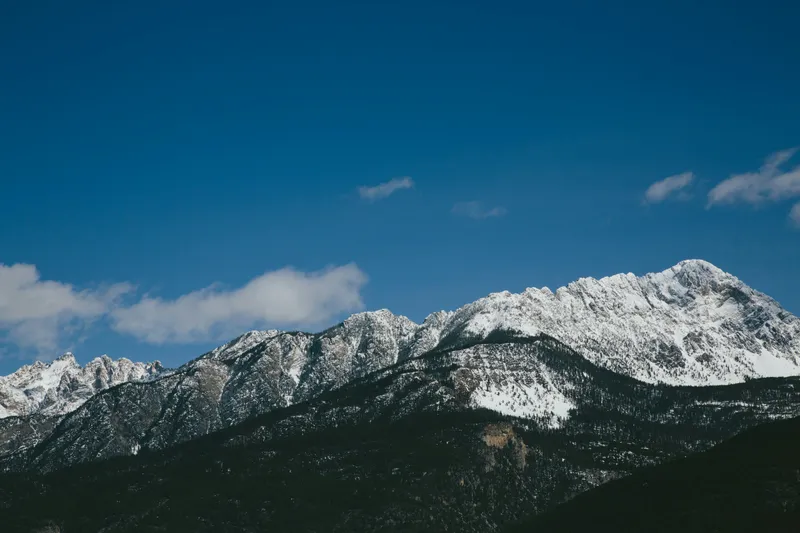
The Alpine mountains offer some of the most breathtaking vistas for photographers and videographers alike. From rugged peaks to serene valleys, the beauty found in these landscapes is unparalleled. In this guide, we will explore essential camera equipment , techniques, and tips to enhance your mountainphotography and videography.
Capturing Nature: Tips for Photographing Mountain Landscapes
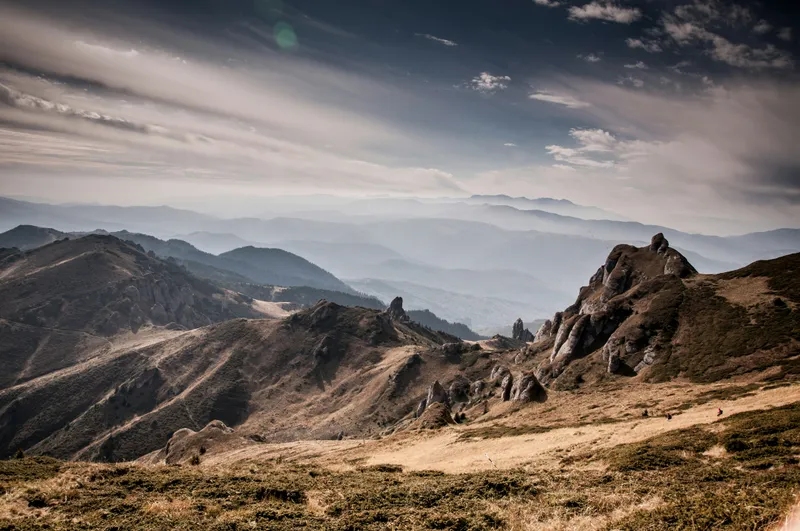
Mountain landscapes offer some of the most breathtaking nature photography opportunities, but capturing their majesty requires a blend of the right techniques, equipment, and an understanding of the environment. Whether you're an experienced photographer or just starting, these photography tips will help you create stunning images of mountains that will leave viewers in awe.