Capturing the Perfect Twilight Shot: Tips for Landscape Photography
Capturing the Perfect Twilight Shot: Tips for Landscape Photography
Twilight photography is a magical endeavor that allows photographers to capture the stunning transition of light as day shifts into night. This period, known as the golden hour and the blue hour, offers unique opportunities for creating breathtaking landscape images. In this article, we will explore essential landscape tips and camera settings that will help you achieve stunning twilight shots, especially in captivating environments like the desert.
Understanding Twilight Photography
Twilight photography refers to taking pictures during the twilight hours, which occur just after sunset or just before sunrise. The sky is painted with hues of blue, purple, and pink, providing a perfect backdrop for any landscape. This is the time when light is soft, shadows are elongated, and the colors in the scenery become more pronounced. Here are a few key moments:
- Civil Twilight : The time when the sun is just below the horizon, and the brightest stars start to appear.
- Nautical Twilight : When the horizon is still visible at sea, and the brightest stars are visible in the sky.
- Astronomical Twilight : The time when the sky is dark enough for astronomers to observe celestial objects.
Essential Tips for Twilight Landscape Photography
1. Plan Ahead
Before heading out, check the sunset and twilight times for your location. Use apps like PhotoPills or Sun Surveyor to plan your shoot. Knowing when the best light will occur is crucial for capturing stunning desert photography or any landscape.
2. Use a Tripod
Stability is key in twilight photography due to the lower light conditions. A sturdy tripod will prevent camera shake and allow for longer exposures without blurring your images. This is particularly important for landscape shots where precision is essential.
3. Adjust YourCamera Settings
Proper camera settings are vital for capturing the beauty of twilight. Here’s a quick guide:
- Aperture : Use a wide aperture (f/2.8 to f/4) for a shallow depth of field or a narrower aperture (f/8 to f/16) for a deeper focus, depending on your subject.
- ISO : Start with a low ISO (100-200) to reduce noise. If the light is too low, gradually increase the ISO.
- Shutter Speed : Use slower shutter speeds to allow more light in. A good starting point is around 1/60 seconds, but adjust based on the scene and your desired effect.
4. Experiment with Composition
In desert photography , the landscape can be vast and open. Use leading lines, the rule of thirds, and natural frames to create dynamic compositions. Look for interesting foreground elements, like cacti or rocks, to add depth to your images.
5. Capture Reflections
If you’re photographing in desert areas with water bodies, such as lakes or puddles, take advantage of reflections during twilight. Position your camera to capture the landscape mirrored in the water, enhancing the composition and colors.
6. Post-Processing
Post-processing can elevate your twilight shots. Use software like Adobe Lightroom or Photoshop to enhance colors, adjust exposure, and sharpen details. Be careful not to overdo it; maintaining the natural beauty of twilight is key.
Sunset Tips for Capturing Twilight Photos
- Arrive Early : Set up your gear well before sunset to catch the changing light.
- Shoot in RAW : This format retains more detail, allowing for greater flexibility in post-processing.
- Use Filters : Consider using a graduated neutral density filter to balance the exposure between the sky and the landscape.
Conclusion
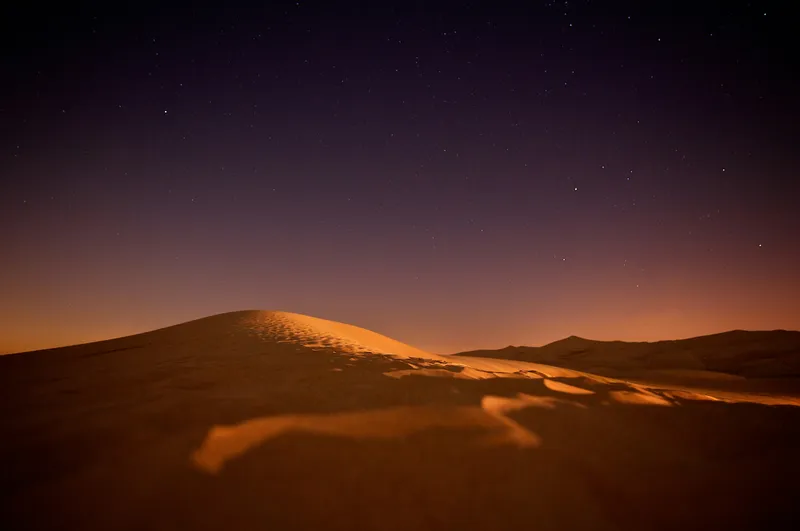
Capturing the perfect twilight shot requires preparation, understanding of camera settings , and a creative eye. By following these landscape tips , you can enhance your twilight photography skills and create stunning images that showcase the beauty of the transition from day to night, especially in awe-inspiring settings like the desert. So grab your gear, find your perfect spot, and let the magic of twilight inspire your next great shot! Article Photo Description : A stunning desert landscape photography shot taken during twilight, showcasing vibrant colors in the sky and captivating shadows on the sandy dunes.
Related articles
Capturing the Perfect Sunset: Tips for Beach Photography
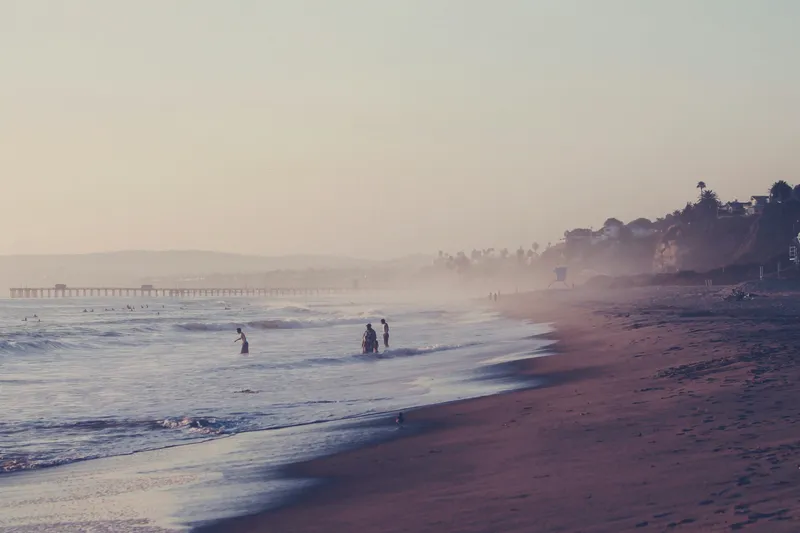
When it comes to beach photography , few sights are as breathtaking as a vibrant sunset over the ocean. The interplay of colors, the reflection on the water, and the silhouettes of people standing on the sea shore all create stunning visuals that any photographer would love to capture. In this article, we’ll share essential sunset tips for achieving those perfect shots, focusing on the gear you need and the techniques that will elevate your landscape photography.
Capturing the Beauty of Dry Desolation: A Guide to Desert Landscape Photography
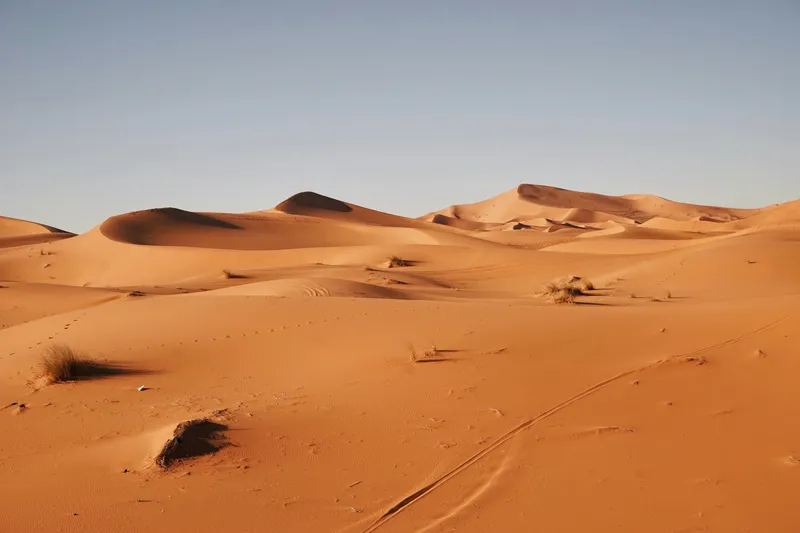
Desert landscapes offer a unique and breathtaking canvas for photographers. From the rolling dunes to the rugged mountains, desert photography allows you to capture nature's raw beauty in its most desolate form. In this guide, we will explore essential outdoor photography tips , effective photography techniques , and the equipment you need to make the most of your desert photography experience.
Capturing the Beauty of Namibia's Desert Landscapes
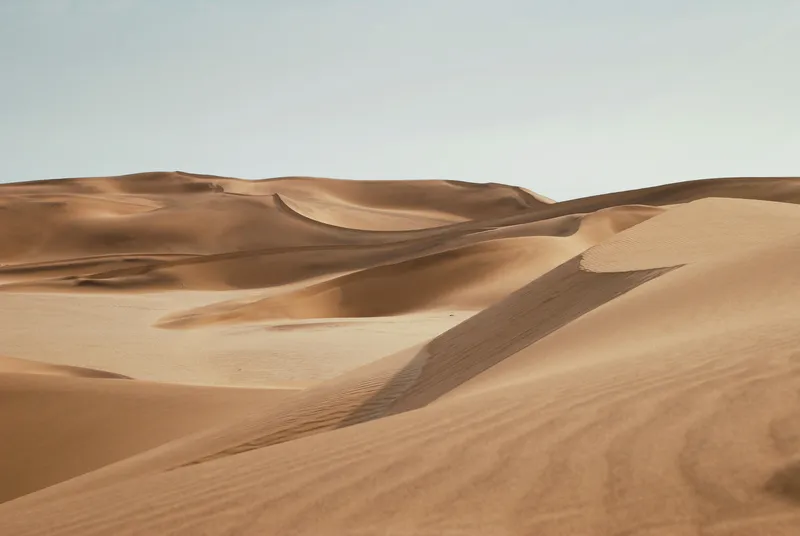
Namibia is home to some of the most stunning desert landscapes in the world, making it a paradise for photographers and videographers alike. From the towering dunes of Sossusvlei to the stark beauty of the Namib Desert, capturing the essence of this breathtaking environment requires a combination of the right photography tips and effective videography techniques. In this article, we will explore how to make the most of your equipment while showcasing the incredible beauty of Namibia landscapes.