Capturing the Perfect Sunrise: Tips for Landscape Photography
Capturing the Perfect Sunrise: Tips for Landscape Photography
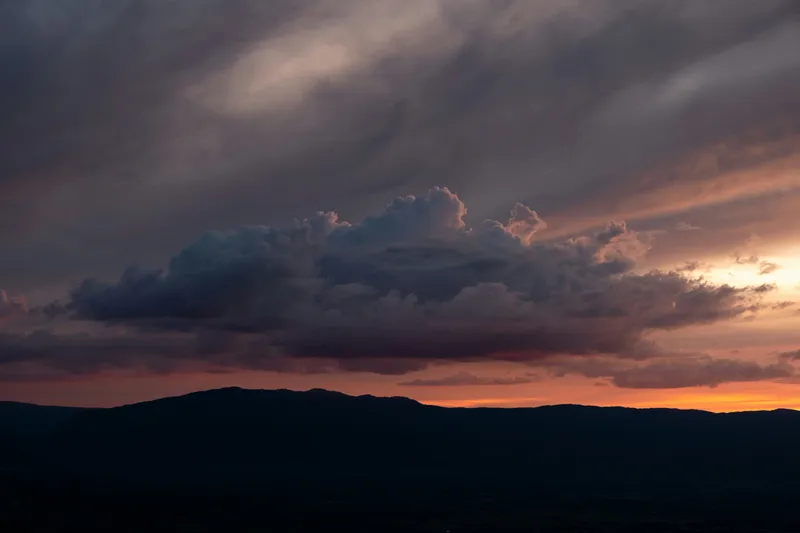
Sunrise photography is a magical experience that every landscape photographer should embrace. The soft, golden hues of the early morning light can transform a mundane scene into a breathtaking masterpiece. In this article, we'll explore essential camera tips and techniques to ensure you capture stunning sunrise landscapes, particularly when photographing iconic silhouettes like Le Salève.
Understanding the Magic of Sunrise Light
The hour just before and after sunrise is often referred to as the 'golden hour.' This is when the sunlight is soft and diffused, creating ideal conditions for landscape photography. The warm colors enhance the texture and depth of your subjects while minimizing harsh contrasts.
Why Choose Sunrise for Landscape Photography?
- Unique Lighting: The gentle light at sunrise creates a captivating atmosphere.
- Less Crowds: Early risers get the benefit of fewer people in popular spots, allowing for uninterrupted shots.
- Dynamic Skies: Sunrises can produce stunning gradients in the sky, from deep blues to vibrant oranges and pinks.
Essential Camera Tips for Sunrise Photography
To maximize your chances of capturing the perfect sunrise, consider these camera tips :
1. Plan Ahead
Before you head out, research the location and check the weather forecast. Websites and apps can help you determine the exact time of sunrise and the best spots for viewing. For example, if you plan to shoot Le Salève , make sure you arrive at least 30 minutes early to set up your gear and find the perfect angle.
2. Use a Tripod
A sturdy tripod is essential for landscape photography, especially in low-light conditions. It prevents camera shake and allows for longer exposure times if necessary. This is particularly useful for capturing stunning silhouettes against the colorful sky.
3. Experiment with Silhouettes
Silhouettes can add a dramatic effect to your sunrise shots. Position your camera to capture subjects in front of the rising sun, like the peaks of Le Salève. This technique emphasizes the shape and form of the subject while showcasing the beautiful sky in the background.
4. Adjust Your Camera Settings
- Aperture: A smaller aperture (higher f-stop number) will give you a greater depth of field, ensuring that both foreground and background are sharp.
- ISO: Keep your ISO low (around 100-200) to maintain image quality and reduce noise.
- Shutter Speed: Use a slower shutter speed to allow more light in, but be mindful of camera shake if you’re not using a tripod.
5. Bracketing for Better Exposure
Sunrises can create challenging lighting situations. Consider using exposure bracketing, taking multiple shots at different exposures, which you can later blend in post-processing for an optimal final image.
6. Utilize Filters
ND (Neutral Density) filters can help you manage the exposure of bright areas in your shot, balancing the overall light across your image. Gradual ND filters are particularly effective for landscapes, allowing the sky to remain vibrant without overexposing the foreground.
Post-Processing Tips
Once you've captured your sunrise images, some post-processing can enhance their beauty:
- Adjust Contrast: Boosting contrast can make the colors pop and add depth to your photograph.
- Color Correction: Fine-tune the white balance to ensure the colors reflect the enchanting hues of the sunrise.
- Sharpening: Apply a bit of sharpening to enhance the details, especially if you captured a silhouette shot of Le Salève.
Conclusion
Capturing the perfect sunrise requires a mix of planning, technique, and a little bit of luck. With these camera tips and a passion for landscape photography , you'll be well on your way to creating stunning images that capture the beauty of the early morning light. So set your alarms, grab your gear, and get ready to chase the dawn!
Related articles
Capturing the Magic of Transitions: Photography Tips for Dawn and Dusk
Photography during dawn and dusk offers photographers a unique opportunity to capture stunning scenery that is often overlooked. These transitional times of day, known as the golden hours , provide soft, diffused light that can enhance your images and create captivating silhouettes. In this article, we’ll explore essential tips for capturing the beauty of light , flare , and the magical moments that occur during these times.
Capturing the Majesty of Adam's Peak: Tips for Nighttime Landscape Photography
Adam's Peak, also known as Sri Pada, is a stunning destination for photographers seeking to capture breathtaking views. The iconic mountain stands tall in Sri Lanka and is renowned for its unique shape and the sacred footprint at its summit. However, the real magic happens at night. In this article, we will explore essential photography tips for capturing the majestic beauty of Adam's Peak through nighttime photography.
Capturing the Perfect Sunrise and Sunset: Tips for Photographers
Sunrise and sunset are two of the most magical times of day for photographers. The soft golden light, vibrant colors, and unique atmospheric conditions create breathtaking opportunities for stunning landscape photography. Whether you are a seasoned pro or just starting, here are some essential photography tips to help you master sunrise photography and sunset techniques.