Capturing the Night Sky: Tips for Mountain Silhouette Photography
Capturing the Night Sky: Tips for Mountain Silhouette Photography
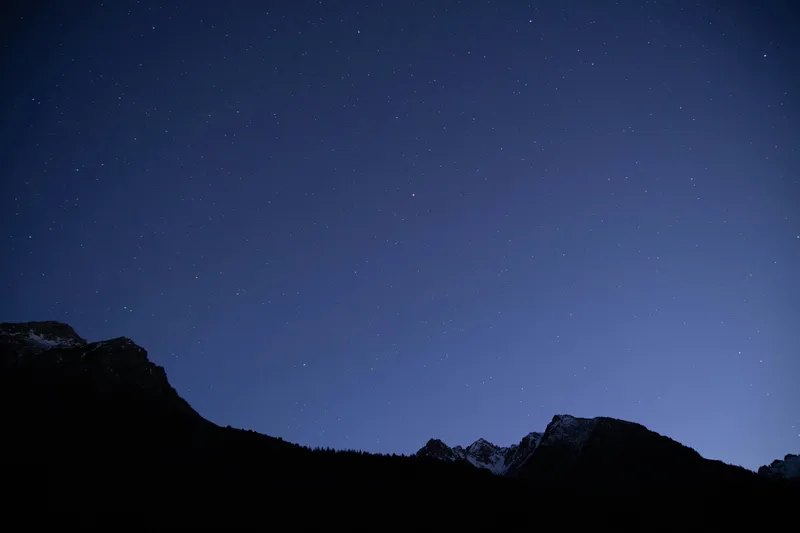
When it comes to silhouette photography , few scenes can rival the beauty of mountains against a starry night sky. The contrast between the darkened landscape and the twinkling stars creates stunning compositions that can leave viewers in awe. Whether you're a seasoned photographer or just starting out, this guide provides essential photography tips for capturing the breathtaking scenery of the wilderness at night.
Understanding Silhouette Photography
Silhouette photography involves capturing a subject in such a way that it appears dark against a brighter background. In the case of mountain silhouettes, the key is to shoot during twilight or night when the sky is lit by stars or the moon. This technique not only highlights the shape of the mountains but also adds a dreamy quality to your images.
Essential Equipment for Night Sky Photography
Before heading out to capture the night, ensure you have the right equipment:
- Camera: A DSLR or mirrorless camera with manual settings is ideal for low-light conditions.
- Tripod: A sturdy tripod is crucial to avoid any camera shake during long exposures.
- Lenses: Wide-angle lenses are great for capturing expansive night skies and include more of the mountainous landscape.
- Remote Shutter Release: This helps to eliminate any camera movement when taking your shot, especially during long exposures.
- Flashlight or Headlamp: Having a light source is essential for navigating in the dark while setting up your shots.
Best Time to Shoot
For the best results, plan your shoot around the nebula visibility and lunar phases. A clear night away from light pollution will provide stunning views of the night sky. The best times for silhouette photography are:
- Twilight: The time just after sunset when the sky is still illuminated but the mountains have turned dark.
- Moonlit Nights: When the moon is full, it can provide a natural light source while still allowing for star visibility.
- New Moon: Ideal for capturing the Milky Way and other celestial bodies without moonlight interference.
Composition Tips for Mountain Silhouette Photography
- Find a Focal Point: Look for interesting shapes or formations in the mountains that can act as focal points in your image.
- Use Leading Lines: Incorporate elements like paths, rivers, or trees to lead the viewer's eye towards the mountains.
- Incorporate the Sky: Leave enough space above the mountains in your frame to showcase the night sky and any celestial features.
- Experiment with Angles: Don't be afraid to change your perspective. Shooting from a low angle can create dramatic silhouettes.
Camera Settings for Night Sky Photography
Setting your camera correctly is crucial for capturing the right image:
- ISO: Start with an ISO of 800-1600, depending on the light conditions.
- Aperture: Use a wide aperture (f/2.8 to f/4) to allow as much light as possible to hit the sensor.
- Shutter Speed: Depending on the brightness of the stars and the scene, start with a shutter speed of 10-30 seconds. Longer exposures can create star trails.
Post-Processing Your Images
After capturing your images, use editing software to enhance the colors and contrast. Adjustments to brightness and clarity can make your silhouette photography pop. Consider adding a slight vignette to draw attention to the center of the photo where the mountains are.
Conclusion
Capturing the beauty of mountain silhouettes against a starry night sky is a rewarding experience that showcases the majesty of the wilderness. By following these photography tips , using the right equipment, and choosing the perfect time and composition, you can create stunning night sky photographs that will inspire others to appreciate the beauty of nature. Remember to take your time, experiment, and enjoy the serene beauty of the night. Happy shooting!
Related articles
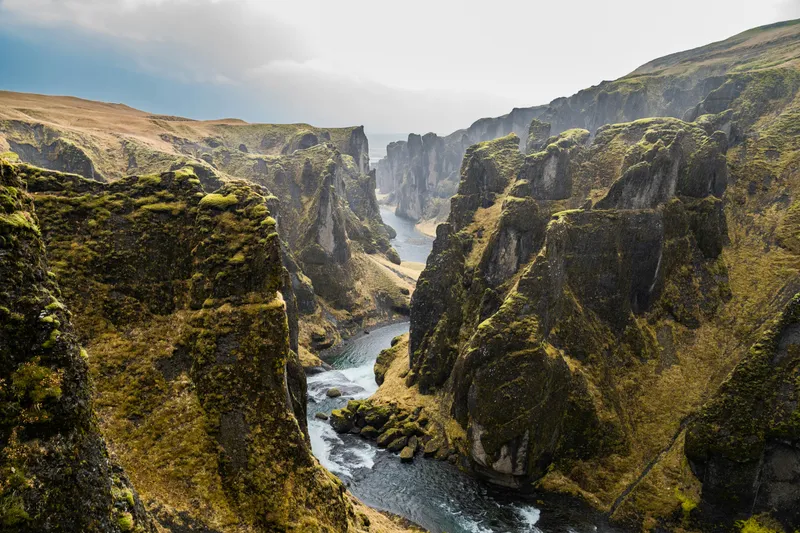
Capturing the Beauty of Iceland: Aerial Photography Tips for Stunning Landscapes
Iceland, known for its dramatic Iceland landscapes , is a photographer's paradise. With its stunning glaciers, towering cliffs, and vibrant waterfalls, the country offers endless opportunities for nature photography. If you're looking to elevate your photography game, aerial photography can provide a unique perspective that transforms the ordinary into the extraordinary. In this article, we’ll explore essential photography tips and the best camera equipment you need to capture the breathtaking…
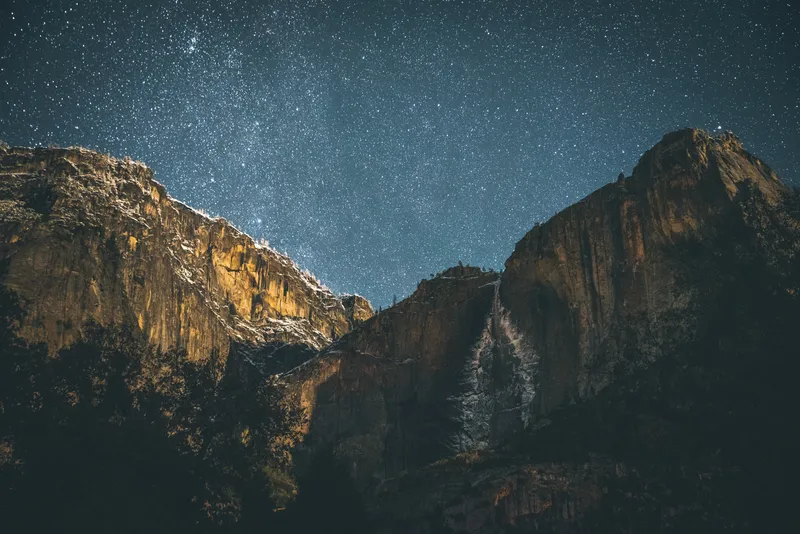
Capturing the Cosmos: Tips for Nighttime Landscape Photography
Night photography can be one of the most rewarding aspects of landscape photography, especially when you’re aiming to capture breathtaking views of the Milky Way and stunning nebulae. With the right camera gear and techniques, you can transform a simple nighttime scene into an awe-inspiring work of art. In this article, we’ll share essential photography tips to help you make the most of your nighttime shoots.
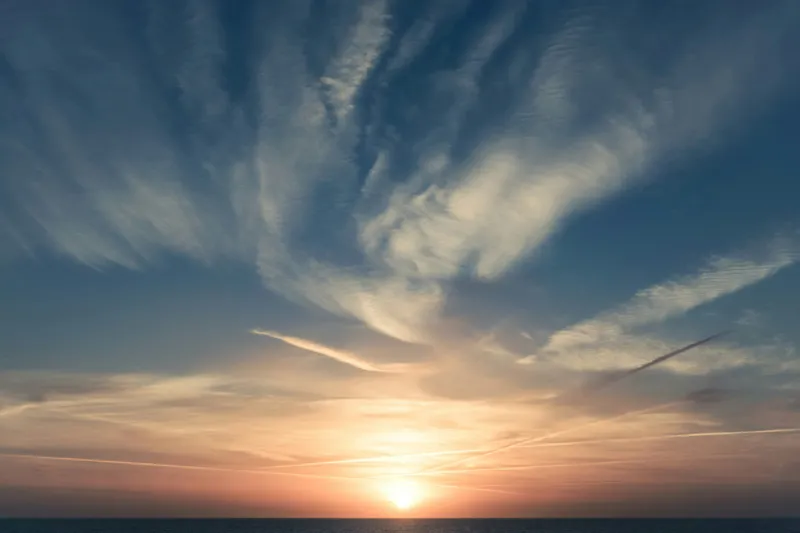
Capturing the Perfect Sunset: Tips for Golden Hour Photography
Thegolden hour is a photographer’s dream. This magical time, just after sunrise and just before sunset, bathes the landscape in a warm, soft light that enhances colors and adds depth to your photos. If you're looking to create stunning sunset images that capture the beauty of nature, here are some essential photography tips to make the most of this fleeting moment.
Explore these topics
- photography-tips(133)
- night-sky(10)
- silhouette-photography(6)
- scenery(5)
- nebula(3)