Capturing Nature: Tips for Night Photography in Outdoor Settings
Capturing Nature: Tips for Night Photography in Outdoor Settings
Night photography opens up a whole new world of outdoor photography possibilities, allowing you to capture stunning landscapes under the mesmerizing glow of the moonlight or the vastness of the Milky Way. In this article, we will dive into essential photography tips that will help you master the art of night photography in your outdoor adventures.
1. Choose the Right Location
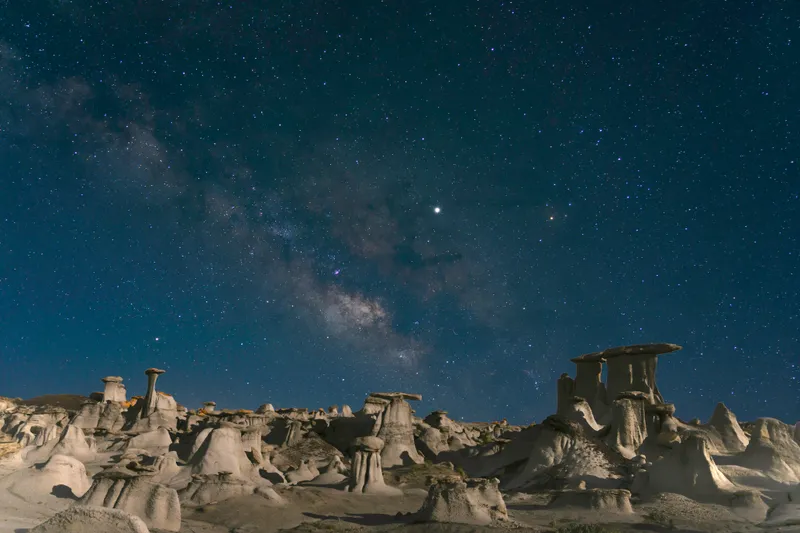
Selecting a suitable location is crucial for successful landscape photography at night. Look for areas with minimal light pollution, such as national parks or remote beaches. Sand mountain scenery, for instance, offers dramatic contrasts and textures that can be beautifully illuminated by moonlight, creating stunning compositions.
2. Gear Up with the Right Equipment
To excel in night photography , having the right photography and videography equipment is essential. Here’s what you should consider bringing along:
- Camera: A DSLR or mirrorless camera with manual controls is ideal.
- Tripod: A sturdy tripod is necessary for long exposures, keeping your camera stable to avoid blurriness.
- Lens: Fast lenses (with wide apertures) such as f/2.8 or wider are preferable for capturing as much light as possible.
- Remote Shutter Release: This will help eliminate camera shake when taking long exposures.
3. Master Your Camera Settings
Understanding your camera settings is key to capturing the beauty of the night sky. Here are some recommended settings:
- ISO: Start with an ISO of 1600 to 3200, depending on your camera's performance in low light.
- Aperture: Use the widest aperture (lowest f-number) available to let in more light.
- Shutter Speed: For Milky Way photography, start with a shutter speed of around 20-30 seconds to avoid star trails. Use the 500 rule (500 divided by your lens focal length) to determine the maximum exposure time.
4. Focus Carefully
Focusing in low light can be tricky. Use manual focus to avoid the autofocus system getting confused by low light. Focus on a bright star or a distant light and then switch the lens to manual focus to lock it in.
5. Utilize Moonlight
Moonlight can dramatically enhance your night photography, adding depth and dimension to your landscape shots. Plan your shoots around the lunar calendar, and capture scenes during the full moon for brighter images. The soft glow of moonlight can beautifully illuminate sand mountain scenery, making your photographs stand out.
6. Experiment with Long Exposures
Long exposure techniques can create stunning effects in night photography. Experiment with capturing light trails from cars, stars moving across the sky, or even creating silky smooth water effects. Just be sure to keep your camera steady on the tripod for the duration of the exposure.
7. Post-Processing
Post-processing is where you can really bring your images to life. Use software like Adobe Lightroom or Photoshop to adjust exposure, contrast, and color balance. Don’t be afraid to enhance the Milky Way or bring out the details in your landscape photography.
Conclusion
With the right techniques and equipment, night photography can open up a world of possibilities for outdoor photography enthusiasts. Embrace the beauty of the night and capture breathtaking images that highlight the wonders of nature. So grab your camera, head out into the wild under the stars, and let your creativity flow!
Photo Description
Sand mountain scenery captured under themoonlight, showcasing the ethereal beauty of night photography.
Related articles
Tips for Shooting Stunning Nighttime Landscapes: A Photographer's Guide
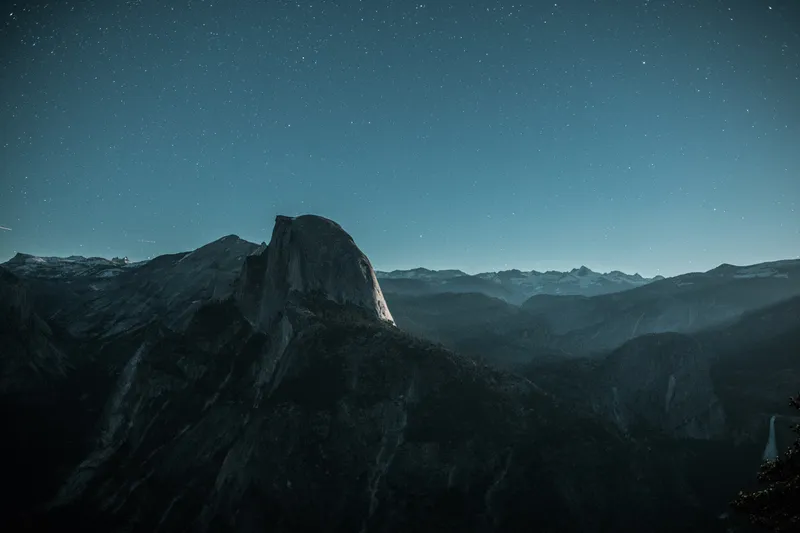
Capturing breathtaking nighttime landscapes can be one of the most rewarding experiences for photographers. With the right camera equipment and some essential photography tips , you can create stunning images that showcase the beauty of the night. In this guide, we will explore effective strategies to help you excel in night photography , particularly in landscape settings.
Capturing the Night Sky: Tips for Photographing Mountains Under the Milky Way
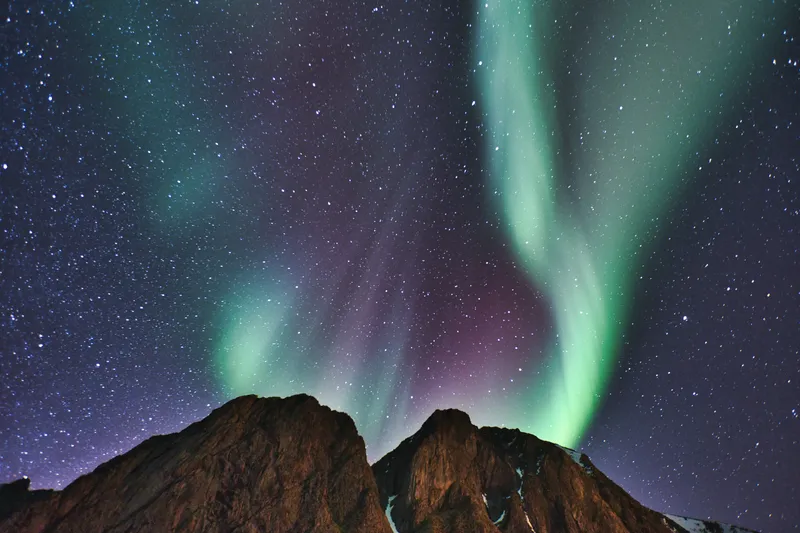
Photography enthusiasts often find themselves drawn to the allure of night photography. The ethereal beauty of the Milky Way against a backdrop of rugged mountain peaks creates an unforgettable scene that every photographer should strive to capture. In this article, we will explore essential tips and techniques for mountain photography at night, enabling you to create stunning images that showcase the wonders of outdoor photography.
Capturing the Night: Tips for Photographing the Milky Way and Lunar Events
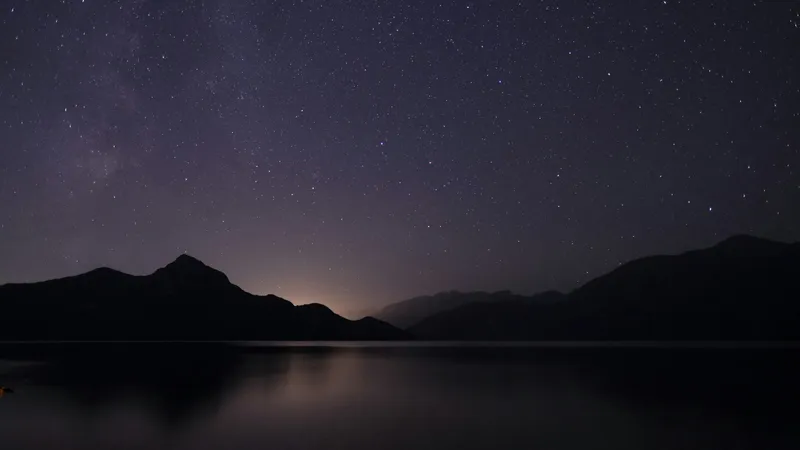
Photography at night can be both exhilarating and challenging. Whether you're aiming to capture the Milky Way or a stunning lunar eclipse , having the right photography tips and equipment is crucial for success. In this guide, we'll delve into essential techniques for night photography , ensuring you get breathtaking shots that showcase the beauty of the night sky.