Capturing the Magic of the Milky Way: Tips for Night Photography
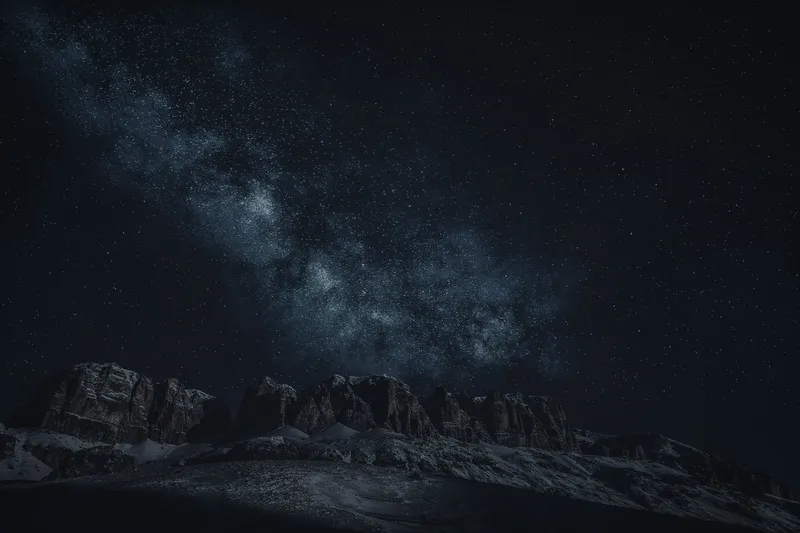
Capturing the Magic of the Milky Way : Tips for Night Photography
Photography enthusiasts and dreamers alike often gaze up at the starry sky , wondering how they can capture its beauty. The Milky Way , with its shimmering stars and cosmic dust, presents a breathtaking opportunity for photographers willing to brave the night. Here are some tips and essential equipment recommendations to help you capture the magic of the Milky Way.
1. Choose the Right Location
To photograph the Milky Way , finding the perfect spot is crucial. Look for locations away from city lights, such as a serene beach or a quiet shoreline. The less light pollution, the better your chances of capturing a vivid scene filled with stars. Brown mountains can also serve as a dramatic foreground for your shots, enhancing the depth and interest of your composition.
2. Plan for Timing
Timing is everything in night photography. The best time to shoot the Milky Way is during the new moon phase when the sky is darkest. Additionally, check astronomical calendars to know when the Milky Way will be visible in your area. The period between spring and fall typically offers clearer skies and less atmospheric disturbance, making it ideal for capturing stunning night shots.
3. Gear Up with the Right Equipment
Having the right photography equipment is essential for successful night photography. Here are some key items to consider:
- Camera: A DSLR or mirrorless camera with manual settings is ideal. Look for models that perform well in low light.
- Lens: A wide-angle lens with a large aperture (f/2.8 or wider) allows more light to enter the camera, capturing the intricate details of the nebula and stars.
- Tripod: A sturdy tripod is crucial for stabilizing your camera during long exposure shots. This will help prevent any blurriness caused by movement.
- Remote Shutter Release: Using a remote shutter release can minimize camera shake. Alternatively, use the self-timer function on your camera.
4. Settings for the Perfect Shot
Setting your camera correctly is vital for capturing the Milky Way. Here are some recommended settings to get you started:
- ISO: Start with an ISO of 1600 to 3200, adjusting as necessary based on the brightness of the sky.
- Aperture: Set your aperture to the widest setting (f/2.8 or lower) to maximize light capture.
- Shutter Speed: Keep your shutter speed between 15 to 30 seconds. Longer exposures can cause star trails, which may not be desirable unless that's the effect you're aiming for.
5. Focus on the Stars
Focusing in low-light conditions can be challenging. To achieve sharp focus on the stars:
- Switch your lens to manual focus.
- Use a bright star or a distant light to focus on. Zoom in on the live view of your camera to ensure the star is sharp before locking the focus.
6. Use Post-Processing to Enhance Your Images
Post-processing is an essential step in night photography. Software like Adobe Lightroom or Photoshop can help enhance colors, contrast, and clarity in your images. You can bring out the deep blues of the starry sky and the intricate details of the nebula that might not be visible straight out of the camera.
Conclusion
Capturing the Milky Way and a stunning starry sky is one of the most rewarding experiences for any photographer. With the right location, equipment, settings, and post-processing techniques, you can create breathtaking images that showcase the beauty of our universe. So grab your gear, head to a quiet beach or shoreline , and let the magic of the night inspire your photography! Happy shooting!
Related articles
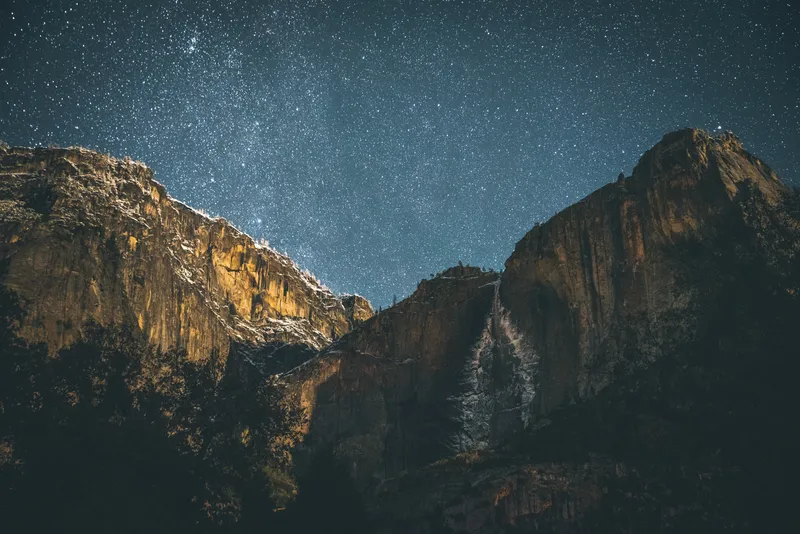
Capturing the Cosmos: Tips for Nighttime Landscape Photography
Night photography can be one of the most rewarding aspects of landscape photography, especially when you’re aiming to capture breathtaking views of the Milky Way and stunning nebulae. With the right camera gear and techniques, you can transform a simple nighttime scene into an awe-inspiring work of art. In this article, we’ll share essential photography tips to help you make the most of your nighttime shoots.
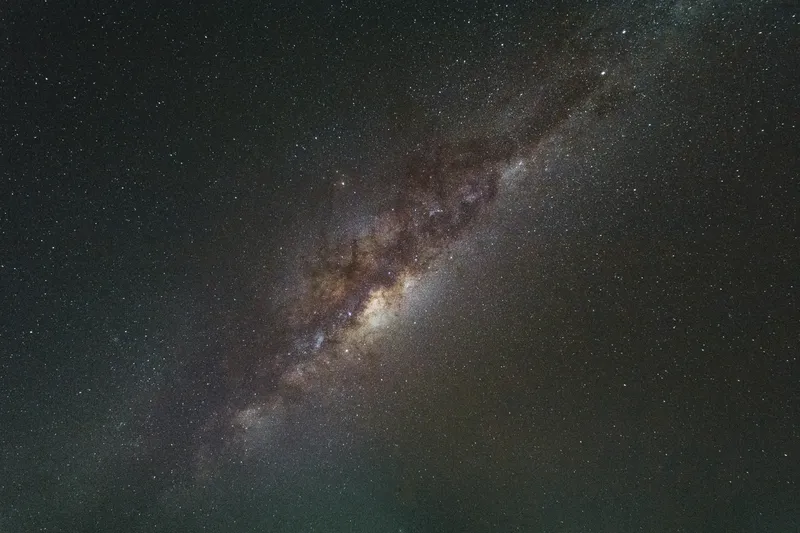
Top Cameras and Lenses for Stunning Starry Sky Shots
Capturing the beauty of the starry sky is a mesmerizing experience that many photographers strive to achieve. With the right photography equipment , you can immortalize the wonders of the night sky, including the breathtaking Milky Way. This article will guide you through the best camera lenses and cameras that are perfect for night photography , ensuring you get those stunning shots without any light flares ruining your image.

Capturing the Night Sky: Tips for Aerial Photography of the Full Moon
Aerial photography has become increasingly popular among photographers, especially when it comes to capturing stunning landscapes and cityscapes. One of the most captivating sights in the night sky is the full moon. Its luminous glow can transform any urban setting into a mesmerizing tableau. In this article, we’ll explore essential photography tips for capturing the night sky during a full moon, specifically focusing on city photography.
Explore these topics
- photography(38)
- milky-way(9)
- starry-sky(6)
- nebula(3)
- shoreline(3)