Capturing the Essence of Water: Techniques for Stunning Aquatic Photography
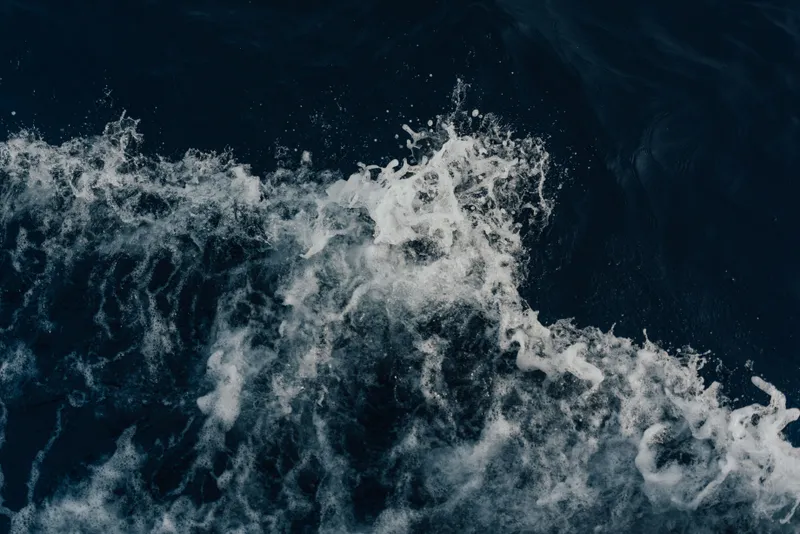
Capturing the Essence of Water: Techniques for Stunning Aquatic Photography
Water is one of nature's most beautiful and dynamic elements, making water photography a captivating niche in the world of nature photography. Whether you're shooting waves, droplets, or serene lakes, capturing the essence of water can be both challenging and rewarding. In this article, we will explore effective techniques, essential equipment , and practical photography tips that will help you master close up photography of aquatic scenes.
Understanding the Importance of Lighting
Lighting plays a crucial role in any type of photography, but it becomes even more significant when it comes to water photography. The interplay between light and water can create stunning reflections, refractions, and highlights. Here are some lighting tips to consider:
- Golden Hour Magic : Shooting during the golden hour (just after sunrise or before sunset) provides soft, warm light that enhances the beauty of water.
- Avoid Harsh Midday Sun : The harsh light of midday can create unwanted glare on the water’s surface. If you must shoot during this time, consider using a polarizing filter to cut down on reflections.
- Experiment with Backlighting : Positioning your subject with the light source behind it can create spectacular effects, illuminating droplets and creating a glowing effect.
Essential Equipment for Aquatic Photography
To truly excel in water photography , having the right equipment is key. Here’s a list of essential gear:
- Camera : A DSLR or mirrorless camera gives you the flexibility and control needed for different water photography settings.
- Lenses : A macro lens is ideal for close up photography , allowing you to capture intricate details of water droplets. A wide-angle lens can help capture expansive water scenes.
- Tripod : This is essential for stability, especially in low light conditions or when using slow shutter speeds.
- Waterproof Housing : If you venture into aquatic environments, consider investing in a waterproof housing for your camera to protect it from splashes and submersion.
- Filters : Polarizing and ND filters can significantly improve the quality of your shots by reducing glare and allowing for longer exposure times, respectively.
Techniques for Capturing Stunning Water Images
Here are some effective techniques to enhance your water photography :
1. Focus on Movement
Capturing movement is vital in water photography. Use a fast shutter speed to freeze the action of splashing water or a slow shutter speed to create a silky effect on flowing water. Experiment with different settings to find the right balance for your vision.
2. Get Close
Close up photography can reveal the beauty of water in ways that distant shots cannot. Move in closer to capture intricate details such as bubbles, ripples, or the texture of wet surfaces. A macro lens will allow you to focus on these tiny elements effectively.
3. Play with Angles
Changing your perspective can dramatically alter your composition. Try shooting from low angles to emphasize the water’s texture or reflections. Alternatively, a high vantage point can provide a broader view of the water’s expanse.
4. Use Reflections to Your Advantage
Water is a natural mirror. Look for scenes where the surface reflects the sky, trees, or other elements in the environment. Position yourself strategically to create interesting compositions that incorporate these reflections.
Conclusion
Water photography offers endless opportunities for creativity and expression. By understanding the importance of lighting, utilizing the right equipment , and applying effective photography tips , you can capture the stunning beauty of aquatic scenes. Remember to experiment with different techniques, and don’t be afraid to get your feet (or even your camera) a little wet! Now that you're equipped with these insights, it's time to grab your camera and dive into the world of nature photography. Happy shooting!
Related articles
Capturing Nature: Techniques for Photographing Water Droplets
Water droplets can transform an ordinary scene into an extraordinary one, adding an element of beauty and intrigue to your photographs. Whether you're a seasoned photographer or a beginner, understanding the right photography techniques for capturing water droplets can elevate your work to new heights. In this article, we will explore effective close-up photography techniques, discuss necessary equipment , and share tips for immortalizing the delicate beauty of nature.
Capturing Nature: Tips for Stunning Close-Up Photography of Flowers
Flower photography is a captivating genre that allows photographers to explore the intricate beauty of nature. When it comes to close-up photography , flowers provide an ideal subject, showcasing vibrant colors, delicate textures, and intricate details. In this article, we'll delve into essential camera tips and photography techniques to help you elevate your nature photography skills.
Capturing the Perfect Sunset: Tips for Aerial Photography
Sunsets have a magical quality that draws photographers to capture their beauty. When combined with aerial photography , the results can be breathtaking. Whether you're a seasoned pro or just starting out, here are some essential photography tips for ensuring you get the best possible shots during sunset.
Explore these topics
- photography-tips(133)
- nature-photography(42)
- equipment(15)
- close-up-photography(4)
- lighting(3)