Capturing the Beauty of Snowy Mountains: Best Photography Tips
Capturing the Beauty of Snowy Mountains: Best Photography Tips
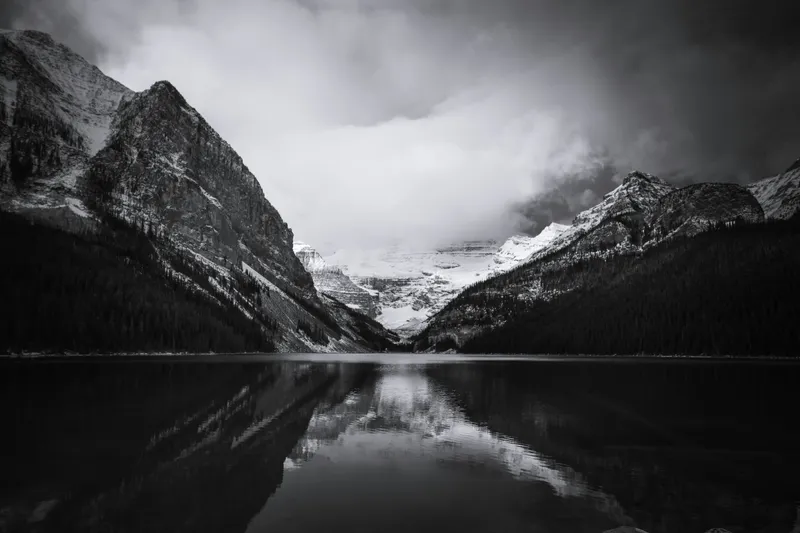
When it comes to landscape photography , few scenes are as breathtaking as the snowy mountains. The pristine white snow, the majestic peaks, and the contrast of blue skies create stunning visuals that every photographer dreams of capturing. If you're planning an outdoor photography adventure in these stunning terrains, here are some essential photography tips and recommendations on the right camera equipment to ensure you get the best shots.
1. Choose the Right Time of Day
Lighting plays a crucial role in photography. For outdoor photography in snowy mountains, early mornings or late afternoons provide the best natural light. The golden hour—just after sunrise or before sunset—casts a warm glow over the snow, enhancing textures and creating shadows that add depth to your images.
2. Use the Right Camera Settings
When shooting in bright white snow, it's essential to adjust your camera settings to avoid overexposure. Here are some tips:
- Manual Mode : Switch to manual mode to have complete control over your exposure settings.
- ISO : Keep your ISO low (100-200) to reduce noise in the bright environment.
- Aperture : Use a smaller aperture (f/8 to f/16) for greater depth of field, ensuring both the foreground and background are in focus.
- Shutter Speed : Depending on the scene, adjust your shutter speed. A faster speed (1/500 or more) is ideal for capturing movement, such as falling snow or wildlife.
3. Use a Polarizing Filter
A polarizing filter can be a game-changer in winter landscapes. It helps reduce glare from the snow and enhances the contrast between the whites of the snow and the blues of the sky. This tool is essential for achieving vibrant colors in your landscape photography.
4. Composition Techniques
When framing your shots, consider the following composition techniques:
- Rule of Thirds : Position key elements along the grid lines or at the intersections to create a balanced composition.
- Leading Lines : Use natural lines in the landscape, such as pathways or ridgelines, to lead the viewer’s eye into the photograph.
- Foreground Interest : Include elements in the foreground, like trees or rocks, to add depth and context to your images.
5. Don’t Forget the Details
While sweeping vistas are captivating, focusing on the details can also yield stunning results. Capture close-ups of snowflakes on branches, icicles, or animal tracks. These details tell a story about the winter environment and add variety to your portfolio.
6. Stay Warm and Protect Your Gear
Cold weather can be tough on both you and your camera equipment. Here are some tips to keep everything functioning:
- Battery Life : Cold temperatures can drain your camera's battery quickly. Carry extras and keep them warm in your pocket until needed.
- Weather Protection : Use weather-sealed camera bodies or protective covers for your gear to shield it from snow and moisture.
- Keep Moving : To stay warm, keep moving and take breaks in sheltered areas. This will help maintain your body heat and keep your mind sharp for capturing the perfect shot.
7. Post-Processing Tips
After your adventure, don’t forget about post-processing. Editing software like Adobe Lightroom or Photoshop can help you fine-tune your images. Here are some adjustments to consider:
- White Balance : Correct any color casts that can occur in snowy scenes.
- Clarity and Contrast : Increase clarity to enhance textures and contrast to make your snowy landscapes pop.
- Sharpening : Apply sharpening to bring out details in the mountains and the snow.
Conclusion
Capturing the beauty of snowy mountains requires preparation, the right camera equipment , and a keen eye for detail. By following these photography tips , you’ll be well on your way to creating stunning images that showcase the majestic beauty of winter landscapes. Remember, practice makes perfect; so get out there and start shooting!
Related articles
Capturing the Beauty of Snowy Mountain Ranges: Tips for Landscape Photography
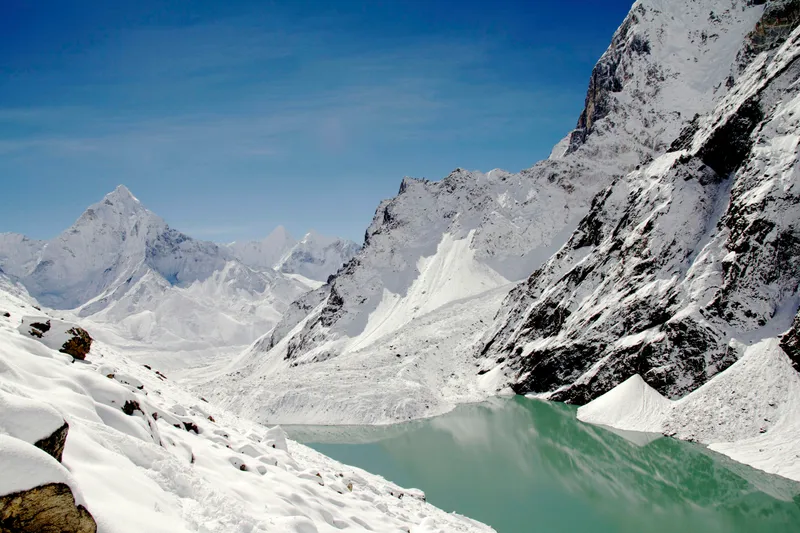
Photography enthusiasts often find themselves drawn to the breathtaking allure of snowy mountains. The majestic peaks, draped in a pristine blanket of snow, provide an ideal backdrop for stunning landscape photography. If you’re eager to elevate your photography skills and capture the grandeur of these natural wonders, here are some essential photography tips tailored specifically for shooting mountain ranges in snowy conditions.
Capturing the Beauty of Moraine Lake: Photography Tips for Outdoor Enthusiasts
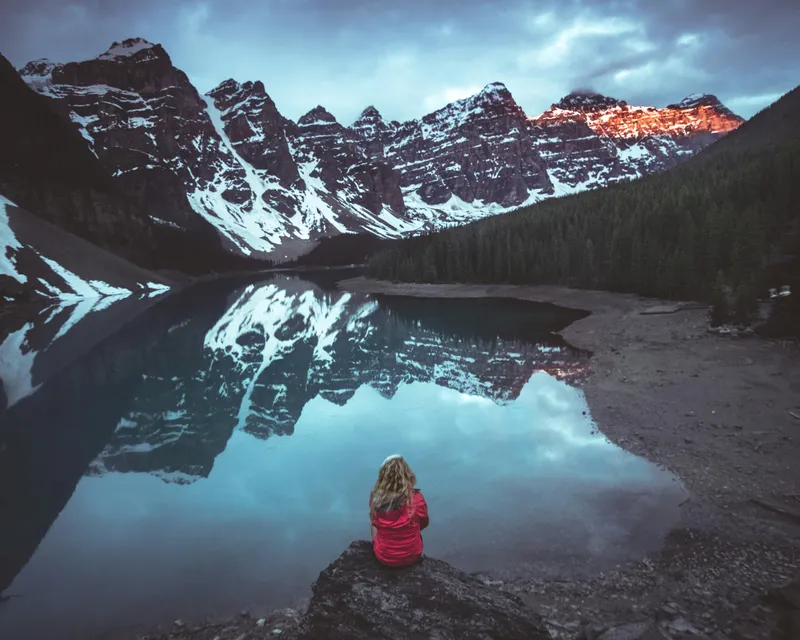
Moraine Lake, nestled in the stunning Banff National Park of Canada, is renowned for its mesmerizing turquoise waters and majestic mountain backdrop. For outdoor enthusiasts looking to capture this natural wonder, understanding the right photography tips and utilizing the right camera equipment is essential for achieving breathtaking shots. In this article, we’ll delve into effective strategies for landscape photography at Moraine Lake that will help you create stunning images to cherish.
Capturing the Wild: Tips for Outdoor Photography in Desert Landscapes
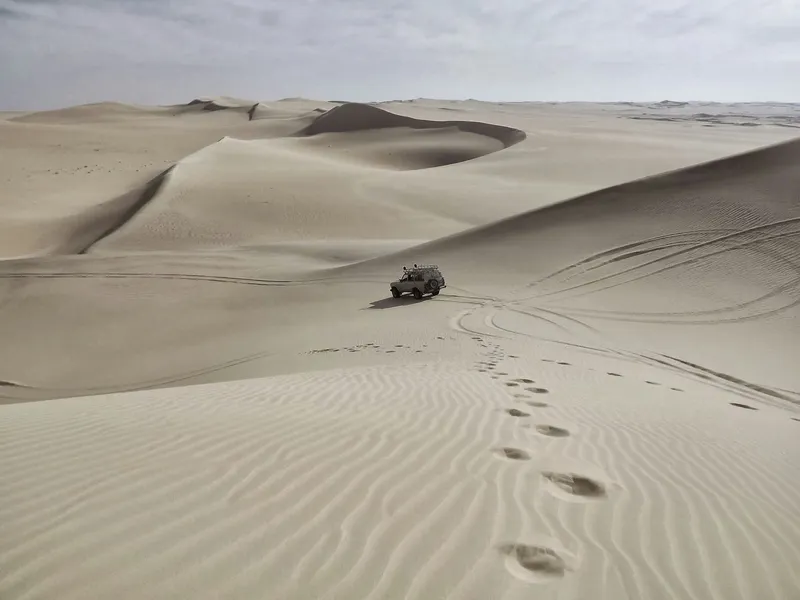
Desert landscapes offer a unique and breathtaking backdrop for outdoor photography. The vast expanses of sand, striking rock formations, and vibrant sunsets provide endless opportunities for stunning shots. However, photographing in such harsh environments requires a specific set of skills and the right camera equipment. Here are some essential photography tips to help you capture the beauty of desert landscapes.